

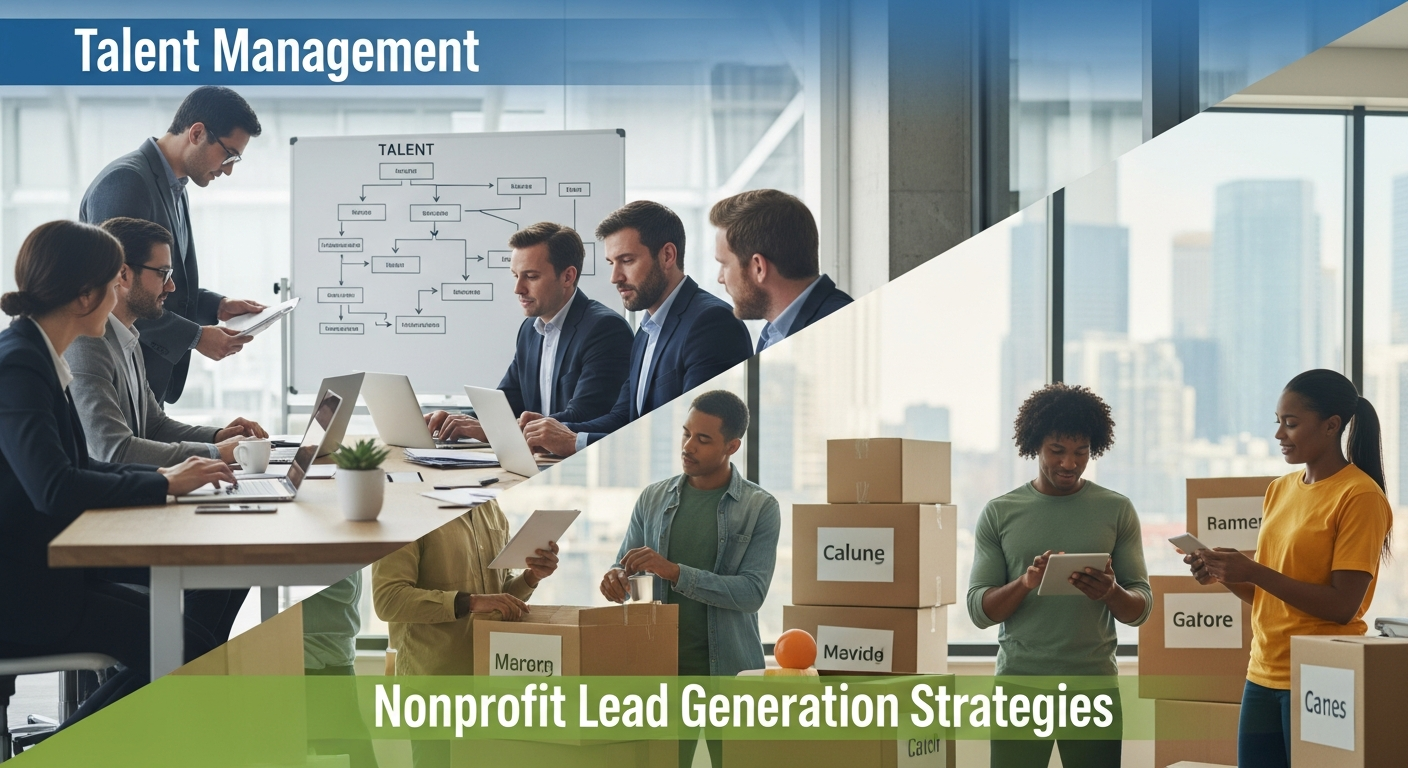
How Can the Super Normal Economy Affect Talent Management?
In the “service settlement” era, quality employees can no longer be found everywhere. In promoting the development of an enterprise, you can use talent as raw material gradually, but you cannot treat them entirely like basic parts.
Trends (Beyond Big Data) and Talent Management

Why Qualitative Interpretation and Quantitative Analysis?
Find all kinds of services to Cherry Creek stock’s purposes, and no surprise that tomorrow morning, the clean-up sell-off is so prevalent on announcements of the reclassification plan.
Characteristics to Look for in HR Talent Management Software
With the drastic changes taking place in the economy, the biggest problem for human resources is their task of talent management. To succeed at all levels, they have to recruit, develop, and retain enough able-bodied employees.
Have Talent Management Software? Three Must-Have Tributes
For the worldwide e-market, a sound management software application can help to create strategic goals and then work with your company’s information systems to achieve them. A system differs from stand-alone software.
Nonprofit Lead Generation Strategies
Offer Lead Magnets
A lead magnet is an asset or incentive given to new sign-ups in exchange for their contact details. It’s designed to spark interest and provide upfront value. Examples include:
-
Downloadable eBooks or whitepapers
-
Free webinars with guest speakers or experts
-
Discounts or goodies from your online store
Use Social Media Ads to Capture Leads
Platforms like Facebook, Instagram, and LinkedIn offer powerful targeting tools. Effective social media ads should show:
-
Impactful images and the human side of your mission
-
Clear value from your lead magnet
-
Strong calls to action (e.g., “Sign Up Now”)
Use A/B testing to refine your ads for better performance.
Host Virtual or On-Ground Events
Events can connect potential leads with your cause. Ideas include:
-
Community get-togethers
-
Fundraisers
-
Webinars with experts
Include a simple sign-up process and follow up afterwards.
Turning Leads into Donors

Aligning Talent Management with Lead Generation Strategies
Modern organizations must connect internal workforce planning with external Lead Generation Strategies. Talent pipelines and donor pipelines share similarities—both require attraction, nurturing, and retention. HR teams and marketing departments can collaborate to build stronger employer branding and outreach campaigns. When recruitment marketing aligns with lead nurturing tactics, organizations create consistent messaging across all touchpoints. This unified strategy strengthens credibility and engagement. By integrating talent management systems with CRM and marketing platforms, companies improve communication and data flow. Strategic alignment ensures long-term sustainability, whether managing employees or cultivating supporters.
Employer Value Proposition as a Lead Magnet
Just as nonprofits use downloadable guides to capture donor leads, businesses can use a strong Employer Value Proposition (EVP) to attract high-quality candidates. An EVP highlights growth opportunities, work culture, benefits, and purpose. Clear communication of these elements across career pages and social platforms acts as a powerful inbound Lead Generation Strategy. Potential employees evaluate organizations before applying, so transparency and authenticity are essential. A compelling EVP builds trust, increases applications, and reduces hiring friction.
Digital Transformation in HR and Marketing
Technology plays a central role in modern Lead Generation Strategies. Integrated HR software and marketing automation tools streamline recruitment and donor management processes. Automation handles repetitive tasks such as follow-ups, onboarding, and performance tracking. Data analytics provide insights into engagement trends and conversion rates. Digital dashboards allow decision-makers to track KPIs in real time. By embracing digital transformation, organizations improve efficiency and responsiveness. Technology bridges the gap between talent management and nonprofit fundraising.
Nurture Engagement with Email Campaigns
A strong email nurture sequence builds trust. Your emails should:
-
Welcome new subscribers and share your mission
-
Tell impact stories or case studies
-
Share updates and progress
-
Make tactful donation requests
Personalize emails to make supporters feel valued.
Successful Stories and Impact Share
Use transparency and storytelling to build trust:
-
Share real-life stories and videos of your impact
-
Use infographics to show how donations are used
Creating a Streamlined Donation Process
To prevent drop-offs, your donation process should:
-
Be user-friendly and mobile-optimized
-
Offer multiple payment options
-
Allow custom one-time or monthly contributions
Create a Sense of Involvement
Foster community and increase loyalty:
-
Start private donor groups on Facebook or Discord
-
Use branded hashtags for social sharing
-
Offer exclusive content to supporters
-
Publicly appreciate donors through social media or email
Key Performance Indicators of Successful Leads and Donors
Track and analyze these KPIs:
-
Conversion Rate: % of leads turning into donors
-
Average Donation: Typical donor contribution
-
Donor Retention Rate
-
Cost-Per-Lead
-
Engagement Rate: From emails and social ads
Use the insights to optimize your strategy continually.
Content Marketing as a Core Lead Generation Strategy
Content marketing remains one of the most effective Lead Generation Strategies. Blogs, whitepapers, webinars, and case studies educate audiences while building authority. For nonprofits, storytelling about impact strengthens donor trust. For enterprises, thought leadership attracts skilled professionals. High-value content nurtures prospects over time, guiding them through decision-making processes. SEO optimization enhances discoverability. When content consistently addresses audience pain points, it becomes a long-term growth engine.
Building Trust Through Transparency
Trust is the foundation of successful Lead Generation Strategies. Transparent communication about goals, impact, workplace culture, and financial accountability increases credibility. Nonprofits that openly share donation usage reports build stronger donor confidence. Companies that communicate career growth paths improve employee retention. Transparency reduces uncertainty and fosters loyalty. Consistent updates and clear messaging demonstrate accountability, encouraging long-term engagement.
Personalization in Lead Nurturing
Personalized communication significantly increases conversion rates. Email segmentation, behavior tracking, and CRM data allow organizations to tailor messages. Whether engaging job candidates or donors, personalization makes individuals feel valued. Automated email sequences can deliver relevant content based on user actions. Personalized Lead Generation Strategies create meaningful experiences that drive loyalty and trust.
Social Media as a Lead Capture Engine
Social media platforms are powerful tools for executing Lead Generation Strategies. Through targeted ads, organic posts, and community engagement, organizations attract and capture qualified leads. Interactive content such as polls, live sessions, and Q&A builds stronger relationships. Social platforms also amplify content marketing efforts. Consistency and authenticity drive long-term engagement.
Data-Driven Decision Making
Effective Lead Generation Strategies rely on accurate data. Organizations must analyze conversion rates, engagement metrics, and retention patterns. Combining qualitative feedback with quantitative analysis improves decision-making accuracy. Predictive analytics can identify trends and optimize campaigns. Data-driven insights reduce guesswork and improve ROI.
Retention-Focused Strategies for Sustainable Growth
Acquiring leads is only the beginning. Long-term success depends on retention. For businesses, employee engagement programs strengthen loyalty. For nonprofits, recurring donation programs build stable funding streams. Retention-focused Lead Generation Strategies reduce acquisition costs and increase lifetime value.
Innovation and Adaptability in Competitive Markets
Markets constantly evolve. Organizations must continuously refine their Lead Generation Strategies to remain competitive. Experimentation, A/B testing, and market research reveal new opportunities. Innovative thinking ensures adaptability during economic uncertainty. Continuous improvement strengthens resilience and long-term success.
How to Become a Leader in Lead Generation and Nonprofit Creation

Consistent effort, empathy, and innovation fuel the journey from leads to lifetime donors. When you:
- Prioritize your audience
- Reinforce marketing platforms
- Prove your impact
You create a loyal supporter base. Start with building a strong community, and let the suggestions above guide your mission-forward marketing.
Conclusion
In today’s dynamic economic landscape, organizations must combine strong talent management practices with innovative Lead Generation Strategies. Whether recruiting skilled employees or converting nonprofit supporters, sustainable growth depends on attraction, engagement, and retention. By leveraging technology, personalization, transparency, and data-driven insights, organizations can build resilient systems that thrive despite uncertainty. Effective Lead Generation Strategies not only generate short-term conversions but also create long-term relationships that fuel continuous success.
1. What are Lead Generation Strategies?
Lead Generation Strategies are structured marketing methods designed to attract, capture, and nurture potential customers, donors, or employees. These strategies use content, digital platforms, and engagement tactics to guide prospects through a journey that ultimately leads to conversion and long-term relationships.
2. Why are Lead Generation Strategies important?
Lead Generation Strategies ensure a steady flow of qualified prospects into your pipeline. They reduce dependency on unpredictable revenue sources and help organizations plan sustainable growth. With consistent lead generation, businesses and nonprofits can improve forecasting, scalability, and long-term financial stability.
3. How do nonprofits use Lead Generation Strategies?
Nonprofits apply Lead Generation Strategies through educational content, community events, social media campaigns, and email marketing. These approaches attract potential supporters, build trust, and nurture relationships. Over time, engaged leads are more likely to become donors and long-term advocates.
4. Can Lead Generation Strategies help with recruitment?
Yes, recruitment marketing functions as a type of Lead Generation Strategy. Employer branding, career content, and targeted job campaigns attract qualified candidates. By nurturing candidate relationships, organizations create strong talent pipelines and reduce hiring gaps or turnover risks.
5. What is a lead magnet?
A lead magnet is a high-value resource offered in exchange for contact details. Examples include eBooks, webinars, templates, or exclusive reports. Effective lead magnets provide immediate value and serve as entry points within broader Lead Generation Strategies.
6. How does personalization improve conversions?
Personalization enhances Lead Generation Strategies by delivering relevant messages based on user behavior and preferences. Tailored emails, customized offers, and segmented campaigns make prospects feel understood, increasing trust, engagement, and the likelihood of conversion.
7. What KPIs measure lead generation success?
Key performance indicators for Lead Generation Strategies include conversion rate, cost-per-lead, customer acquisition cost, retention rate, engagement rate, and return on investment. Tracking these metrics helps organizations evaluate performance and continuously optimize their strategies.
8. Are social media ads effective for lead generation?
When properly targeted and optimized, social media ads can significantly enhance Lead Generation Strategies. Platforms allow precise audience segmentation, compelling visuals, and strong calls to action that capture high-quality leads efficiently and cost-effectively.
9. How can organizations reduce lead drop-offs?
Organizations can reduce drop-offs by simplifying forms, optimizing websites for mobile users, and offering clear calls to action. Streamlined user experiences are essential components of successful Lead Generation Strategies and directly improve conversion rates.
10. What role does data play in lead generation?
Data is essential in refining Lead Generation Strategies. Analytics reveal audience behavior, campaign effectiveness, and conversion patterns. By analyzing these insights, organizations can adjust targeting, messaging, and budget allocation for improved performance.
11. Why is retention important in lead generation?
Retention strengthens Lead Generation Strategies by maximizing lifetime value. Keeping customers or donors engaged reduces acquisition costs and increases profitability. Long-term relationships generate recurring revenue and create brand advocates who attract additional leads.
12. How often should Lead Generation Strategies be updated?
Lead Generation Strategies should be reviewed regularly, ideally quarterly or biannually. Market trends, audience behavior, and analytics insights change over time. Continuous optimization ensures campaigns remain relevant, competitive, and aligned with organizational goals.



Leave a Reply