

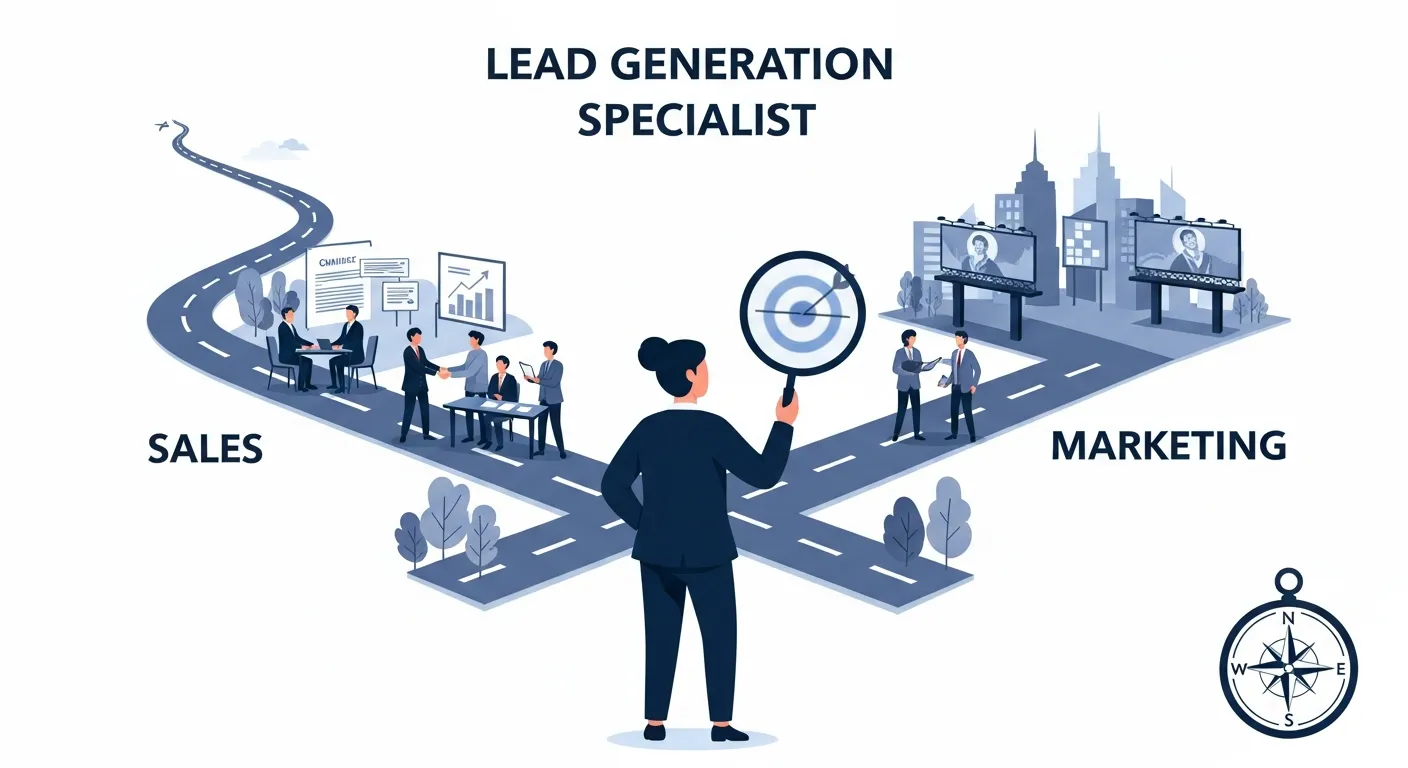
Lead generation works best when sales and marketing align. Marketing drives awareness, sales closes deals, and tools like CRM, automation, and NFT marketing enhance efficiency, conversion rates, and long-term business growth.
Lead generation is a principal driver of business growth, but there is great confusion about who should do it. Should it be in the sales camp or under marketing’s roof? This post takes a view that leads to the conclusion that lead generation is a marketing responsibility after all.
For companies that seek clarification, this blog unpacks the difference between lead generation and both sales and marketing, and how working together brings success.
By the end of this post, you will know:
- The definitions of lead generation, sales, and marketing
- How lead generation crosses over into marketing and sales
- The main benefits of connecting your sales and marketing efforts with a clear direction
What is Lead Generation?
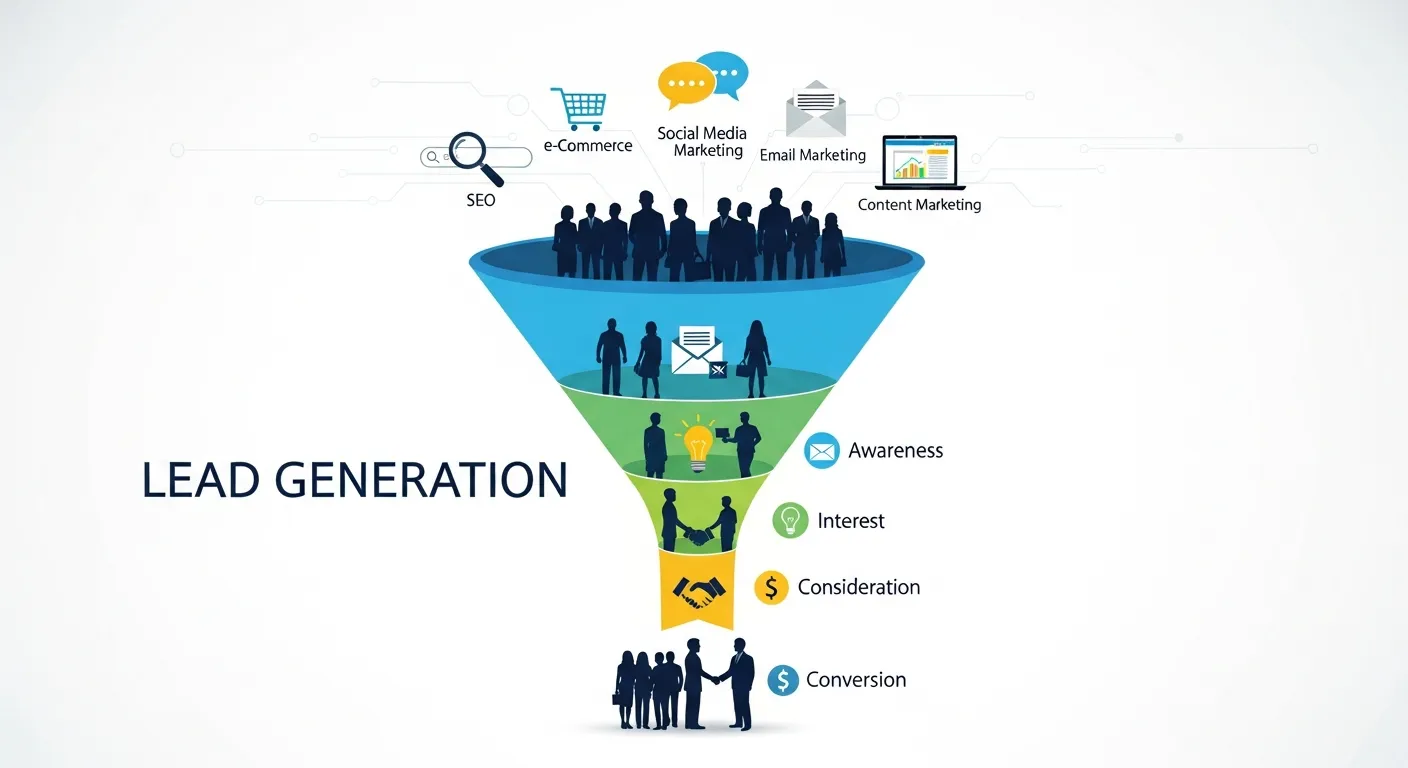
Lead generation is the process of attracting and converting strangers and prospects into someone who has indicated interest in your company’s product or service. These leads can be divided into two broad types:
- Marketing-Qualified Leads (MQLs): Leads that show interest in your product or offering, but are not yet ready to buy.
- Sales-Qualified Leads (SQLs): Prospects vetted and deemed suitable for direct engagement by sales staff.
Whether aligned with sales or marketing, the goal of lead generation is to build a pool of potential buyers and guide them to make a purchase. That is, the answer depends on whether major responsibility for generating these leads should fall to marketing or whether it should be within the sales department. This rests on each function’s role and how they work together. learn more about Lead Generation.
Role Distinction Between Sales and Marketing
To address whether lead generation attaches more to the world of sales or marketing, you must first understand what each one focuses on and how this influences lead generation.
Marketing’s Role
Marketing teams work to create awareness and stimulate interest on a broad scale. Their main tools include content marketing, email campaigns, SEO, social media, and paid advertising.
In lead generation, marketing serves to:
- Grab attention: Pull inbound traffic to landing pages and articles.
- Educate potential clients: Provide value-laden resources that highlight your solutions in terms of precise pain points.
- Capture leads: Use forms, gated content, or free trials to gather contact details from those who have shown an interest.
Marketing creates the basis for lead generation, for example, by sourcing MQLs from strategic digital campaigns.
Sales’ Role
The sales team concentrates on converting leads into customers in individual meetings with prospects. Salespeople rely on tactics like direct outreach, product demos, and nurturing activities to do this.
- Qualify leads: Appraise whether a prospect is ready to move ahead in the buying process.
- Nurture relationships: Offer individual messages that address unique pain points or concerns.
- Close deals: Finalize the sale and build long-lasting relationships with customers.
Sales ensures the MQLs passed by marketing actually convert into SQLs, which then move through the sales funnel.
The Sales/Marketing Overlap in Lead Generation
Lead generation doesn’t fit neatly into either department. Rather, it flourishes like a hand-in-glove partnership linking the two.
Joint Responsibilities:
-
Identifying Customer Personas: Both teams need to share a deep understanding of the ideal customer, their pain points, and purchasing behaviours.
-
Defining the Lead Qualification Process: Agreement on what makes an MQL and what constitutes an SQL prevents confusion and saves effort.
-
Employing Technology for Alignment and Tracking: CRM platforms provide shared visibility. Marketing can track campaign performance, and sales can follow lead progression for transparency.
How Marketing Leads with Time-Worn Techniques — But Sales is Really Active
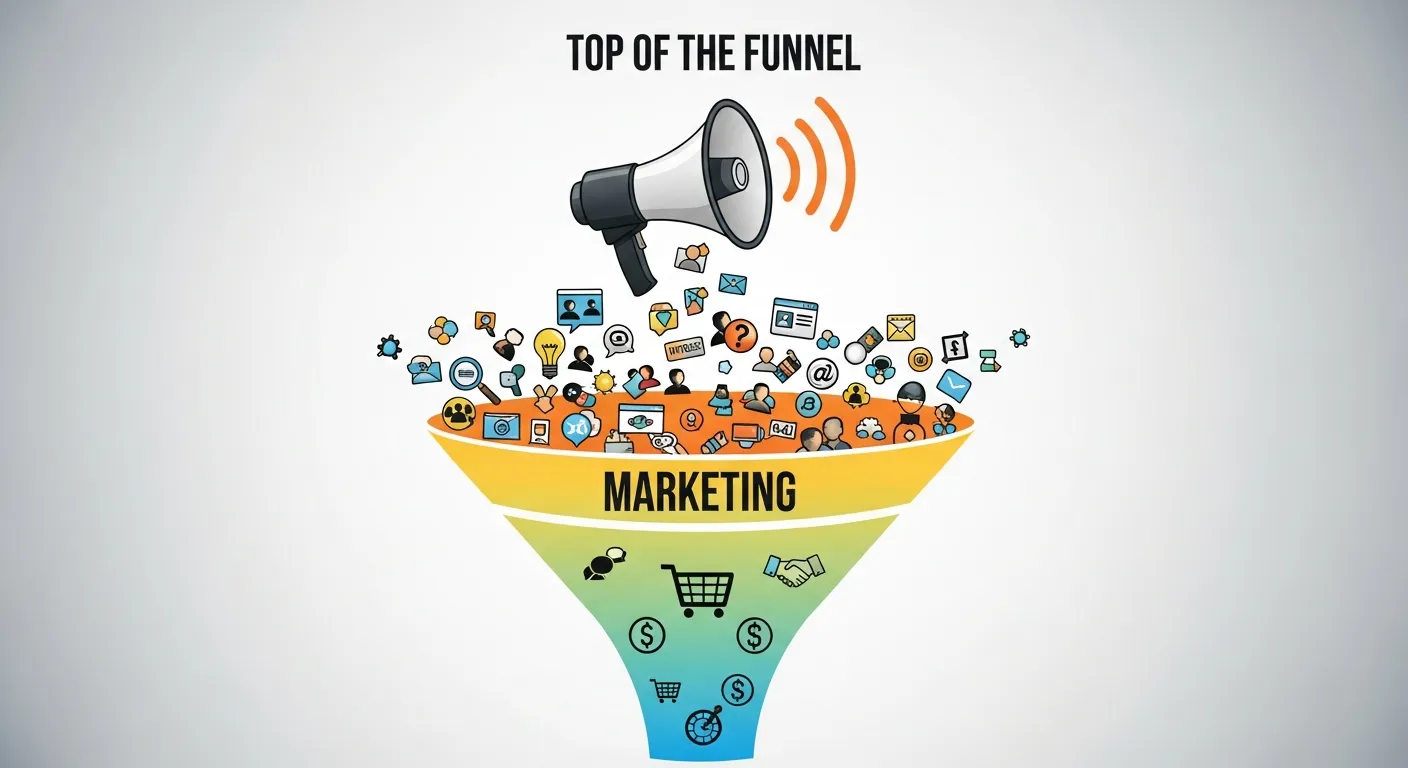
Marketing often works at the top of the funnel, ensuring customer data is captured correctly. Qualified leads are then forwarded to the sales team for direct interaction.
When it comes to successful lead generation, each party must step up. If both marketing and sales aren’t pulling their weight, the whole funnel suffers.
Why Sales and Marketing Must Be in Sync for Lead Generation to Succeed
There’s an ongoing debate over whether lead generation should be under sales or marketing. But that argument sidesteps one crucial truth: the quality of leads and conversion rates go up as soon as both teams are in sync.
Nicer Quality Leads
With marketing and sales working hand-in-hand, they can refine the process of defining and qualifying leads.
Transparent Transmission of the Client Dividend
By uniting forces, one tone of message is spoken from the lead’s entry into the buyer’s journey through to the final sale.
Sales teams provide real-time feedback on lead quality and prospect behaviour. This helps marketing adjust campaigns. According to MarketingProfs, businesses with well-aligned sales and marketing functions achieve a 38% higher win rate for sales.
Steps to Take in Aligning Sales and Marketing for Lead Generation
To effect a fruitful confluence of sales and marketing, it’s necessary to plan strategically and agree ona process.
Action Points:
- Joint Goals Set Out Together: Set mutual targets such as conversion rates or SQL production.
- Clear Transitions: Ensure a seamless flow from MQL to SQL, and from marketing to sales.
- Executive-Level Involvement: Leaders must understand both perspectives to drive success.
- Structured Training: Sessions for marketers and salespeople can boost cohesion. Tools like Adobe Connect help with remote delivery.
- Technology Adoption: Use CRM software and marketing automation tools to improve efficiency.
- Track and Measure: Leverage CRM systems to track everything digitally — no more manual calculations.
Case Insight
To get leads for buying equipment, I’m executing a direct marketing campaign to baseball stadiums. Flyovers publicize the Panama Canal as a strategic entry point for Far Eastern manufacturers. The increase in customer profit size is a testament to our high-touch strategy. Detailed client feedback confirms the approach’s effectiveness.
Why Marketing Owns the Top of the Funnel
Marketing naturally owns early-stage lead generation because it controls brand visibility and inbound traffic strategies. Through blog posts, email campaigns, webinars, and downloadable guides, marketing captures contact information and generates Marketing-Qualified Leads (MQLs). These activities require strategic messaging, audience research, and digital campaign optimization. Since marketing manages data tracking and audience segmentation, it is best positioned to nurture leads until they demonstrate readiness for sales outreach. Assigning top-of-funnel ownership to marketing allows sales teams to focus on closing rather than prospect hunting, improving overall efficiency and conversion rates.
Sales’ Role in Converting Qualified Leads
 While marketing generates interest, sales transform that interest into revenue. Sales teams evaluate lead readiness, conduct discovery calls, deliver product demonstrations, and negotiate contracts. They convert MQLs into Sales-Qualified Leads (SQLs) through direct interaction and relationship-building. Sales professionals provide real-time feedback about objections, competitor comparisons, and buyer concerns. This feedback loop strengthens marketing campaigns and messaging. Clear role separation prevents overlap and confusion. When sales focus on high-intent prospects rather than cold outreach, productivity increases and customer acquisition costs decrease significantly.
The Importance of a Clear MQL and SQL Definition
One of the biggest obstacles in lead generation is disagreement over lead quality. Marketing may believe they are delivering strong leads, while sales may consider them unready. Establishing clear definitions for MQLs and SQLs eliminates friction. Criteria can include website behaviour, email engagement, company size, budget, and intent signals. A scoring system helps automate qualification and ensure transparency. When both departments agree on definitions, handovers become smoother. Alignment around lead quality improves trust, boosts morale, and enhances revenue performance across the organization.
Technology as the Bridge Between Teams
Customer Relationship Management (CRM) platforms and marketing automation tools bridge the gap between sales and marketing. These systems track user behavior, automate follow-ups, and provide shared dashboards. Marketing can monitor campaign performance, while sales tracks deal progression in real time. Integration ensures no lead is lost or mishandled. Automated workflows also reduce manual errors and save time. Companies leveraging advanced analytics gain deeper insights into buyer journeys. Technology fosters transparency and accountability, strengthening collaboration between both departments.
The Financial Impact of Sales and Marketing Alignment
When sales and marketing collaborate effectively, measurable financial benefits follow. Studies consistently show higher conversion rates and increased revenue growth in aligned organizations. Clear communication reduces lead wastage and shortens the sales cycle. Marketing can refine targeting based on sales feedback, while sales benefit from better-prepared prospects. Alignment improves forecasting accuracy and resource allocation. Companies that treat lead generation as a shared responsibility rather than a departmental competition experience sustainable business growth.
Content Marketing as a Lead Generation Engine
Content marketing is one of the most powerful lead generation tools under marketing’s control. Blog posts, whitepapers, webinars, and case studies educate prospects and build authority. Gated content strategies capture contact details, turning website visitors into leads. High-quality content also supports SEO, driving long-term organic traffic. When sales uses marketing content during outreach, it reinforces credibility. Content acts as a silent salesperson, nurturing prospects even before direct interaction occurs.
Data-Driven Lead Scoring for Smarter Decisions
Lead scoring assigns values to user behaviours such as downloads, page visits, or demo requests. This system helps prioritize high-intent leads and allocate resources efficiently. Marketing automation tools track engagement patterns, while sales focuses on leads with higher scores. Data-driven decisions reduce guesswork and improve conversion probability. Regularly updating scoring criteria ensures alignment with evolving buyer behaviour. A structured scoring model increases efficiency and boosts ROI across campaigns.
NFT Marketing in Lead Generation Strategies
NFT marketing introduces innovative lead generation opportunities. Brands can offer exclusive digital collectables, event access passes, or gated community memberships through NFTs. These digital assets attract tech-savvy audiences and encourage email sign-ups or account registrations. Marketing promotes NFT campaigns to generate interest, while sales nurtures high-value prospects emerging from these communities. NFTs can also serve as loyalty rewards or proof of participation in premium events. However, brands must ensure transparency and use environmentally responsible blockchain networks. When integrated thoughtfully, NFT marketing enhances brand differentiation and drives high-quality leads.
Measuring Lead Generation Performance
Effective lead generation requires continuous measurement. Key metrics include cost per lead (CPL), conversion rates, customer acquisition cost (CAC), and lifetime value (LTV). Marketing tracks traffic sources and campaign ROI, while sales monitors close rates and deal velocity. Shared reporting dashboards ensure transparency. Consistent performance reviews allow teams to optimize strategies. Measurement transforms lead generation from guesswork into predictable revenue growth.
Creating a Feedback Loop for Continuous Improvement
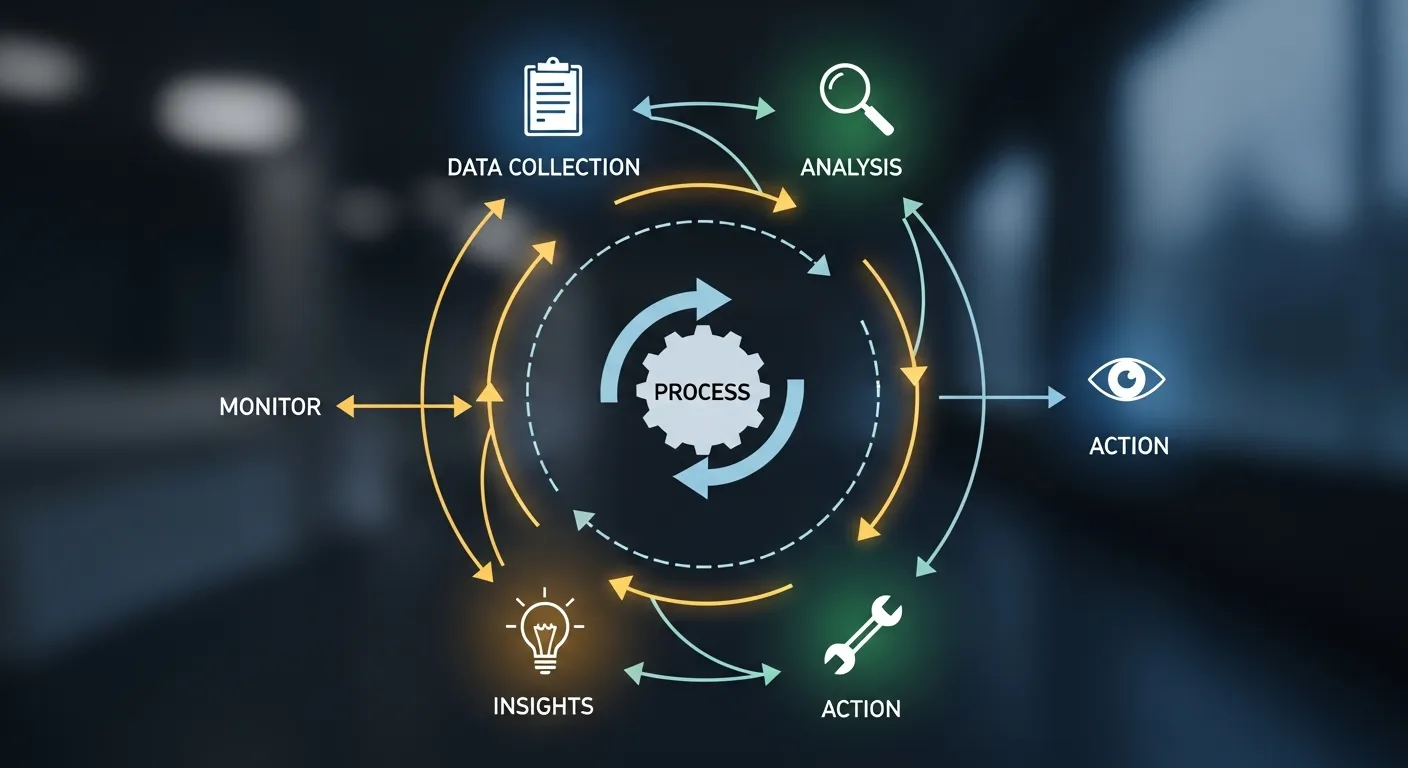 Regular communication between sales and marketing strengthens collaboration. Weekly meetings to review lead quality, campaign outcomes, and sales objections foster alignment. Sales insights help marketing refine messaging, targeting, and content strategy. In return, marketing provides updated resources and support materials. A structured feedback loop prevents recurring mistakes and improves overall efficiency. Continuous improvement ensures the lead generation process evolves with market conditions.
Conclusion
Lead generation should not be confined strictly to sales or marketing. Instead, it thrives through collaboration. Marketing drives awareness and nurtures interest, while sales converts qualified prospects into customers. Clear definitions, aligned goals, technology integration, and innovative strategies like NFT marketing strengthen results. Businesses that eliminate departmental silos and embrace shared responsibility see higher conversion rates, improved ROI, and sustainable growth.
Frequently Asked Questions (FAQs)
1. Is lead generation primarily a marketing function?
Lead generation typically starts with marketing, as teams create awareness through campaigns, content, SEO, paid ads, and digital strategies before passing qualified prospects to sales for deeper engagement and conversion.
2. Can sales generate leads independently?
Yes, sales teams can generate leads through outbound prospecting, networking, referrals, and direct outreach, but marketing significantly strengthens and scales inbound lead flow.
3. What is the difference between MQL and SQL?
Marketing Qualified Leads (MQLs) show interest and engagement, while Sales Qualified Leads (SQLs) are vetted prospects ready for direct sales conversations and potential closing.
4. Who should define qualification criteria?
Both sales and marketing should collaboratively define qualification standards to ensure alignment, consistency, and improved conversion performance.
5. Why is alignment between teams important?
Strong alignment improves lead quality, boosts conversion rates, reduces friction, and drives predictable, sustainable revenue growth.
6. What happens if teams are misaligned?
Misalignment leads to lower conversions, wasted budget, poor communication, missed revenue opportunities, and internal operational inefficiencies.
7. What tools support effective lead generation?
CRM systems, marketing automation platforms, email tools, analytics dashboards, and AI-driven tracking systems help streamline lead capture, nurturing, and reporting.
8. What is lead scoring?
Lead scoring ranks prospects based on engagement behaviour, demographics, and buying signals to prioritize high-intent leads.
9. How does content marketing support lead generation?
Content marketing educates prospects, builds trust, attracts organic traffic, and captures contact details through gated resources like ebooks, webinars, and whitepapers.
10. What role does NFT marketing play in lead generation?
NFT marketing creates innovative engagement opportunities, exclusive digital incentives, and unique lead magnets that attract tech-savvy and community-driven audiences.
11. How do you measure lead generation ROI?
ROI is measured by tracking Cost Per Lead (CPL), Customer Acquisition Cost (CAC), conversion rates, pipeline velocity, and customer lifetime value.
12. Does automation replace sales teams?
No, automation improves efficiency and nurturing processes, but human sales professionals remain essential for relationship-building and closing deals.



Leave a Reply