

AI chatbots streamline lead generation by engaging visitors instantly, qualifying prospects, and guiding them through personalized conversational funnels. Integrated with CRM and analytics, they capture data, boost conversions, and optimize sales processes while providing 24/7 support and measurable ROI.
In today’s fast-paced digital world, capturing and nurturing leads quickly can make or break your sales pipeline. AI chatbots have emerged as powerful tools to automate lead generation, qualify prospects, and guide them through custom conversational funnels.
Why Use AI Chatbots for Lead Generation?
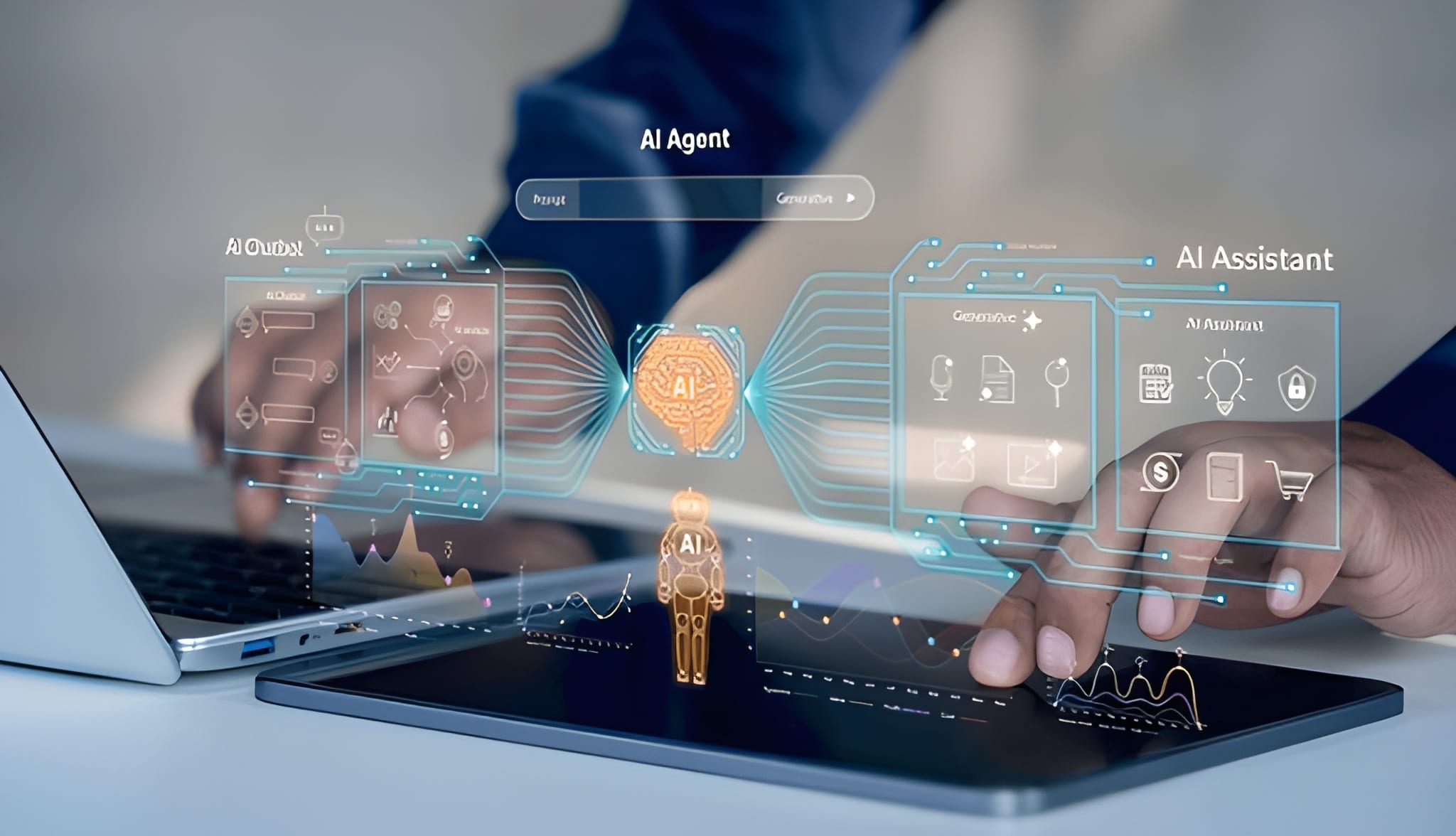
AI chatbots bring 24/7 availability, instant responses, and personalized interactions at scale. Here are the top benefits:
Instant Engagement: Chatbots greet visitors the moment they land on your site, reducing bounce rates. By initiating conversations proactively, they capture attention immediately, provide helpful guidance, and create a positive first impression that encourages visitors to explore further.
Lead Qualification: By asking targeted questions, chatbots can segment leads into MQLs (Marketing Qualified Leads) or SQLs (Sales Qualified Leads). This automated qualification process ensures that only high-potential prospects are routed to sales teams, saving time and improving pipeline efficiency.
Personalization: Advanced AI analyzes user behavior and tailors the conversation accordingly. By tracking browsing patterns, past interactions, and engagement signals, chatbots can recommend relevant products, content, or services, creating a customized experience that increases the likelihood of conversion.
Cost Efficiency: Automating preliminary conversations reduces support overhead and frees sales teams to focus on high-value tasks. Companies can handle a large volume of inquiries without additional staffing, lowering operational costs while maintaining responsiveness and quality engagement.
Data Collection: Every interaction yields insights into user needs and pain points, improving your marketing strategy. Chatbots capture structured and unstructured data, such as preferences, common questions, and objections, which can inform content creation, product development, and targeted campaigns for more effective overall marketing outcomes.
This combination of continuous availability, smart qualification, personalized engagement, cost savings, and actionable data makes AI chatbots an indispensable tool for modern lead generation and customer experience optimization. Learn more about Interactive Lead Generation
Understanding Conversational Funnels
A conversational funnel is a dynamic series of chatbot-led interactions crafted to guide prospects efficiently through each stage of the buyer’s journey. Unlike traditional funnels that rely on static landing pages, forms, or email campaigns, conversational funnels use real-time dialogue to create personalized, engaging experiences. These interactions can:
-
Greet and Qualify Visitors: Welcome users immediately and assess their needs or fit through targeted questions.
-
Provide Instant Answers to Common Queries: Resolve concerns quickly, enhancing the user experience and reducing bounce rates.
-
Collect Contact Information Seamlessly: Capture essential lead data without interrupting the conversation flow.
-
Schedule Demos or Appointments: Allow prospects to book meetings directly within the chat interface, streamlining the conversion process.
-
Offer Targeted Resources: Deliver relevant content such as whitepapers, videos, or case studies to educate and nurture leads effectively.
By combining personalization, immediacy, and automation, conversational funnels increase engagement, improve lead quality, and shorten the time it takes to move prospects from awareness to decision.
Step 1: Define Your Lead Generation Goals
Before building your chatbot funnel, clarify what success looks like. Common lead generation goals include:
- Increase MQLs by X%: Focus on volume and quality of marketing-qualified leads.
- Boost Demo Requests: Drive more scheduled product demos or sales calls.
- Grow Newsletter Subscriptions: Capture emails for ongoing nurture campaigns.
- Engagement Metrics: Improve average session time and reduce bounce rate through interactive chat.
Step 2: Map Out Your Conversational Flow
Use flowcharts or diagram tools to outline each step of your chatbot conversation. Key nodes include:
- Welcome Message: A friendly greeting that sets expectations.
- Qualification Questions: Ask 2–4 short questions to assess fit (company size, budget, timeline).
- Value Offer: Provide a relevant resource or invite them to book a demo.
- Data Capture: Collect name, email, and any other fields necessary for follow-up.
- Hand-Off: Route SQLs to your sales team and MQLs to marketing nurture campaigns.
Step 3: Choose the Right Chatbot Platform
Select a solution that offers robust AI/NLP (Natural Language Processing), easy integration with your CRM, and a visual flow builder. Popular options include:
- Drift: Enterprise-grade conversational marketing & sales platform.
- Intercom: Combines live chat, chatbots, and targeted messaging.
- ManyChat: Excellent for Facebook Messenger and Instagram automation.
- HubSpot Chatbot Builder: Seamless integration with HubSpot CRM and marketing tools.
Step 4: Craft Engaging Bot Copy
Your chatbot’s personality and wording set the tone for user experience. Best practices:
- Be Conversational: Use casual, supportive language.
- Keep It Short: Limit each message to one idea.
- Use Buttons & Quick Replies: Guide users with clickable options to reduce friction.
- Offer Value Upfront: Share a helpful tip or resource in the first few messages.
- Set Expectations: Let them know how long the chat will take and why you’re asking questions.
Step 5: Integrate with Your Tech Stack
Seamless data flow ensures no lead falls through the cracks. Integrations typically include:
- CRM (Salesforce, HubSpot): Automatically create or update contact records.
- Email Marketing (Mailchimp, ActiveCampaign): Trigger welcome or nurture sequences.
- Calendar (Google Calendar, Calendly): Let qualified leads book meetings in real time.
- Analytics (Google Analytics, Mixpanel): Track engagement, drop-off points, and conversion rates.
Step 6: Test and Optimize Your Funnel
Continuous improvement is key. Run A/B tests on welcome messages, question order, resource offers, and CTAs. Monitor metrics such as:
- Engagement Rate: Percentage of visitors who start a chat.
- Lead Conversion Rate: Percentage of chats that result in a captured lead.
- Drop-Off Points: Stages where users abandon the conversation.
- Time to Lead: Average time from chat start to data capture.
Advanced Tactics to Boost Conversions

Once your basic conversational funnel is running smoothly, implementing advanced strategies can significantly enhance performance and lead quality:
-
Progressive Profiling: Instead of asking for all information upfront, request minimal details initially and gather additional data over subsequent interactions. This reduces friction, encourages engagement, and builds a more complete lead profile over time.
-
Contextual Triggers: Launch specific chatflows tailored to visitor behavior, such as page URL, scroll depth, time on page, or exit intent. These targeted prompts engage users at the right moment, increasing the likelihood of conversion.
-
Lead Scoring Integration: Integrate chatbot interactions with your CRM or marketing automation platform to dynamically score leads. Hot leads can be routed immediately to sales representatives, while less engaged prospects are nurtured through automated campaigns.
-
Multilingual Support: Expand reach and accessibility by offering chatbot conversations in multiple languages. This enables global audience engagement, reduces barriers to communication, and strengthens brand credibility across regions.
By leveraging these tactics, brands can transform standard conversational funnels into highly optimized, conversion-focused experiences that deliver measurable business results.
Common Pitfalls and How to Avoid Them
Even well-designed AI chatbots can underperform if not carefully planned and managed. To maximize effectiveness, watch out for these common mistakes and implement strategies to avoid them:
-
Overloading Questions: Bombarding visitors with too many questions at once can overwhelm or frustrate them, leading to chat abandonment. Instead, use progressive profiling, asking a few key questions initially and gradually collecting additional information in subsequent interactions. This keeps the conversation natural and user-friendly.
-
Generic Responses: Chatbots that provide generic or irrelevant replies can frustrate users and damage trust. Train your AI with domain-specific knowledge and create tailored scripts that anticipate user intents. Include options for dynamic responses based on previous interactions to maintain a personalized experience.
-
Neglecting Handoff: Even advanced AI cannot handle every scenario. Failing to provide an easy way for users to escalate to a human agent can result in lost leads and negative experiences. Always include seamless handoff mechanisms—such as live chat support, email, or callback options—for complex queries or sensitive topics.
-
Ignoring Analytics: Without tracking performance metrics, you won’t know which conversations are successful or where improvements are needed. Monitor key KPIs like engagement rate, lead conversion rate, drop-off points, and user feedback to continuously optimize chatbot workflows. Regularly review logs to identify gaps and refine responses.
By proactively addressing these pitfalls, brands can ensure that their AI chatbots deliver smooth, engaging, and effective interactions that support lead generation, customer satisfaction, and overall marketing goals.
Measuring ROI of Your Chatbot Funnel
To justify investment, track both quantitative and qualitative metrics:
- Cost per Lead (CPL): Compare against other lead sources.
- Lead Quality: Ratio of SQLs to total leads generated by the chatbot.
- Revenue Influenced: Deals and revenue that originated from chatbot interactions.
- User Feedback: Survey users post-conversation for satisfaction scores and improvement ideas.
Conclusion: Turning Conversations into Conversions
AI chatbots represent a paradigm shift in lead generation. By designing conversational funnels that qualify prospects, capture data, and seamlessly integrate with your sales stack, you can unlock a new channel of high-quality leads—and do so around the clock. Start small, test rigorously, and iterate based on real user feedback and analytics. Over time, your chatbot will become an invaluable member of your marketing and sales team, driving conversions, reducing costs, and delivering personalized experiences to every visitor.
Ready to implement your own AI chatbot funnel? Pick a platform, map out your flow, and watch your pipeline fill with qualified leads!
FAQ – AI Chatbot Lead Generation
Q1: What is an AI chatbot for lead generation?
A: It’s an automated conversational tool that engages website visitors, qualifies leads, and collects contact information to drive sales and marketing outcomes.
Q2: How do chatbots qualify leads?
A: By asking targeted questions about company size, needs, and intent, chatbots segment prospects into Marketing Qualified Leads (MQLs) or Sales Qualified Leads (SQLs).
Q3: Can chatbots integrate with existing CRM systems?
A: Yes. Popular CRMs like HubSpot, Salesforce, and email platforms integrate seamlessly to update lead data, trigger nurture campaigns, and schedule appointments automatically.
Q4: What metrics should I track for chatbot performance?
A: Key metrics include engagement rate, lead conversion rate, drop-off points, time to lead, cost per lead (CPL), and revenue influenced.
Q5: How can I optimize my chatbot funnel?
A: Use A/B testing, progressive profiling, contextual triggers, lead scoring, multilingual support, and continuous monitoring to improve engagement and conversions.
Q6: What are common mistakes to avoid?
A: Overloading questions, generic responses, neglecting human handoff, and ignoring analytics can reduce chatbot effectiveness and hurt user experience.


Leave a Reply