

Mastering Business Marketing Advantages enables companies to boost visibility, engagement, and growth. Leveraging these strategies ensures sustainable success, stronger customer relationships, and a competitive edge in today’s dynamic market environment.
Understanding Business Marketing Advantages is essential for companies aiming to grow and stay competitive. Effective marketing strategies enhance brand visibility, attract potential customers, and increase revenue. By mastering these advantages, businesses can optimize their campaigns, leverage resources efficiently, and ensure consistent growth. In this guide, we explore the key benefits and approaches to maximize success in business marketing.
Enhanced Brand Visibility
One of the primary Business Marketing Advantages is improved brand visibility. A strong marketing strategy ensures that your brand reaches the right audience at the right time. Through consistent messaging, social media campaigns, and targeted advertisements, businesses can increase recognition and build trust. Visibility is not just about being seen—it’s about being memorable. The more your brand is visible, the higher the chances of customer engagement, conversions, and long-term loyalty. Companies that capitalize on this advantage often outperform competitors, as they can attract new customers while retaining existing ones. Strategic brand visibility also supports thought leadership, positioning your business as an authority in its industry.
Increased Customer Engagement
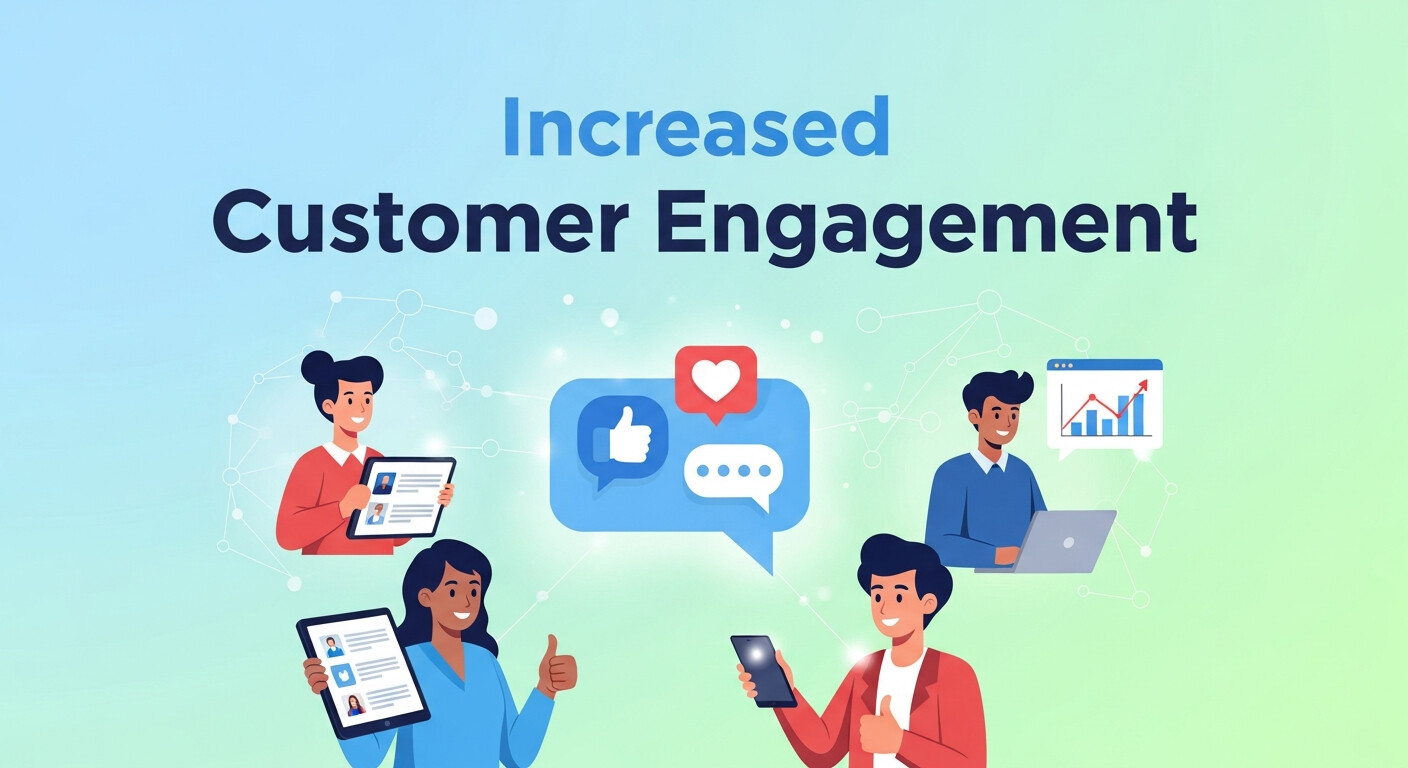
A major Business Marketing Advantage is the ability to foster deeper customer engagement. By using personalized marketing campaigns, email strategies, and social media interactions, businesses can connect directly with their audience. Engagement builds trust, encourages customer feedback, and strengthens loyalty. When customers feel valued and heard, they are more likely to share their experiences, resulting in organic growth. Companies that implement engagement-driven strategies see higher conversion rates and repeat purchases. Additionally, data from engagement metrics allows businesses to refine marketing efforts, ensuring messages resonate effectively. Overall, leveraging this advantage not only improves customer relationships but also drives sustained revenue growth.
Targeted Marketing Strategies
Targeted marketing is a critical Business Marketing Advantage that helps companies reach their ideal audience. By analyzing customer behavior, preferences, and demographics, businesses can create campaigns tailored to specific segments. This reduces wasted resources and maximizes return on investment. Tools like email automation, PPC campaigns, and social media targeting enable precise outreach. When messages are relevant, customers are more likely to respond positively, increasing conversions. Targeted strategies also enhance customer experience, as individuals receive content that aligns with their needs. Companies using this approach benefit from higher efficiency, better results, and stronger brand credibility. Integrating Content Marketing Lead Generation techniques into targeted campaigns further boosts conversion potential.
Cost-Effective Marketing Solutions
Another Business Marketing Advantage is cost efficiency. Modern marketing techniques, such as social media advertising, content marketing, and email campaigns, offer high impact at relatively low costs. Small businesses can compete with larger companies without a massive budget by leveraging digital tools. Cost-effective strategies ensure maximum ROI while minimizing wasted spend. Businesses can allocate resources to the most profitable channels, track results in real-time, and adjust campaigns accordingly. Moreover, marketing automation reduces manual tasks, saving time and operational expenses. Companies that embrace cost-effective marketing gain a competitive edge, achieving strong growth without overextending financially. Optimizing expenses while maintaining quality is a key advantage in Mastering Advantages Business Marketing.
Measurable Results and Analytics
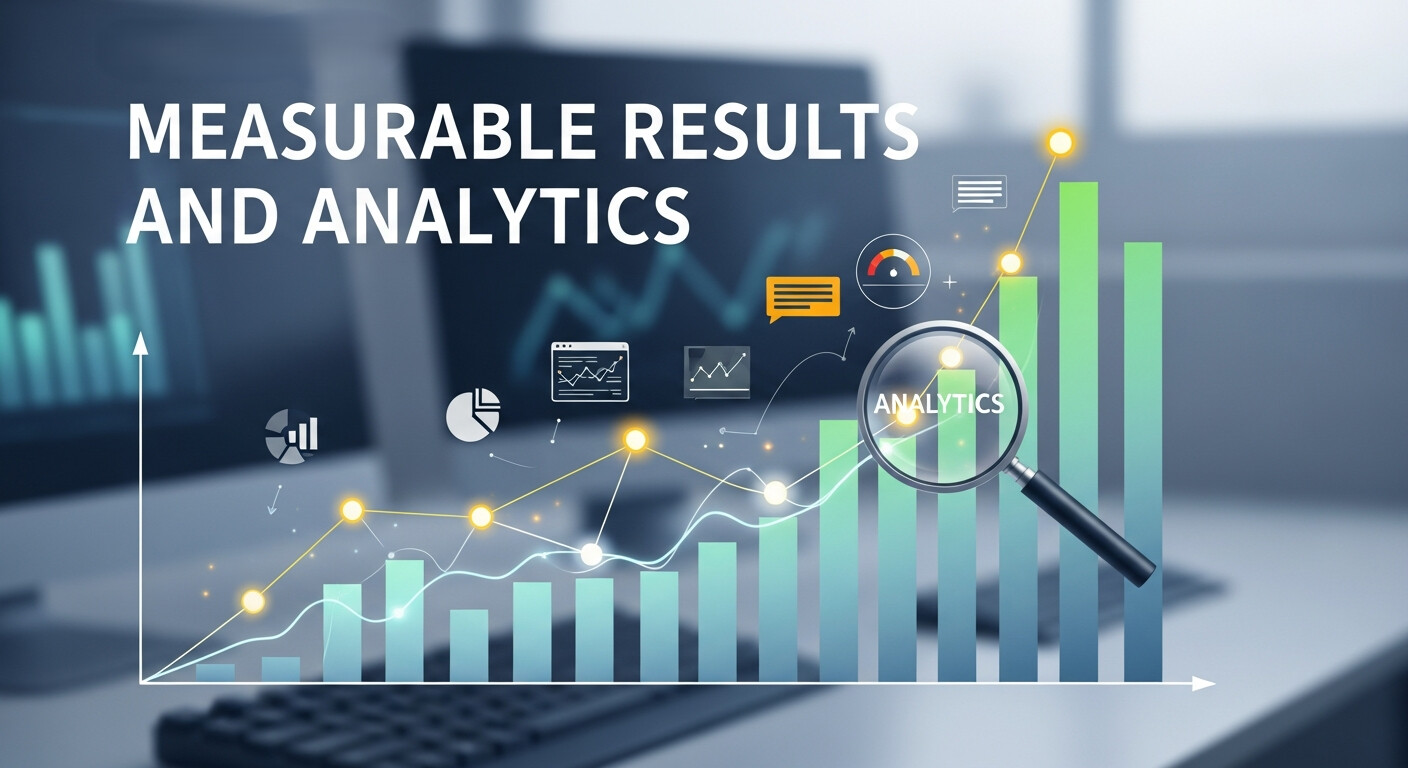
Tracking performance is a crucial Business Marketing Advantage. With analytics tools, businesses can measure campaign effectiveness, monitor engagement, and evaluate Return on Investment (ROI). Understanding metrics such as click-through rates, conversion rates, and customer retention helps optimize marketing strategies. Data-driven decisions reduce guesswork, ensuring resources are used efficiently. Measurable results also allow businesses to identify trends, predict customer behavior, and refine messaging. By analyzing performance regularly, companies can react quickly to market changes, stay ahead of competitors, and improve overall marketing effectiveness. Using analytics transforms marketing from an intuition-based process to a strategic, results-focused approach, amplifying growth. Incorporating B2B Lead Generation insights can further enhance campaign precision.
Competitive Advantage
One key Business Marketing Advantage is gaining a competitive edge. Businesses that execute strong marketing campaigns differentiate themselves in crowded markets. Highlighting unique selling propositions, engaging content, and consistent branding allows companies to stand out. Marketing strategies that focus on value creation, customer satisfaction, and innovation position a brand as a market leader. Competitive advantage also strengthens customer loyalty, as clients are more likely to choose a brand they recognize and trust. Companies that effectively leverage this advantage attract new customers while retaining existing ones. Continuous improvement in marketing strategies ensures the business remains relevant, adaptive, and ahead of competitors. Integrating insights from Content Marketing Lead Generation campaigns can amplify these benefits.
Improved Customer Retention
Customer retention is another significant Business Marketing Advantage. Maintaining strong relationships with existing customers is more cost-effective than acquiring new ones. Marketing strategies such as loyalty programs, personalized messaging, and regular communication help keep customers engaged. When customers feel appreciated, they are more likely to return, make repeat purchases, and refer others. Retention-focused campaigns improve lifetime customer value, boosting long-term revenue. Businesses that prioritize retention also gain valuable insights into consumer behavior, allowing for better product development and service enhancement. Consistently engaging and satisfying customers builds trust, strengthens brand loyalty, and ensures sustainable growth. Leveraging B2B Lead Generation data can help identify high-value customers for retention initiatives.
Adaptability to Market Changes

Adaptability is a vital Business Marketing Advantage. Markets evolve rapidly due to technological advances, consumer trends, and competitive pressures. Businesses that implement flexible marketing strategies can respond quickly to changes. Digital marketing, social media, and real-time analytics enable rapid adjustments to campaigns. Being adaptable ensures that businesses remain relevant, seize emerging opportunities, and mitigate potential risks. Companies that embrace adaptability also foster a culture of innovation and continuous improvement. This advantage allows businesses to maintain growth, retain market share, and avoid stagnation. By staying agile and responsive, companies can outperform competitors and position themselves for long-term success. Strategies combining Mastering Advantages Business Marketing with flexibility yield the strongest outcomes.
Integrating Multi-Channel Marketing
Multi-channel marketing allows businesses to reach customers across various platforms, such as social media, email, websites, and offline channels. Combining multiple touchpoints ensures a consistent brand message and maximizes engagement opportunities. By integrating campaigns, companies can analyze cross-channel performance, optimize resource allocation, and create a seamless customer journey. This approach increases visibility, strengthens brand recognition, and improves conversion rates. Businesses that leverage multi-channel strategies gain a comprehensive view of customer interactions, allowing for more informed decision-making.
Key Points
- Enhances customer reach across platforms
- Ensures consistent branding and messaging
- Improves engagement and conversion rates
- Provides measurable cross-channel insights
Table: Multi-Channel Marketing Overview
| Channel | Purpose | Example Use Case | Key Benefit |
|---|---|---|---|
| Social Media | Engagement and awareness | Instagram campaigns | Broad audience reach |
| Retention and personalization | Newsletter with offers | Targeted messaging | |
| Website | Information and lead generation | Landing pages | Conversions and analytics |
| Offline | Local reach | Trade shows, events | Personal interaction |
Enhanced Brand Credibility
Building credibility is a powerful Business Marketing Advantage. A trustworthy brand attracts more customers, increases loyalty, and encourages referrals. Consistent messaging, quality content, customer testimonials, and transparent communication strengthen credibility. Marketing campaigns that highlight expertise, success stories, and social proof position a company as reliable and professional. Credibility also supports premium pricing, as customers are willing to pay more for brands they trust. Businesses that focus on establishing authority and reliability benefit from long-term customer relationships and sustained growth. Enhanced brand credibility ensures that marketing efforts translate into tangible results, reinforcing the value of every strategy employed. Incorporating Content Marketing Lead Generation into campaigns also boosts authority and credibility.
Scalability and Growth Opportunities

Scalability is a major Business Marketing Advantage. Effective marketing strategies can be expanded as the business grows, reaching new audiences and markets without major additional costs. Digital marketing platforms, automation, and content marketing allow campaigns to scale efficiently. Scalable marketing ensures consistent messaging across channels while accommodating growth. Companies that leverage scalable strategies can enter new markets, launch new products, and target diverse customer segments effectively. Scalability also enables businesses to maintain performance during peak periods and adapt to increasing demand. By planning marketing with scalability in mind, companies maximize long-term growth potential, optimize resources, and capitalize on opportunities to strengthen their market position. Integrating B2B Lead Generation strategies ensures scalable campaigns reach the right prospects.
Measuring Marketing ROI
Measuring marketing ROI helps businesses evaluate the effectiveness of campaigns and allocate resources efficiently. By tracking conversions, engagement metrics, and revenue impact, companies can identify which strategies generate the most value. Accurate measurement allows for informed adjustments and prioritization of high-performing initiatives. Additionally, ROI analysis supports budget planning, goal setting, and demonstrating marketing impact to stakeholders. Businesses that actively monitor ROI gain a strategic advantage, ensuring efforts contribute directly to growth and profitability.
Key Points
- Determines campaign effectiveness
- Guides resource allocation and budgeting
- Supports strategic decision-making
- Improves future campaign performance
Table: Common ROI Metrics
| Metric | Purpose | How to Measure | Benefit |
|---|---|---|---|
| Conversion Rate | Customer action efficiency | Sales ÷ total leads | Measure campaign success |
| Customer Acquisition | Cost to gain new customers | Total spend ÷ new customers | Optimize budget allocation |
| Engagement Rate | Audience interaction | Likes, shares, comments ÷ followers | Gauge content performance |
| Revenue Impact | Financial contribution | Revenue generated ÷ campaign cost | Assess profitability |
The Future of Business Marketing
The future of marketing promises even greater Business Marketing Advantages as technology evolves. Artificial intelligence, automation, and advanced analytics will enable hyper-personalized campaigns, predicting customer needs before they arise. Immersive experiences like AR and VR will transform engagement, while social commerce and influencer collaborations will expand reach. Data-driven insights will refine strategies in real-time, maximizing ROI and efficiency. Businesses that embrace innovation and emerging tools will gain a competitive edge, adapt faster to market changes, and deliver exceptional customer experiences. Staying ahead of trends ensures that marketing remains a strategic driver of growth and long-term success.
Conclusion
Understanding and leveraging Business Marketing Advantages is essential for sustainable growth and long-term success. By enhancing brand visibility, improving customer engagement, and implementing targeted strategies, businesses can maximize ROI while minimizing costs. Analytics-driven insights, adaptability, and competitive positioning further strengthen marketing efforts, ensuring relevance in dynamic markets. Retaining loyal customers, building credibility, and scaling operations efficiently are additional benefits that make marketing a strategic asset. Companies that master these advantages not only attract new customers but also foster lasting relationships, drive revenue growth, and establish themselves as leaders in their industry. Effective marketing is the key to business success.
Frequently Asked Questions
1. What are Business Marketing Advantages?
Business Marketing Advantages help companies grow, increase visibility, and attract customers. These advantages include targeted campaigns, cost efficiency, and customer engagement strategies, allowing businesses to maximize ROI, improve brand recognition, and maintain a competitive edge in any market.
2. How do Business Marketing Advantages improve brand visibility?
Leveraging Business Marketing Advantages enhances brand visibility by reaching the right audience through social media, ads, and content marketing. Increased visibility ensures your brand stands out, engages potential customers, and builds trust for sustainable growth and long-term success.
3. Can Business Marketing Advantages increase customer engagement?
Yes, Business Marketing Advantages foster higher customer engagement. Personalized campaigns, interactive content, and social media strategies encourage feedback, repeat visits, and loyalty. Engaged customers are more likely to convert and share experiences, amplifying the business’s reach naturally.
4. Why are targeted strategies a key Business Marketing Advantage?
Targeted campaigns are a crucial Business Marketing Advantage. By analyzing demographics, behavior, and preferences, businesses can deliver personalized content that resonates, reduces wasted resources, and increases conversions, ensuring that every marketing effort drives measurable results.
5. How do Business Marketing Advantages save costs?
Digital tools and automation make Business Marketing Advantages cost-effective. Businesses can reduce manual effort, minimize wasted spend, and optimize campaigns. Cost efficiency ensures high ROI, allowing companies to invest strategically in growth and scaling opportunities.
6. What role do analytics play in Business Marketing Advantages?
Analytics are central to Business Marketing Advantages, offering measurable insights into campaigns. Tracking performance, engagement, and conversions enables businesses to optimize strategies, make data-driven decisions, and maximize the effectiveness of marketing efforts.
7. How do Business Marketing Advantages provide a competitive edge?
A strong marketing strategy is a key Business Marketing Advantage that differentiates your business from competitors. By highlighting unique value, creating memorable campaigns, and maintaining consistent messaging, companies gain market share and attract loyal customers.
8. Do Business Marketing Advantages improve customer retention?
Yes, Business Marketing Advantages strengthen customer retention. Loyalty programs, personalized offers, and regular engagement keep customers satisfied. Retention-focused marketing increases lifetime value, drives repeat purchases, and encourages referrals, maximizing long-term business growth.
9. How do Business Marketing Advantages help businesses adapt?
Adaptability is a crucial Business Marketing Advantage. Companies can quickly adjust strategies to market trends, consumer behavior, or competitive shifts, ensuring relevance, sustaining growth, and staying ahead in dynamic business environments.
10. Can Business Marketing Advantages enhance brand credibility?
Absolutely. Business Marketing Advantages like consistent messaging, social proof, and quality content improve credibility. Credible brands build trust, attract loyal customers, and command higher value, boosting overall business success and long-term growth.
11. How do Business Marketing Advantages support scalability?
Scalable marketing is a key Business Marketing Advantage. Efficient strategies, automation, and digital platforms allow campaigns to grow with your business, reaching new audiences and markets while maintaining consistency and maximizing ROI.
12. What is the role of innovation in Business Marketing Advantages?
Innovation enhances Business Marketing Advantages by integrating AI, VR, and emerging technologies into campaigns. Innovative marketing ensures relevance, improves engagement, and delivers unique customer experiences that set the brand apart in competitive markets.
13. Why should businesses prioritize Business Marketing Advantages?
Prioritizing Business Marketing Advantages drives visibility, engagement, loyalty, and revenue growth. Companies leveraging these advantages effectively position themselves for long-term success, outperform competitors, and maximize the return on marketing investments.



Leave a Reply