

Understanding Your Objectives and Audience
Defining Clear Goals
Before diving into planning or producing your next webinar, it’s essential to establish clear objectives that align with overarching marketing and sales aims. Whether you want to boost brand visibility, demonstrate subject matter expertise, or catalyze qualified demos, setting measurable benchmarks is a critical first move. Data-driven teams often break down goals into key performance indicators like registration volume, attendance retention, engagement milestones, and follow-up conversion rates. Defining these KPIs upfront enables real-time adjustments to promotional tactics and content pacing, ensuring your webinar lead generation efforts yield maximum returns.
Building an Attendee Persona
Once your goals are in place, the next step is audience profiling. In today’s digital landscape, a one-size-fits-all approach rarely works. Instead, develop detailed personas by gathering insights on demographics, job roles, and industry sectors. Leverage existing CRM data, social media analytics, and surveys to uncover professional challenges and aspirations. For example, a marketing director might seek strategic frameworks, while an operations manager looks for process-optimization tips. Mapping out these distinctions allows you to tailor messaging, select relevant examples, and craft offers that resonate deeply with each segment.
Audience profiling is essential for improving webinar lead quality. By studying behavioral and demographic insights, businesses can better align messaging with intent—similar to approaches used in how to generate qualified leads guide. This ensures your webinar speaks directly to real user needs.
Segmenting and Personalizing Outreach
Effective segmentation can significantly enhance engagement rates. Rather than blasting a general invitation, categorize prospects by factors such as lead score, past interactions, or content preferences. You can integrate marketing automation tools with platforms recommended by official resources like the Pew Research Center to analyze online behavior and optimize email sequences. Personalized invitations that mention specific pain points or highlight relevant benefits often yield higher click-throughs. Additionally, consider A/B testing subject lines and email copy to uncover the language that best drives registration.
Benchmarking and Timeline Planning
In a competitive ecosystem, benchmarking your webinar against industry norms can provide valuable perspective. Currently, average attendance rates hover between 40% and 50%, while engagement rates fluctuate based on interactive elements. Referencing reputable authority like Digital.gov offers guidelines on public sector communication standards and can inspire compliance-oriented planning. Establish a timeline that allocates sufficient lead time for promotional campaigns, speaker preparation, and technical rehearsals. A typical schedule might involve six weeks of preparatory work, beginning with topic approval and ending with a final test run. This structured timeline ensures that every stakeholder understands responsibilities and deadlines, reducing last-minute complications and enhancing overall lead generation performance.
Translating Insights into Action
By combining precise objectives with finely tuned audience insights, your webinar lead generation roadmap becomes clear. Use personas to inform the structure of your event, guiding topic choices, case study selection, and even speaker profiles. This tailored approach helps you craft a narrative arc that guides attendees from initial interest to a well-defined call to action. Ultimately, this combination of clarity around goals and rigorous audience segmentation sets the stage for a webinar that not only captivates but also converts leads into engaged prospects.
Designing a Compelling Webinar Topic and Format
Identifying Relevant Themes
Choosing the right topic is essential for success. Strong webinar ideas often come from proven frameworks like those used in how to generate sales leads like a pro, where content is aligned with user intent and conversion goals. Conduct keyword research to identify high-demand phrases related to your industry, then survey existing customers or social media followers for insights on pressing issues. This approach ensures your session directly speaks to viewer needs, increasing the likelihood of registrations and active participation. Remember, the more specific and actionable your theme—such as optimizing remote onboarding processes or leveraging AI-driven analytics—the stronger your positioning as a valuable resource.
Leveraging Industry Research
To bolster credibility, incorporate findings from reputable institutions. Cite studies from universities like Harvard Business School or government bodies such as the U.S. Small Business Administration when framing your topic. Referencing authoritative data points not only strengthens your arguments but also elevates your brand’s trustworthiness. For instance, showcasing a case where a corporation improved conversion by 30% after implementing a specific technique can act as a powerful hook. Integrating this data sparks curiosity and encourages attendees to register for insights that are backed by recognized experts.
Exploring Format Variations
While the traditional single-speaker presentation remains popular, alternative formats can inject freshness and boost engagement. Panel discussions featuring multiple subject matter experts facilitate diverse perspectives, while interview-style sessions create an intimate dialogue that feels conversational. Live Q&A segments invite real-time interaction, allowing attendees to clarify doubts instantly. Workshops or hands-on demonstrations work particularly well for technical or software-focused topics, giving participants actionable takeaways. Selecting the appropriate format should reflect both your content goals and audience preferences to maximize the impact of your webinar lead generation campaign.
Crafting an Engaging Agenda
Once you’ve locked in a topic and format, structure a clear, time-bound agenda to guide the flow of your session. Allocate dedicated time for each segment—introduction, core content, interactive polls, and Q&A— to maintain a steady rhythm. A balanced mix of informative presentations and participatory elements helps prevent fatigue and keeps attendees focused. For example, you might introduce a topic in ten minutes, segue into a five-minute poll, dive deeper into case studies for fifteen minutes, and reserve the final quarter-hour for live questions. This methodical pacing enhances both retention and lead conversion potential.
Selecting Expert Presenters
Your choice of speaker can make or break audience perception. Aim for professionals with credibility, such as industry analysts, university researchers, or senior executives who bring firsthand experience. When approaching potential presenters, clearly outline the value proposition—exposure to a targeted audience, co-branding opportunities, or the chance to share new research. Once confirmed, collaborate on rehearsals to align on messaging, slide design, and interaction cues. Skilled presenters deliver content confidently and facilitate smooth transitions, reinforcing your brand’s reputation and driving stronger webinar lead generation outcomes.
Selecting the Right Technology and Crafting an Effective Registration Page
Choosing a Reliable Webinar Platform
Selecting a sturdy webinar platform is crucial for achieving seamless attendee experiences and robust webinar lead generation. Today, numerous options exist, each offering varied capabilities in terms of scalability, interactive tools, and analytics. When evaluating solutions, prioritize platforms that guarantee minimal downtime, clear audio quality, and responsive customer support. User reviews on trusted sites like G2 or official government procurement portals can help validate vendor claims. Opt for a system that integrates smoothly with your existing CRM and marketing automation suite, ensuring captured data flows directly into your follow-up workflows.
Essential Features to Look For
A top-tier technology stack should include automated registration and reminder emails to minimize no-shows, as well as interactive elements like polls, quizzes, and live chat to keep your audience engaged. On-demand recording and hosting capabilities allow you to repurpose session content for future lead nurturing campaigns. Look for platforms offering advanced analytics dashboards so you can track metrics such as attendance duration, participation rates, and poll responses. Seamless integrations with tools like Salesforce or Mailchimp streamline post-event segmentation and enable targeted outreach based on participant behavior.
Designing a Persuasive Registration Page
Your registration page is the first conversion checkpoint in your webinar lead generation funnel. An effective page features a striking headline that clearly communicates the event’s value proposition, supporting your main focus keyword. Below the headline, present a concise bullet-point list of key takeaways, highlighting the what’s in it for me factor. Incorporate speaker profiles with brief bios and professional headshots to establish credibility. Adding social proof—such as testimonials or attendee counts from past webinars—can alleviate skepticism and encourage more sign-ups.
Optimizing for Conversion
Conversion optimization involves both design considerations and content tweaks. Use a clean layout with ample white space, ensuring the registration form remains above the fold. Limit required fields to essential details—name, email, and organization—to reduce friction. Implement A/B testing on headline variations, call-to-action button colors, and form placements to identify the most effective combinations. Including a countdown timer can instill a sense of urgency, especially when spots are limited. Finally, ensure your page is mobile-responsive, as an increasing number of professionals browse and register via smartphones.
Integrations and Follow-Up Automation
Integrating your registration page with an email service provider ensures registrant data automatically triggers tailored confirmation emails, calendar invites, and reminder sequences. Platforms like Zapier or native connectors can facilitate this process without complex coding. By automating follow-up messages—such as thank-you emails, replay links, and survey requests—you maintain consistent communication that nurtures leads toward the next stage. This level of automation empowers marketing teams to focus on strategy and content rather than manual data transfers, making webinar lead generation more efficient and scalable.
Implementing a Multi-Channel Promotion Strategy
Leveraging Email Marketing
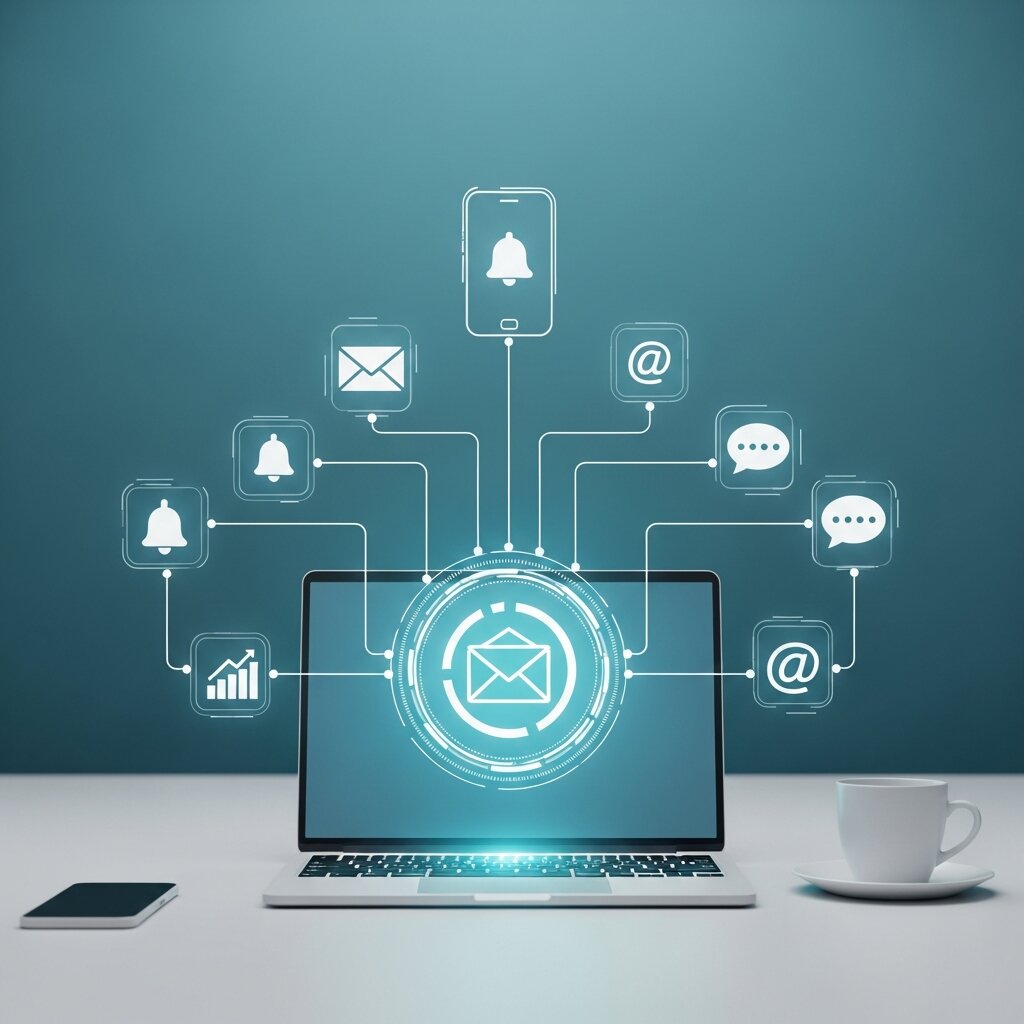
Email remains one of the most powerful channels for webinar lead generation, delivering impressive ROI when executed properly. Begin by segmenting your contact list based on factors like industry, past engagement, and lead score, tailoring your messaging accordingly. Craft a series of emails—initial invitation, first reminder, second reminder, and final last chance notice—spaced strategically in the weeks leading up to your event. Personalize subject lines and preview text to boost open rates, and consider embedding a brief video or GIF for visual interest. Monitor key metrics such as open rates, click-throughs, and registration completions to refine your sequence throughout the campaign.
Maximizing Social Media Reach
Social platforms offer unparalleled access to professional audiences at scale. Create dedicated event pages on LinkedIn and Facebook, leveraging their built-in registration tools to capture leads directly. Organic posts should highlight speaker insights, teaser content, and compelling statistics to entice clicks. Paid social ads can further amplify reach; use precise targeting for job titles, industries, and company sizes. Include clear calls to action and track performance through UTM parameters or native ad analytics. A two-phase approach—teasing the event before registration opens, then ramping up promotions during the final two weeks—often yields optimal engagement rates.
Partner and Influencer Collaborations
Co-hosting a webinar with industry partners or influencers can expand your reach significantly. Seek collaborators whose audiences and brand values align with yours, whether an association, vendor, or thought leader. Provide them with promotional assets—email templates, social graphics, and blog copy—to facilitate sharing. Featuring a respected analyst or academic from a reputable institution like Stanford University adds extra authority. Shared promotion taps into each party’s networks, driving higher registration numbers while reinforcing credibility and amplifying the impact of your webinar lead generation efforts.
Content Marketing and SEO
Integrate webinar promotion into your broader content strategy by writing blog posts or producing short videos related to your topic. Embed registration links within these pieces as content upgrades, encouraging readers to sign up for deeper insights. Optimize blog titles and meta descriptions with your focus keyword—webinar lead generation—to attract organic traffic from search engines. Incorporate internal links to the registration page from related articles to improve crawlability and guide interested prospects. Continuously monitor search performance and adjust on-page SEO elements like header tags and image alt text to maintain strong visibility.
Tracking and Adjusting Campaign Performance
Effective promotion requires real-time monitoring to identify which channels drive the most registrations and which messaging resonates best. Use a marketing dashboard or unified analytics platform to consolidate data from email, social, and paid campaigns. Track cost per acquisition, registration-to-attendee ratios, and engagement metrics to calculate your webinar lead generation ROI. Based on these insights, reallocate budgets and refine creative elements mid-campaign if needed. This agile approach maximizes resource utilization and ensures you meet or exceed attendance targets.
Executing Engaging Webinars and Maximizing Conversions
Crafting Interactive Content
High-quality webinar content balances informative presentations with interactive elements to maintain attendee attention and drive action. Visual storytelling—using clear graphics, minimal text slides, and impactful charts—helps simplify complex information. Introduce live polls or quizzes at regular intervals to gather feedback and sustain engagement. Sharing real-world case studies or success stories contextualizes theoretical concepts and makes them relatable. Always conclude sections with open-ended questions, inviting participants to submit queries via chat, so they feel involved and invested.
Rehearsal and Technical Preparation
Technical hiccups can derail a well-planned webinar, so allocate time for thorough rehearsal. Schedule at least one full run-through that mirrors the live environment, testing audio quality, camera framing, slide transitions, and screen-sharing functions. Verify backup internet connections and secondary devices to switch seamlessly if required. Align on speaker roles, handoffs, and cue prompts to ensure fluid transitions. Document a checklist of contact numbers for technical support, so any unexpected issue can be resolved swiftly, protecting the integrity of your webinar lead generation initiative.
Hosting Best Practices
On the day of the event, start with a warm welcome and a brief outline of the session’s agenda. Introduce speakers, set clear expectations, and establish participation norms—such as using chat for questions. Maintain a steady pace by interleaving presentations with demonstrations and interactive segments. Encourage attendees to engage by asking them to vote in polls or share opinions in chat every 10-15 minutes. Reserve dedicated time for live Q&A, addressing the most relevant questions in depth. A lively, polished delivery reinforces your brand image and primes participants for the call to action.
Structured Follow-Up Sequence
The real power of webinar lead generation emerges after the live session concludes. Implement a multi-step follow-up program that starts with an immediate thank-you email containing a link to the on-demand recording and any supplemental materials. Within 24 hours, send a concise survey to gather feedback on content relevance and technical experience. Based on respondents’ answers and poll participation, segment your audience for targeted outreach—share blog posts, whitepapers, or demo invites tailored to their interests. For high-value leads, consider personalized phone calls or one-on-one meetings to accelerate the sales conversation.
Measuring Success and Iterating
Evaluating performance through relevant metrics enables continuous improvement of your webinar lead generation process. Track registration-to-attendance ratios, average participation duration, poll engagement rates, and conversion rates aligned with your primary call to action. Monitor on-demand replay views over subsequent weeks to quantify long-tail impact. Compare results against benchmarks—such as those published by industry bodies or academic research—to identify areas for enhancement. Use these insights to refine topics, formats, and promotional tactics for future webinars, ensuring each event performs more effectively than the last.
Frequently Asked Questions
What is the optimal length for a webinar?
Webinars typically perform best when they last between 45 to 60 minutes, balancing depth and engagement without causing fatigue.
How can I increase webinar attendance rates?
Use a combination of email reminders, social media teasers, and calendar invites; keep registration forms simple; and offer incentives like exclusive content.
Which metrics should I track for webinar lead generation?
Focus on registration numbers, attendance rates, engagement levels such as poll participation, and post-webinar conversion metrics for demos or purchases.
Conclusion
By applying proven strategies like those in how to generate leads strategies for success and continuously optimizing based on performance, businesses can turn webinars into a reliable engine for sustainable lead generation and long-term success. During live sessions, interactive tools help maintain engagement, while a well-planned follow-up process turns attendees into qualified leads.
Continuous measurement and optimization are essential for improving results over time. By analyzing feedback, refining content, and testing new features like breakout rooms or AI chat, marketers can enhance both engagement and conversions. With the right strategy, webinars become a powerful engine for sustainable growth and effective Webinar Lead Generation.


Leave a Reply