


Lead generation sites help businesses attract qualified prospects efficiently. By combining the right platforms, optimized content, automation, and analytics, companies can scale sustainably, reduce acquisition costs, and drive consistent revenue growth in competitive digital markets.
Generating high-quality leads is one of the biggest challenges businesses face in today’s highly competitive digital landscape. With countless platforms, channels, and marketing tools available, deciding where to invest your time and budget can feel confusing and overwhelming. Reaching the right audience—people who are genuinely interested in your products or services—requires more than just visibility; it demands strategy, precision, and consistency.
Whether you’re a startup trying to build your first sales pipeline or an established company searching for new growth opportunities, this guide will help you identify reliable platforms, understand how they work, and use them effectively to attract, engage, and convert high-quality leads that drive long-term business success.
Why Lead Generation Sites are Crucial for Your Business

Lead generation sites are online platforms specifically designed to connect businesses with potential customers. They simplify the process of finding leads by utilizing their networks, algorithms, and marketing strategies to create opportunities for engagement.
The benefits of using lead generation sites include:
- Time Efficiency: Eliminate the tedious manual efforts of lead hunting by utilizing ready-made platforms.
- Cost Effectiveness: Many platforms offer scalable solutions that allow businesses to control their spending.
- Targeted Reach: Most lead generation tools allow advanced audience segmentation, helping you focus your efforts on the right prospects.
- Improved Conversion: Many platforms leverage AI and analytics to connect you with leads most likely to convert.
Now that you know why these platforms matter, let’s explore the top sites you should be using.
The Best Lead Generation Sites for Your Business
1. LinkedIn
Why it works:
LinkedIn is no longer just a professional networking platform; it has also evolved into one of the most powerful tools for B2B and B2C lead generation. With more than 900 million members globally, LinkedIn allows businesses to directly connect with decision-makers in their industry.
How to use it for lead generation:
- Optimize your company page to highlight your offerings.
- Use LinkedIn Ads, such as Sponsored Content, Message Ads, and Dynamic Ads, to target your ideal audience.
- Leverage LinkedIn Sales Navigator to identify and engage with valuable leads.
Pro tip: Regularly post valuable content, such as blog posts, videos, or case studies, to engage your audience organically.
2. HubSpot
Why it works:
HubSpot’s marketing and sales tools are specifically designed to streamline lead generation efforts. From capturing contact details via forms to tracking user behaviour, HubSpot provides end-to-end solutions.
How to use it for lead generation:
- Use their form builder and landing pages to capture leads on your site.
- Automate follow-ups with personalized email campaigns.
- Integrate their free CRM to manage your funnel and nurture leads effectively.
Pro tip: HubSpot Academy offers free courses on lead generation strategies, helping you learn while you earn.
3. Facebook Ads
Why it works:
Facebook has billions of active users, making it an essential platform for businesses looking to generate leads. Its robust ad system allows hyper-targeting based on demographics, interests, behaviours, and more.
How to use it for lead generation:
- Run Lead Ads that allow users to submit their information directly within Facebook.
- Retarget visitors who have interacted with your website or previous ads.
- Use the Facebook Pixel to gather data and optimize campaigns for conversions.
Pro tip: Experiment with lookalike audiences to find new leads who share similar traits with your current customers.
4. Google Ads
Why it works:
Google Ads is a versatile platform that can deliver instant lead generation results when users actively search for products or services relevant to your business.
How to use it for lead generation:
- Set up targeted search ads that appear in Google search results.
- Use local service ads to target geography-specific audiences.
- Run display ads on the Google Display Network to capture attention across millions of websites.
Pro tip: Invest in high-intent keywords to ensure your leads are more likely to convert.
5. Yelp
Why it works:
For local businesses, Yelp is an excellent platform for generating service-oriented leads. Its focus on consumer reviews means users actively trust and rely on the platform to discover reliable businesses.
How to use it for lead generation:
- Claim or create your Yelp Business Account.
- Prioritize collecting testimonials from satisfied customers.
- Avail of Yelp Ads to ensure your listing appears at the top of user searches.
Pro tip: Respond promptly to reviews to build trust and enhance your credibility.
6. AngelList
Why it works:
AngelList is an ideal platform for startups looking for leads, partnerships, or investors. It connects entrepreneurs with like-minded professionals and seasoned mentors.
How to use it for lead generation:
- Build a compelling company profile that showcases your product and mission.
- Connect with job seekers and freelancers with relevant expertise.
- Network within AngelList’s community by joining discussions and sharing updates about your progress.
Pro tip: Regularly update your profile to keep it aligned with your growth and achievements.
7. Crunchbase
Why it works:
Crunchbase is a goldmine for B2B lead generation, offering information about companies, funding data, and key industry players. If you’re selling to enterprises, Crunchbase is your go-to resource.
How to use it for lead generation:
- Find potential leads by searching companies based on industry, size, and funding stage.
- Track competitors and identify decision-makers within their organizations.
- Use saved searches and filters to regularly discover new opportunities.
Pro tip: Use Crunchbase’s integration with CRM tools like Salesforce to streamline outreach.
8. Instagram
Why it works:
While traditionally seen as a B2C platform, Instagram has evolved into a valuable lead generation tool for visual-based businesses such as retail, fashion, and beauty.
How to use it for lead generation:
- Use Instagram Stories and add “Swipe Up” links for quick lead capture.
- Partner with influencers to amplify your reach.
- Run promotions and contests that encourage user engagement.
Pro tip: A strong visual presence and authentic storytelling are essential for success on Instagram.
9. Reddit
Why it works:
Reddit hosts a massive and highly engaged community across thousands of niche subreddits, making it an excellent platform to connect with a targeted audience.
How to use it for lead generation:
- Identify subreddits relevant to your audience and engage in genuine, helpful conversations.
- Use Reddit Ads to run targeted campaigns on specific communities.
- Share educational resources that align with your product, gently driving interest.
Pro tip: Avoid being overly promotional. Reddit communities value authenticity above all else.
10. Email Marketing Platforms

Why it works:
Email marketing platforms like Mailchimp and ActiveCampaign are still one of the most cost-effective lead generation methods. They allow you to stay connected with your audience through highly personalized communication.
How to use it for lead generation:
- Build email lists using gated content like free eBooks or webinars.
- Leverage dynamic email automation to follow up with potential leads.
- Use A/B testing to optimize your campaigns.
Pro tip: Don’t forget to segment your audience for more precise targeting and better engagement.
Importance of Landing Pages in Lead Generation
Even the best lead generation site won’t perform well without optimized landing pages. Landing pages act as conversion points where visitors exchange information for value. High-performing landing pages focus on a single offer, clear messaging, social proof, and strong calls to action. Slow load times or confusing layouts drastically reduce conversion rates. Platforms like HubSpot and Google Ads work best when paired with dedicated landing pages rather than generic homepages. A/B testing headlines, forms, and CTAs can significantly improve lead capture performance over time.
Role of Content Marketing in Lead Generation
Content marketing fuels nearly every successful lead generation strategy. Blogs, whitepapers, case studies, and videos educate prospects while building trust. When distributed through lead generation sites, content attracts users already searching for solutions. Gated content, such as eBooks or webinars, works especially well for B2B leads. Quality content positions your brand as an authority and reduces resistance during the sales process. Consistent content creation ensures a steady pipeline of inbound leads while lowering customer acquisition costs over time.
Using Automation to Scale Lead Generation
Marketing automation allows businesses to capture, nurture, and qualify leads at scale. Platforms like HubSpot, ActiveCampaign, and Mailchimp automate email follow-ups, lead scoring, and segmentation. Automation ensures no lead is ignored while maintaining personalized communication. It also aligns sales and marketing teams by delivering warm leads ready to convert. When combined with lead generation sites, automation dramatically increases efficiency and conversion rates. Businesses using automation report higher ROI and shorter sales cycles.
Measuring Lead Quality, Not Just Quantity
Many businesses focus on lead volume rather than lead quality—a costly mistake. High-quality leads are more likely to convert, remain loyal, and generate higher lifetime value. Metrics such as conversion rate, cost per lead (CPL), lead-to-customer ratio, and ROI provide deeper insights. Platforms like Google Analytics and CRM tools help track performance across channels. Evaluating lead quality ensures your marketing budget delivers meaningful business outcomes, not just numbers.
Common Lead Generation Mistakes to Avoid
Common mistakes include targeting the wrong audience, weak messaging, ignoring mobile optimization, and failing to follow up quickly. Another major issue is relying on a single platform for leads. Market changes or algorithm updates can disrupt performance overnight. Diversifying lead sources reduces risk and increases stability. Successful businesses continuously test, analyze, and optimize their lead generation efforts to stay competitive.
Future Trends in Lead Generation
AI, personalization, and conversational marketing are shaping the future of lead generation. Chatbots, predictive analytics, and intent-based targeting help businesses engage prospects at the right time. Privacy-focused strategies are also becoming essential due to stricter data regulations. Businesses that adapt early will gain a competitive advantage. Staying updated with emerging trends ensures long-term success in an evolving digital landscape.
Take Your Lead Generation to the Next Level
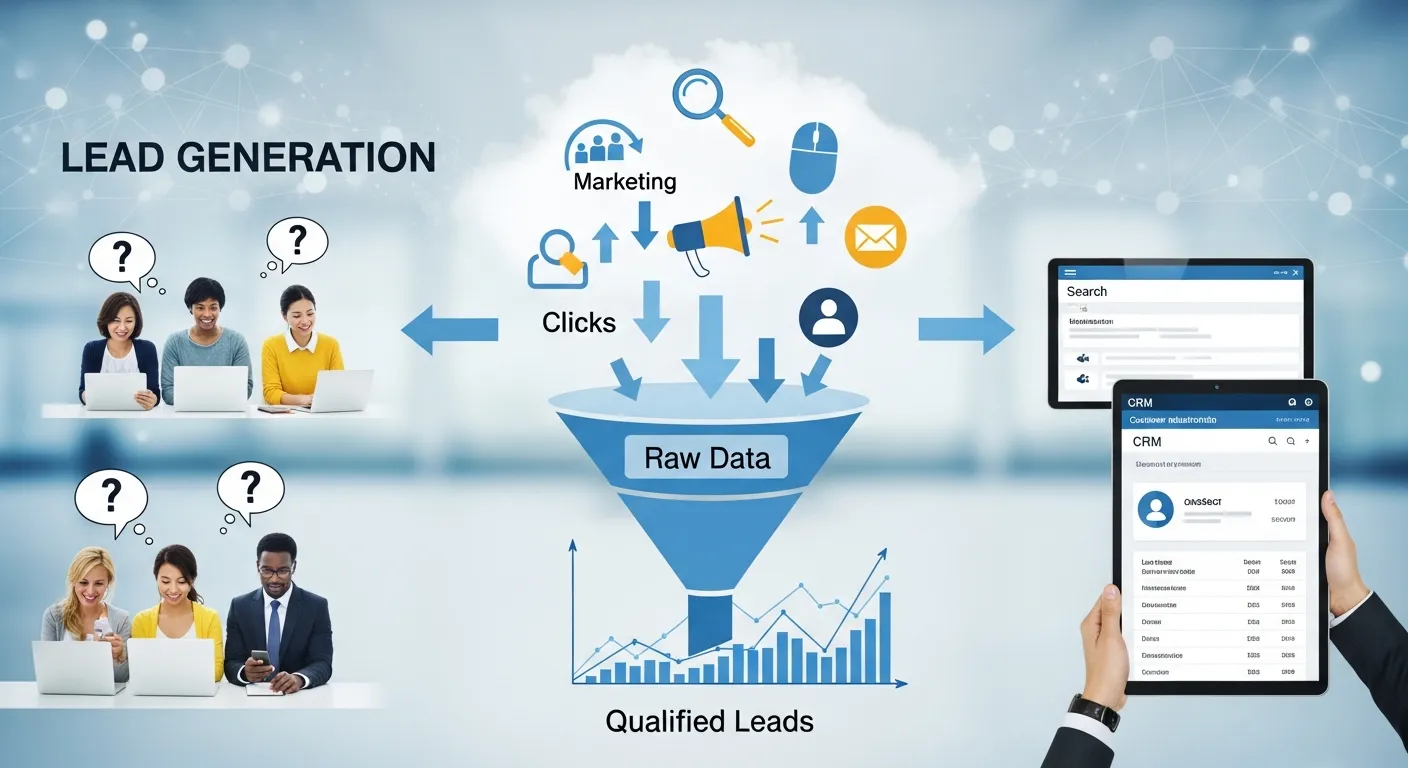
Lead generation is crucial for sustaining and growing your business. While there are countless options available, the key lies in selecting the platforms that align best with your business goals and target audience.
From professional networking on LinkedIn to leveraging hyper-local services like Yelp, there’s no excuse to leave potential leads on the table. Start small, test your tactics, and scale what works.
Want to learn more about refining your lead generation strategy? Download our free lead generation eBook or contact our expert team today to help you make the most out of these powerful tools!
Conclusion
Lead generation sites are essential tools for modern business growth. When used strategically, they help attract qualified prospects, improve conversions, and maximize marketing ROI. The key is choosing the right platforms, optimizing content, and continuously measuring performance.
Frequently Asked Questions (FAQ) – Lead Generation Sites
1. What are lead generation sites?
Lead generation sites are online platforms that help businesses identify, attract, and capture potential customers efficiently. They provide tools to segment audiences, collect contact information, and nurture prospects through automated workflows or personalized communication. These platforms leverage algorithms, AI, and analytics to match businesses with leads most likely to convert. Lead generation sites serve both B2B and B2C purposes and often integrate with CRM software for seamless tracking. By using these platforms, companies save time, reduce manual outreach, improve targeting accuracy, and increase their chances of converting prospects into paying customers.
2. Which lead generation platforms are best for B2B?
For B2B lead generation, LinkedIn, HubSpot, and Crunchbase are top choices. LinkedIn allows precise targeting of decision-makers by industry, job title, and company size. HubSpot offers end-to-end solutions, including CRM, landing pages, and email automation. Crunchbase provides detailed insights into company funding, growth stage, and key executives for strategic prospecting. Using a combination of these platforms allows businesses to research leads, engage them with personalized content, and track interactions efficiently. Together, they streamline outreach, improve lead quality, and accelerate the sales process for B2B companies of all sizes.
3. Are lead generation sites effective for startups?
Yes, lead generation sites are particularly effective for startups that need to build their customer base quickly and cost-effectively. Platforms like AngelList, LinkedIn, and Google Ads enable startups to reach early adopters, investors, and potential partners. Startups can generate leads without massive budgets, focusing on high-intent prospects and niche markets. By leveraging automation and targeted campaigns, they can nurture relationships and track engagement efficiently. Lead generation sites also provide analytics to measure performance and refine strategies, helping startups scale rapidly while minimizing wasted effort and maximizing ROI.
4. Are lead generation sites expensive?
The cost of lead generation platforms varies widely, from free basic plans to premium subscriptions with advanced features. Many sites offer scalable pricing based on the number of leads, ads, or contacts managed. Paid plans typically provide access to targeting, automation, analytics, and CRM integrations. While upfront costs can be high for advanced tools, the long-term ROI often outweighs the investment, as businesses save time and acquire higher-quality leads. By starting small, testing performance, and scaling gradually, companies of any size can benefit from lead generation sites without overspending.
5. How fast can I get leads?
Lead generation speed depends on the platform, campaign type, and strategy. Paid platforms like Google Ads, LinkedIn Ads, and Facebook Lead Ads can produce leads almost immediately by targeting high-intent audiences. Organic methods like SEO, content marketing, and social media engagement typically take longer to show results but provide sustainable traffic over time. Combining paid and organic approaches allows businesses to balance immediate results with long-term growth. Consistent monitoring, audience segmentation, and optimization further increase lead acquisition speed and conversion rates.
6. What is a qualified lead?
A qualified lead is a potential customer who meets specific criteria indicating they are likely to convert. Qualification considers factors such as demographics, job role, company size, engagement with content, purchase intent, and prior interactions. Lead scoring systems assign numeric values based on behaviors like email opens, website visits, and content downloads. Qualified leads allow marketing and sales teams to prioritize efforts, focus on high-value prospects, and reduce wasted resources. By nurturing these leads with personalized communication, businesses improve conversion rates and maximize the ROI of lead generation campaigns.
7. Can lead generation be automated?
Yes, lead generation can be automated using marketing automation platforms and CRM tools. Automation streamlines the process of capturing, nurturing, and following up with leads without manual intervention. For instance, email drip campaigns can deliver personalized content based on user behavior, while chatbots engage website visitors in real time. Automated lead scoring identifies prospects ready for sales outreach. Social media posting, retargeting ads, and workflow triggers can also be automated. Automation enhances efficiency, ensures timely communication, and allows teams to focus on high-priority leads, improving overall conversion rates and lead quality.
8. Is email marketing still effective for lead generation?
Absolutely. Email marketing remains one of the most effective methods for nurturing and converting leads. Personalization, segmentation, and automation make email campaigns highly targeted and impactful. Businesses can use emails to share gated content, promotions, newsletters, or follow-ups after downloads or inquiries. Tracking open rates, click-through rates, and conversions enables continuous optimization. When combined with lead generation sites, email campaigns reinforce engagement, maintain brand visibility, and guide leads smoothly through the sales funnel. Properly executed, email marketing provides consistent, measurable results and complements other lead generation efforts effectively.
9. How do I reduce cost per lead?
Reducing cost per lead (CPL) involves optimizing targeting, messaging, and conversion processes. Start by defining your ideal customer profile and focus campaigns on high-intent audiences. Test different ad creatives, landing pages, and offers to identify top-performing combinations. Improve landing page design for better user experience and clear calls-to-action. Use analytics to track which platforms and campaigns deliver the most qualified leads efficiently. Over time, reallocate budget toward high-performing channels, automate repetitive tasks, and refine audience targeting. These steps lower CPL, increase ROI, and ensure that marketing resources are spent effectively.
10. Do lead generation sites work for local businesses?
Yes, local businesses can benefit greatly from platforms like Yelp, Google Ads, and Local Social Media Marketing. Yelp allows businesses to capture leads through reviews and local search visibility. Google Ads and Google My Business ensure your services appear to users searching in your area. Social media campaigns targeting specific geographic regions can also drive engagement. Local lead generation platforms help businesses attract relevant prospects, increase foot traffic, and generate service inquiries. Consistently engaging with reviews, responding to questions, and leveraging promotions enhances credibility and increases conversion rates for local-focused businesses.
11. How many lead generation platforms should I use?
It’s best to start with 2–3 platforms that align closely with your target audience and business goals. Overloading multiple platforms can dilute focus, complicate tracking, and reduce campaign efficiency. Choose a mix based on audience type, industry, and budget—for example, LinkedIn for B2B, Instagram for visual B2C campaigns, or Google Ads for high-intent searches. Track performance metrics, optimize campaigns, and scale gradually. Starting with fewer platforms ensures high-quality leads, better resource allocation, and measurable growth before expanding to additional channels.
12. How do I track lead performance?
Tracking lead performance requires CRM tools, analytics platforms, and conversion monitoring. CRM systems like HubSpot, Salesforce, or ActiveCampaign record lead interactions, behaviour, and journey stage. Analytics tools, such as Google Analytics, provide insights into traffic sources, engagement metrics, and campaign effectiveness. Track key indicators like lead volume, cost per lead, conversion rates, and revenue generated. Regular monitoring identifies high-performing campaigns, reveals optimization opportunities, and ensures marketing efforts focus on channels delivering the best results. Accurate tracking helps maximize ROI, streamline workflows, and maintain a clear understanding of lead quality and overall business growth.



Leave a Reply