

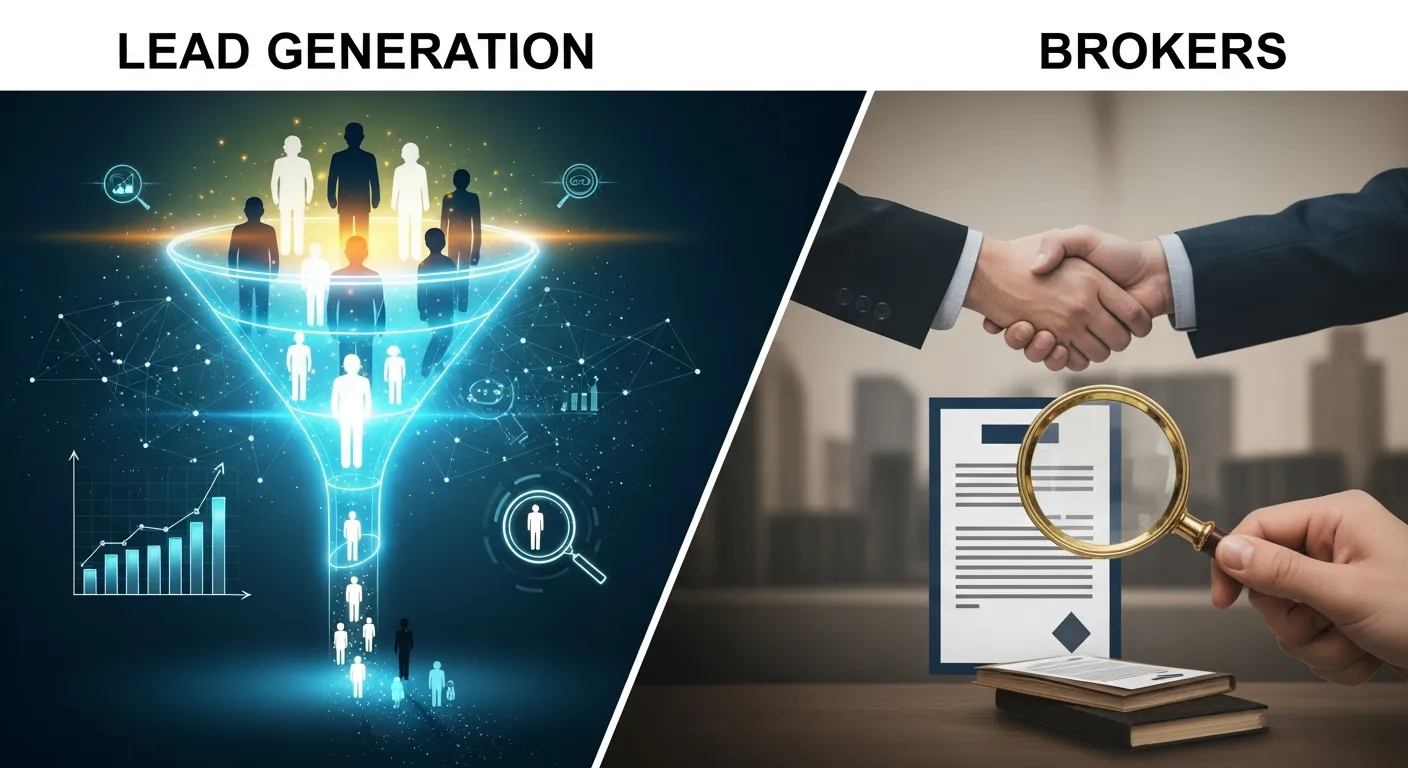
Lead generation nurtures prospects for long-term growth, while brokers facilitate transactions. Integrating technology and NFT marketing enhances efficiency, trust, and engagement, enabling businesses to maximize conversions, ROI, and competitive advantage in modern markets.
Many businesses aim to connect with potential customers in order to make sales, but how they go about it can differ greatly. For instance, one way is through generating leads, which means finding and attracting people who have an interest in your products or services. A much different approach is to work with brokers, whose role is to take care of the buying side and help sellers close a transaction.
Even if both are concerned with forging and engaging in new business opportunities, their processes, targets and roles are dramatically different. Let’s take an in-depth view of each one to recognize the key qualities that distinguish them.
Defining Lead Generation
Lead generation at its core is the establishment of a place where potential customers, or “leads,” can be drawn in, captured, nurtured and eventually turned into paying clients. Companies commonly use a mixture of online and offline strategies to get leads and fill up their pipeline for new sales.
Common Lead Generation Methods
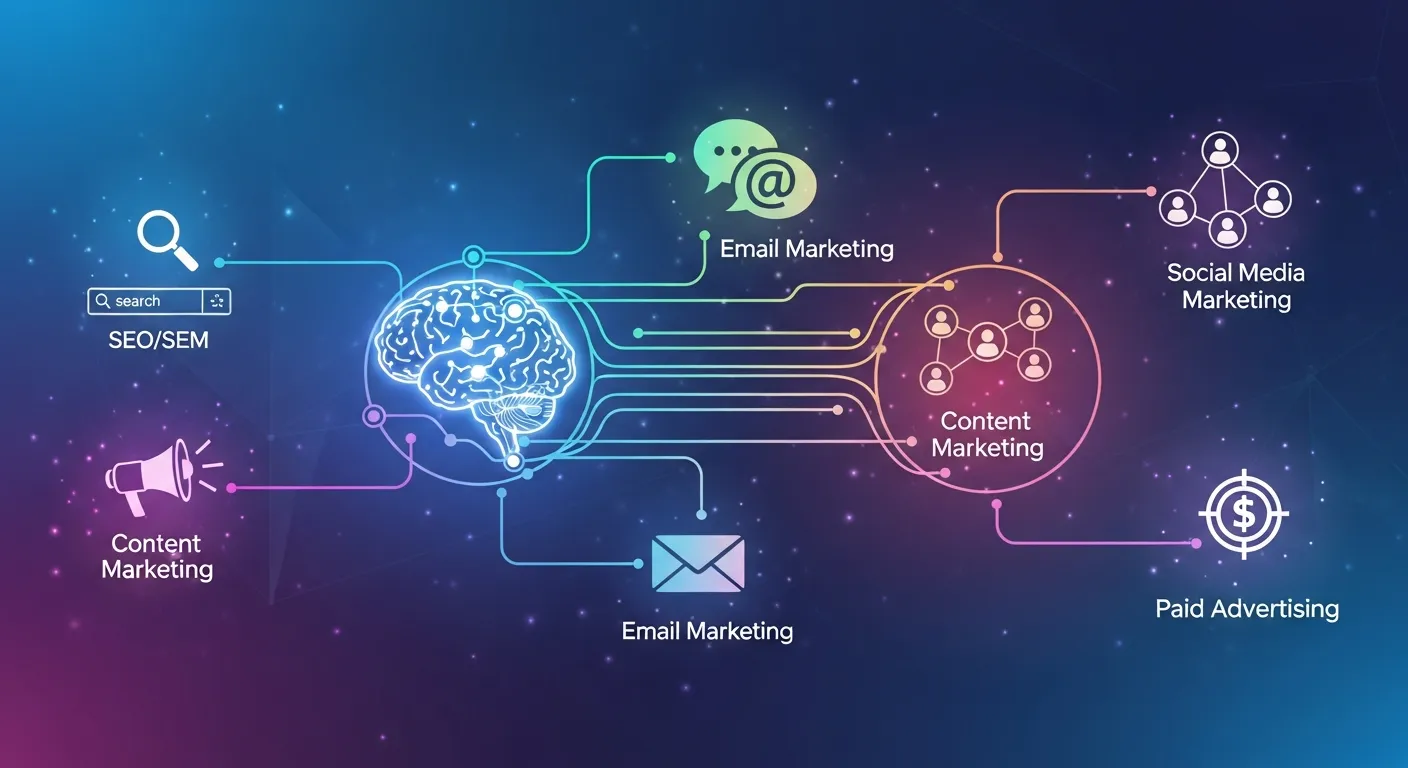
Content Marketing
By offering valuable content like blog posts or white papers, you locate prospects who feel that they are actively seeking solutions.
Email Campaigns
Personalized offers or news reach people via opt-in email lists. To explore how telemarketing complements email strategies, check out our Lead Generation Telemarketing Guide.
Social Media Advertising
- Place an ad at the right edge of the Facebook page, targeting users who have shown an interest in similar products
- LinkedIn ad, which can be highly targeted and thereby reach almost exactly the group you want to reach, will either appear on one or both sidebars of the company’s home page in this way shown by red arrows
Search Engine Optimization (SEO)
Rank for relevant searches so that people who are already interested in what you offer can find you and click through from Google
Pay-Per-Click (PPC) Advertising
Use Google Ads, Bing Ads, or other paid platforms to get immediate traffic to your site
The Role of Technology in Lead Generation
Modern, resource-constrained lead generation increasingly relies on technology such as Customer Relationship Management (CRM) software, marketing automation platforms, and business analytics. These tools enable companies to:
- Streamline processes
- Use data-driven decisions to qualify leads
- Track performance metrics
The overall aim is to create a sustainable, predictable system for attracting potential clients.
Understanding Brokers Compared
Brokers have a more direct and transactional role in business than lead generation. Brokers serve as middlemen who connect buyers and sellers to facilitate a service or transaction. They can be found in many different industries such as finance, real estate, insurance, and commodities.
Brokers’ Roles and Responsibilities
Connecting Parties
Brokers match sellers with interested buyers or clients seeking specific products or services.
Negotiating Deals
They use their expertise to advocate for favourable terms for both sides.
Receiving a Commission
Brokers usually receive their fee from commission, which can be a percentage of the value of the successful transaction or deal after it takes place.
Certification and Licensing
Many brokers are subject to regulation and must meet certification standards, such as: Real estate brokers in the U.S. need state licenses.
Examples of Brokered Industries
- Finance: Stockbrokers help people buy and sell stocks.
- Real Estate: Real estate brokers help people buy or sell properties.
- Insurance: Insurance brokers help clients buy insurance policies suitable for their needs.
How Brokers and Lead Generators Complement Each Other
Even though there are conflicting interests between brokers and lead generators, both can work together to bring about results more powerful than anything you could dream of alone.
Supporting Brokers with Lead Generators
Lead generation systems provide brokers with qualified leads. Instead of having to look for prospects all the time, they are free to concentrate on closing deals.
Turning the Tables on Lead Generation
Brokers, with their industry knowledge and networks of contacts, can assist enterprises in determining where to focus their lead generation efforts.
These are both weapons in your enterprise’s armory and the choice depends on your objectives, pocketbook, and industry.
Choosing the Right Method
In deciding whether to use lead generation or brokers, consider the following:
Industry
Are you in an industry where brokers are generally recognized, such as real estate or insurance? Or can your management handle its own pipeline through lead generation ( management lead generation Strategices?)
Budget
Lead generation can involve upfront investments in tools and campaigns, but offers scale. Brokers, on the other hand, only charge when they close deals.
Business Goals
If your objective is to build long-term relationships with clients, lead generation is more likely. For short-term, high-value transactions, brokers may be a better bet.
By understanding these differences, you can make an educated decision that meets the needs of your particular circumstance.
Leveraging Technology for Lead Generation and Brokers
Modern businesses increasingly rely on technology to optimize both lead generation and broker operations. Customer Relationship Management (CRM) platforms, marketing automation, and analytics tools allow companies to identify prospects, track interactions, and nurture relationships efficiently. For brokers, digital databases, AI-powered matching, and online marketplaces help connect buyers and sellers faster while ensuring compliance. Combining automated lead scoring with broker expertise ensures that high-quality prospects receive personalized attention, increasing conversion rates. By integrating technology, companies can create a sustainable system where lead generators feed brokers with qualified prospects, and brokers provide insights to refine targeting. This synergy maximizes ROI while reducing time and operational costs across sales pipelines.
Top Lead Generation Strategies for Modern Businesses
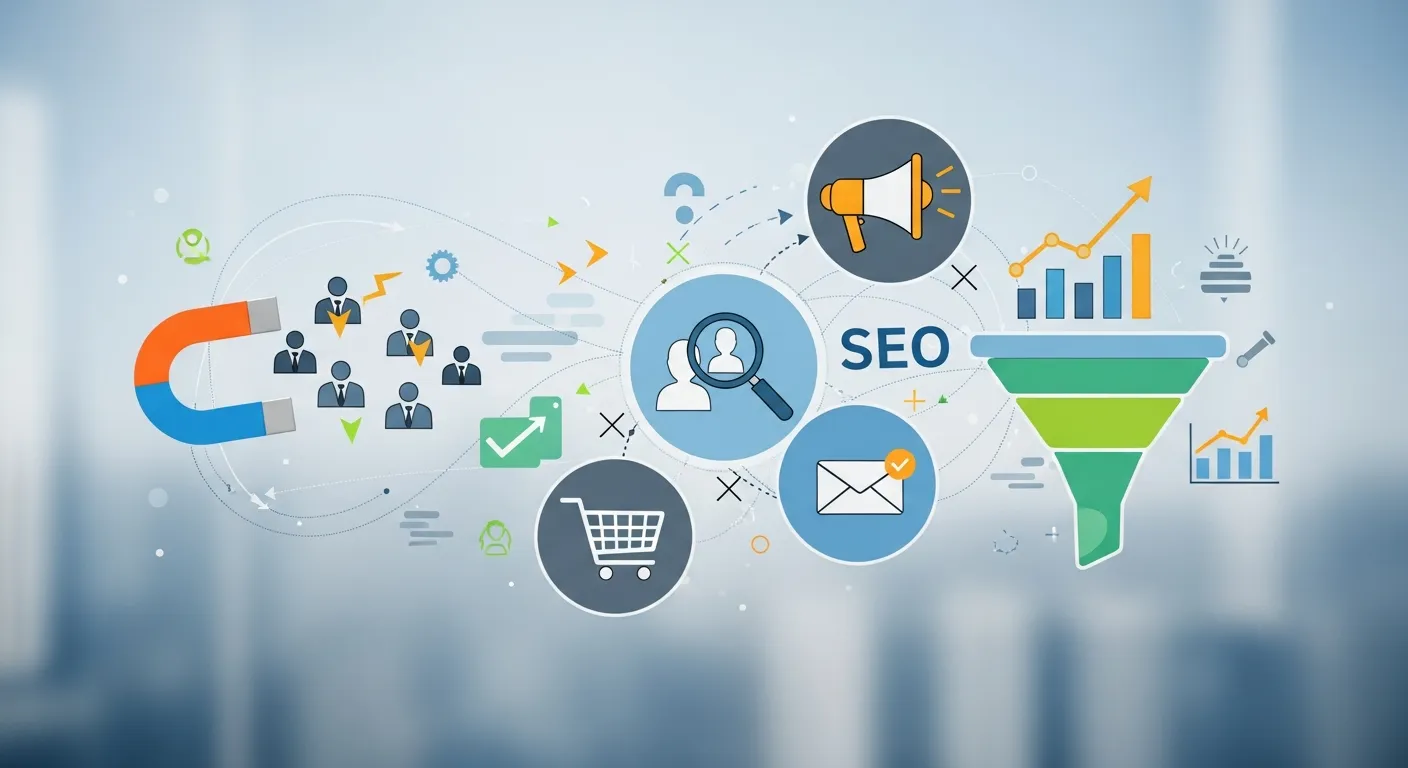 Effective lead generation combines multiple tactics: content marketing, SEO, social media ads, email campaigns, webinars, and events. Companies use targeted campaigns to reach specific audiences, optimize conversion paths, and measure results with analytics. AI tools can predict lead behaviour and personalize engagement. For B2B companies, LinkedIn campaigns and gated resources are particularly effective. Retailers benefit from social media and influencer-driven campaigns. Integrating technology ensures lead scoring, segmentation, and follow-up automation. Consistent analysis and adaptation improve ROI, while cross-channel campaigns increase reach and brand awareness. The goal is not just volume, but generating high-quality, actionable leads that are likely to convert into loyal customers.
Technology Tools Driving Lead Generation
Modern lead generation relies heavily on software solutions. CRMs like Salesforce or HubSpot help track and manage leads. Marketing automation platforms streamline email, social, and paid campaigns. Analytics tools provide insights into behaviour, engagement, and conversion rates. AI-powered solutions predict which leads are most likely to convert and even optimize outreach timing and messaging. Integrating these tools with sales workflows reduces manual effort and ensures no opportunity is lost. Data-driven approaches allow precise targeting and real-time adjustments, while tracking ensures campaigns are continually optimized. Ultimately, technology empowers businesses to scale lead generation while maintaining personalized and relevant communication with prospects.
Lead Nurturing: From Prospect to Customer
Attracting leads is only the first step; nurturing them is essential. Lead nurturing involves educating, engaging, and guiding prospects through the sales funnel until they are ready to buy. This can include personalized emails, targeted content, webinars, or follow-ups by sales teams. Automated workflows help maintain consistent communication while analysing behaviour to prioritize the hottest leads. Effective nurturing builds trust, demonstrates expertise, and addresses objections before the final transaction. Metrics like email open rates, click-throughs, and engagement time indicate which prospects are progressing. The key is combining automation with personalized touches to convert leads efficiently while enhancing long-term customer relationships.
How Brokers Enhance Lead Generation Efforts
Brokers and lead generation can complement each other. Lead generation systems provide brokers with qualified prospects, reducing the time spent sourcing clients. Brokers can then focus on closing deals using their market knowledge, negotiation skills, and networks. Conversely, brokers can guide companies in optimizing lead campaigns by highlighting where interest is strongest. Combining automated lead scoring with human expertise allows organizations to scale efficiently without sacrificing conversion quality. This synergy creates a more predictable sales pipeline while maximizing ROI for both marketing and transactional efforts.
Measuring Success: KPIs for Leads and Brokers
Tracking performance ensures accountability and improvement. For lead generation, key KPIs include conversion rates, lead quality, cost per lead, and pipeline velocity. For brokers, success is measured by closed deals, commission earned, deal size, and client satisfaction. Combining analytics from both approaches provides insights into which strategy yields better results and informs future planning. Monitoring these metrics allows businesses to allocate resources effectively, optimize processes, and ensure that marketing and brokerage efforts align with revenue goals.
NFT Marketing in Lead Generation and Sales
NFTs (non-fungible tokens) are emerging as innovative tools for marketing and lead generation. Businesses can tokenize digital assets, exclusive experiences, or membership perks to attract prospects and incentivize engagement. For example, limited-edition NFT drops can reward newsletter sign-ups or early product adoption. Brokers can also leverage NFTs to offer unique, verifiable digital assets in high-value deals. NFT campaigns drive curiosity, social engagement, and brand loyalty while providing a measurable and blockchain-verified record of interactions. Combining NFT marketing with traditional lead generation creates modern, tech-savvy campaigns that appeal to younger, digitally fluent audiences.
Choosing the Right Strategy for Your Business
Selecting between lead generation, brokers, or a hybrid approach depends on goals, industry, budget, and resources. Lead generation suits companies seeking long-term pipelines and scalability, while brokers excel in high-value or regulated industries. Small businesses may start with micro-influencers, online campaigns, or localized lead sources. Large enterprises often integrate both methods for maximum reach. Assessing ROI potential, risk, and operational capacity ensures the chosen strategy aligns with overall business objectives and creates a sustainable growth model.
Future Trends in Lead Generation and Brokerage

The future will blend technology, personalization, and blockchain applications. AI-driven lead scoring, predictive analytics, and CRM integrations will dominate lead generation. Brokers will increasingly adopt digital tools, virtual meetings, and NFT-based incentives to attract clients. Omnichannel campaigns, interactive content, and gamified engagement strategies will enhance lead nurturing. Companies that combine automation with human expertise, transparency, and innovative offerings like NFTs will achieve the highest ROI. Staying ahead requires continual adaptation, tech adoption, and measuring outcomes to refine strategies over time.
Conclusion
Understanding the differences between lead generation and brokers allows businesses to choose strategies aligned with goals, industry, and budget. Lead generation builds long-term relationships, while brokers accelerate transactional success. Combining both, supported by technology, maximizes efficiency, conversions, and ROI. NFT marketing further enhances engagement, creating unique, traceable incentives for prospects and clients.
FAQs
1. What is lead generation?
Lead generation is the strategic process of attracting, engaging, and nurturing potential customers through various marketing tactics like content, email, social media, and paid campaigns, ultimately converting them into loyal, paying clients over time.
2. How do lead generation and brokers differ?
Lead generation focuses on creating a scalable pipeline of prospects for long-term nurturing, whereas brokers handle direct, transactional deals, connecting buyers and sellers immediately and often providing negotiation expertise and market guidance.
3. What does a broker do?
Brokers act as intermediaries who match buyers with sellers, negotiate favorable deals, ensure compliance with regulations, and earn commissions after successful transactions, offering hands-on expertise that simplifies complex sales processes.
4. Can both methods work together?
Yes, combining lead generation with brokers is highly effective. Lead generation provides brokers with qualified prospects, allowing them to focus on closing deals efficiently while improving overall conversion rates and ROI.
5. What tools improve lead generation?
CRMs, email marketing platforms, social media campaigns, SEO, PPC, marketing automation, and analytics tools streamline prospect tracking, improve targeting, personalize communication, and measure the effectiveness of campaigns for better conversion outcomes.
6. Is lead generation scalable?
Absolutely. Automated workflows, predictive analytics, and digital campaigns allow businesses to reach larger audiences, nurture multiple prospects simultaneously, and expand pipelines without proportionally increasing time or resource investments.
7. What industries rely heavily on brokers?
Brokers are vital in industries involving high-value transactions, such as real estate, insurance, finance, and commodities, where professional guidance, negotiation skills, and regulatory compliance significantly influence successful outcomes.
8. Do brokers require licensing?
Often, yes. Many brokers, especially in real estate, insurance, or financial services, must meet strict certification and regulatory requirements to ensure legal compliance, protect clients, and maintain professional credibility.
9. What is NFT marketing for brokers?
NFT marketing allows brokers to leverage blockchain-based digital assets, such as tokenized property listings, exclusive offers, or loyalty rewards, creating transparency, enhancing client engagement, and generating innovative ways to attract high-value prospects.
10. Are micro-leads valuable?
Yes, small but qualified leads can be highly valuable. When nurtured effectively through personalized communication and targeted campaigns, micro-leads often convert at high rates and contribute to long-term business growth.
11. How do I measure success?
Measure success by tracking conversions, closed deals, ROI, engagement metrics, and pipeline growth. Combining metrics from both lead generation campaigns and broker activities provides a comprehensive view of overall performance.
12. Can small businesses benefit from both?
Definitely. Small businesses can use lead generation to build a steady pipeline while leveraging brokers for high-value, complex deals. This hybrid approach maximizes results and ensures growth even with limited budgets or resources.



Leave a Reply