

Hyper-personalization uses AI to deliver tailored experiences for every prospect, analyzing behavior, engagement, and preferences. Dynamic emails, websites, and chatbots increase open rates, clicks, and conversions. Predictive lead scoring prioritizes high-value opportunities, improving ROI and marketing efficiency. Integration with CRM and automation ensures seamless workflow and real-time personalization. Ethical data practices like consent and bias audits safeguard trust while driving results.
In today’s digital landscape, where audiences are overwhelmed by generic marketing messages, successful lead generation depends on relevance rather than reach alone. Hyper-personalization has emerged as the next evolution of lead generation, combining data science, machine learning, and real-time analytics to deliver tailored experiences for every prospect. Instead of broadcasting one-size-fits-all campaigns, businesses can now engage potential customers with messaging that reflects their behaviors, interests, and intent.
AI-powered lead generation tools analyze user activity across channels—such as website visits, email engagement, and content interactions—to build detailed prospect profiles. These insights allow marketers to predict needs, personalize outreach, and automate interactions at scale without losing the human touch. From dynamic emails and personalized landing pages to intelligent chatbots and predictive lead scoring, hyper-personalization transforms how leads are captured, nurtured, and converted.
Understanding Hyper-Personalization in Lead Generation
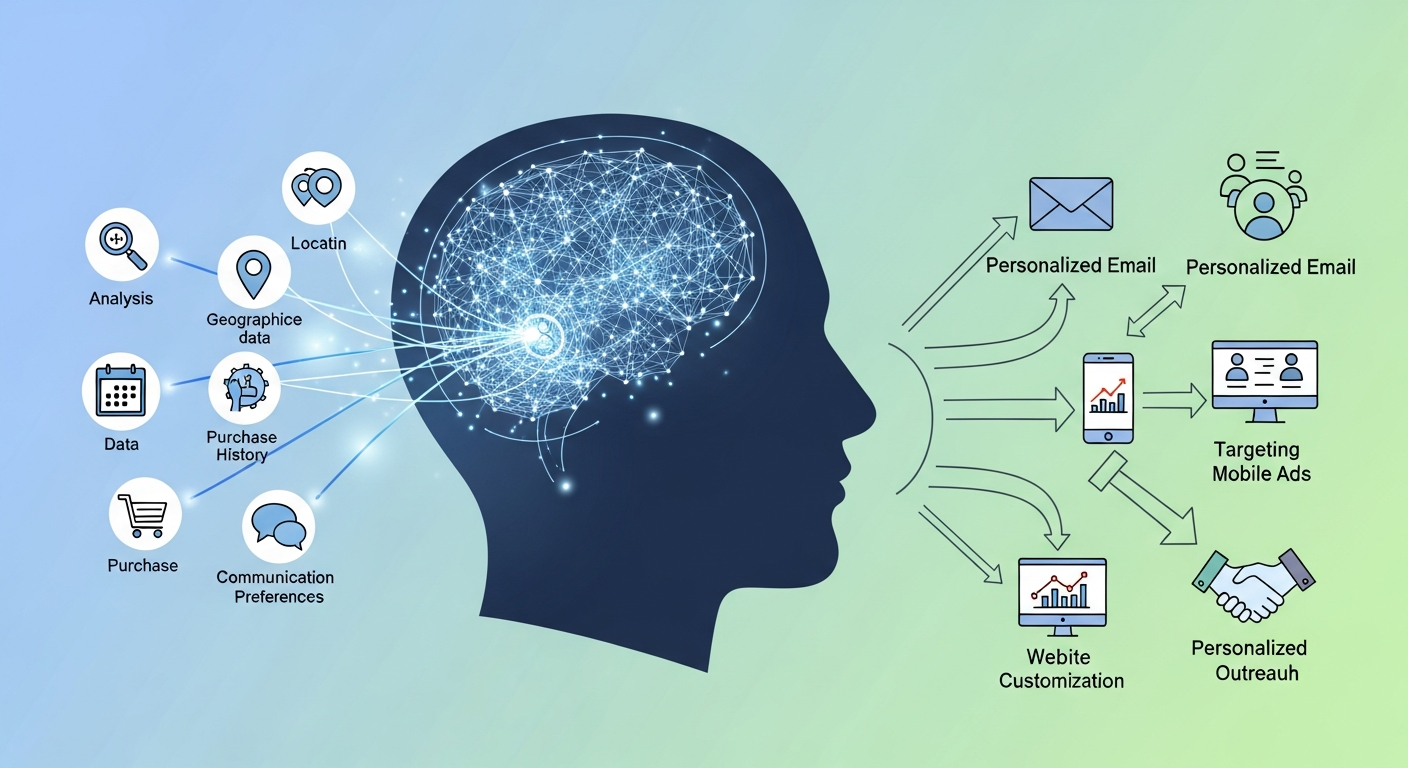
Traditional personalization typically stops at basic tactics, such as inserting a recipient’s name or referencing a previous download. Hyper-personalization, however, goes much deeper by leveraging AI algorithms to analyze a wide range of behavioral and contextual data, including browsing patterns, purchase histories, engagement frequency, and even sentiment from social media interactions. By creating dynamic lead profiles, marketers can segment audiences into micro-groups—or even down to individual personas—ensuring each interaction is highly relevant. This level of precision allows your outreach to resonate personally with every prospect, resulting in higher open rates, increased click-throughs, stronger engagement, and ultimately, better conversion performance across all marketing channels. Learn more about Unlocking the Power of Interactive Content for Lead Generation.
- Behavioral data: Tracking how prospects interact with content, products, and customer support.
- Predictive signals: Using machine learning to forecast when a prospect is most likely to convert.
- Contextual triggers: Adjusting messaging based on time of day, device, or location.
The Role of AI in Email Personalization
Email remains one of the most powerful channels for lead generation, but generic, one-size-fits-all campaigns often get ignored or deleted. AI transforms email marketing by analyzing prospect behavior, engagement patterns, and content preferences to deliver highly personalized, timely, and relevant messages. By leveraging AI, brands can optimize every aspect of their campaigns, from subject lines to content recommendations and send times, ensuring higher engagement and conversion rates.
1. Dynamic Subject Lines
AI can automatically test multiple subject line variations and predict which will generate the highest open rates for each individual recipient. Instead of relying on guesswork or A/B testing limited to a small audience, AI continuously learns from past performance, refining subject lines to maximize attention and clicks.
2. Personalized Content Recommendations
AI platforms can recommend content—such as blog posts, whitepapers, webinars, or case studies—tailored to each prospect’s interests, industry, role, or recent interactions. This ensures that every email feels relevant, increasing the likelihood that the recipient engages with the message and moves further down the sales funnel.
3. Send-Time Optimization
The timing of an email can significantly affect open and click-through rates. AI identifies the optimal time to send emails for each prospect based on historical engagement patterns, time zones, and device usage. This ensures messages arrive when recipients are most likely to read and act on them.
4. Automated Personal Copy Snippets
Advanced AI tools can generate personalized snippets within email content, referencing a prospect’s recent activity, role, or previous interactions with your brand. This level of personalization makes the communication feel one-on-one, improving trust and driving conversions.
By incorporating AI into email personalization, businesses can move beyond generic campaigns to deliver relevant, timely, and actionable messaging at scale. The result is higher engagement, improved lead quality, and a measurable increase in conversions and ROI.
Leveraging Dynamic Website Content for Individual Visitors
Static landing pages no longer suffice when visitors expect personalized experiences from the moment they arrive. AI can detect returning visitors, referral sources, and even search keywords to adjust headlines, banners, and calls-to-action dynamically. For example, a returning prospect who previously viewed pricing might see a pop-up offering a free demo, while a new reader gets an eBook download prompt.
Implementing dynamic on-site content involves integrating AI widgets or tag-based rules in your CMS. Over time, the system refines its personalization logic based on real performance data, continually improving engagement metrics and lead capture rates.
AI-Powered Chatbots and Conversational Marketing
Chatbots have evolved from simple Q&A modules to intelligent conversational agents capable of qualifying leads in real time. By pulling data from your CRM, website analytics, and previous chat interactions, AI chatbots can greet visitors by name, recommend relevant resources, and schedule meetings with sales reps—all without human intervention.
- 24/7 availability: Capturing leads across time zones and outside business hours.
- Contextual handoff: Seamlessly transferring qualified leads to human agents with full conversation transcripts.
- Lead enrichment: Automatically appending firmographic or social data to new lead records.
Predictive Lead Scoring for Prioritized Outreach
Hyper-personalization shifts the focus from simply generating a large volume of leads to prioritizing lead quality, engagement, and conversion efficiency. To evaluate the effectiveness of your AI-driven strategies, it’s essential to track the right Key Performance Indicators (KPIs) and metrics:
1. Qualified Lead Rate
This metric measures the percentage of leads that meet your ideal customer profile (ICP). By tracking qualified leads instead of total leads, you can focus on prospects who are most likely to convert, ensuring your sales team spends time on high-value opportunities.
2. Conversion Velocity
Conversion velocity tracks the average time it takes for a lead to move from initial touchpoint to opportunity creation or sale. Faster conversion cycles indicate that your hyper-personalized content and outreach are effectively guiding prospects through the buyer journey.
3. Engagement Depth
Engagement depth reflects how thoroughly leads interact with your content. Metrics include pages per session, time on site, content consumption patterns, and repeat visits. Higher engagement indicates that your messaging resonates with prospects and keeps them actively involved with your brand.
4. Customer Acquisition Cost (CAC)
CAC measures the total marketing and sales spend divided by the number of new customers acquired. Monitoring CAC ensures that your hyper-personalized campaigns are cost-effective and deliver a positive return on investment.
5. Additional Metrics to Consider
In addition to core KPIs, tracking supplementary metrics helps you gain a more comprehensive view of your hyper-personalized campaigns’ effectiveness:
Click-Through Rate (CTR)
CTR measures the percentage of recipients who clicked on a link within emails, ads, or other digital content. It helps evaluate the effectiveness of your messaging, calls-to-action, and content relevance. Higher CTRs indicate that your personalized outreach is compelling and resonates with your audience.
Lead-to-Customer Ratio
This metric tracks how many leads ultimately convert into paying customers, providing a clear picture of your sales funnel’s efficiency. By analyzing this ratio, you can identify bottlenecks in the lead journey and adjust your personalization strategies to improve conversion rates.
Content Effectiveness
Assessing content effectiveness involves evaluating which pieces of content generate the most engagement, leads, or conversions. AI-powered analytics can identify high-performing assets, allowing you to replicate successful patterns and optimize future campaigns.
Continuous Optimization
By consistently monitoring these additional metrics alongside core KPIs, businesses can refine AI-driven personalization strategies, optimize marketing spend, and improve overall lead quality and conversion performance. This ongoing analysis ensures that your hyper-personalized campaigns evolve with your audience’s preferences and behavior.
Integrating AI Personalization with CRM and Marketing Automation

For hyper-personalization to scale, AI insights must flow seamlessly between your marketing automation platform and CRM. Bi-directional integration allows behavioral data to trigger workflows, update lead scores, and segment audiences automatically. This unified data layer powers more precise ad targeting, smarter nurture campaigns, and real-time alerts for sales reps when a hot lead takes a key action.
Best practices for integration:
- Data hygiene: Regularly clean and dedupe records to ensure model accuracy.
- Consistent tagging: Use standardized UTM parameters and event names across channels.
- Workflow audits: Periodically review automation rules and AI recommendations to avoid outdated logic.
Measuring Success: KPIs and Metrics to Track
Hyper-personalization shifts the focus from simply generating a large volume of leads to prioritizing lead quality, engagement, and conversion efficiency. To evaluate the effectiveness of your AI-driven strategies, it’s essential to track the right Key Performance Indicators (KPIs) and metrics:
1. Qualified Lead Rate
This metric measures the percentage of leads that meet your ideal customer profile (ICP). By tracking qualified leads instead of total leads, you can focus on prospects who are most likely to convert, ensuring your sales team spends time on high-value opportunities.
2. Conversion Velocity
Conversion velocity tracks the average time it takes for a lead to move from initial touchpoint to opportunity creation or sale. Faster conversion cycles indicate that your hyper-personalized content and outreach are effectively guiding prospects through the buyer journey.
3. Engagement Depth
Engagement depth reflects how thoroughly leads interact with your content. Metrics include pages per session, time on site, content consumption patterns, and repeat visits. Higher engagement indicates that your messaging resonates with prospects and keeps them actively involved with your brand.
4. Customer Acquisition Cost (CAC)
CAC measures the total marketing and sales spend divided by the number of new customers acquired. Monitoring CAC ensures that your hyper-personalized campaigns are cost-effective and deliver a positive return on investment.
5. Additional Metrics to Consider
- Click-through Rate (CTR): Measures the percentage of recipients who clicked on a link in emails or ads.
- Lead-to-Customer Ratio: Tracks how many leads successfully convert into paying customers.
- Content Effectiveness: Assesses which pieces of content generate the most engagement, leads, or conversions.
By regularly monitoring these KPIs, businesses can refine AI-driven personalization strategies, optimize marketing spend, and continuously improve lead quality and conversion performance.
Best Practices and Ethical Considerations

While AI makes personalization powerful, it also raises privacy and data security concerns. Always obtain explicit consent for data collection, be transparent about how you use personal information, and comply with regulations like GDPR and CCPA. Additionally, avoid over-personalization that can feel intrusive—strike the right balance by focusing on genuine value and relevance.
Implementing AI-driven hyper-personalization comes with responsibilities to protect user privacy, maintain trust, and ensure fairness. Key ethical guidelines include:
1. Consent Management
Always provide clear opt-in and opt-out options for users. Ensure that prospects understand what data is being collected and how it will be used, giving them full control over their personal information. Transparent consent practices build trust and help comply with regulations like GDPR and CCPA.
2. Data Minimization
Collect only the information necessary to deliver personalized experiences. Avoid gathering excessive or irrelevant data, which can increase privacy risks and complicate compliance. Focus on data that genuinely improves the relevance and value of your marketing outreach.
3. Bias Audits
Regularly review AI models to ensure fair treatment across all demographics. AI systems can unintentionally perpetuate biases present in historical data, so periodic audits and corrective measures are essential to maintain equity and avoid discriminatory outcomes in lead scoring, content recommendations, or targeting.
By following these guidelines, businesses can leverage AI-driven hyper-personalization responsibly, delivering tailored experiences that respect privacy, promote fairness, and maintain user trust.
Conclusion
Hyper-personalization powered by AI represents the future of lead generation, offering businesses the ability to connect with prospects on an individual level like never before. By leveraging predictive analytics, companies can anticipate customer needs, behaviors, and preferences, ensuring that every interaction is relevant and timely. Dynamic content allows marketers to tailor messaging across emails, websites, and other channels, creating experiences that feel personal and engaging. Real-time personalization further enhances this approach by adapting communications instantly based on prospect actions, context, and interactions. The outcome is not just a higher volume of leads, but a greater proportion of qualified opportunities, improved conversion rates, and measurable ROI. Organizations that adopt these AI-driven strategies position themselves to outperform competitors, build stronger relationships with prospects, and transform their lead generation engine into a finely tuned, efficient, and highly effective conversion machine.
Frequently Asked Questions (FAQs)
1. What is hyper-personalization in lead generation?
Hyper-personalization in lead generation uses artificial intelligence, real-time data, and advanced analytics to deliver highly customized content, offers, and messaging to individual prospects. Unlike basic personalization, it adapts dynamically based on user behavior, intent signals, preferences, and interaction history to create one-to-one experiences at scale.
2. Why is hyper-personalization important for modern marketing?
In today’s crowded digital landscape, generic messaging no longer performs. Hyper-personalization increases relevance by delivering the right message at the right moment, improving engagement, boosting conversion rates, reducing acquisition costs, and helping brands stand out in competitive markets.
3. How does AI enable hyper-personalization?
AI enables hyper-personalization by analyzing large volumes of behavioral, demographic, and contextual data in real time. Machine learning models identify patterns, predict intent, automate decision-making, and continuously optimize content, timing, and channel selection across the customer journey.
4. How does hyper-personalization improve lead quality?
By leveraging predictive analytics and behavioral insights, hyper-personalization filters out low-intent prospects and prioritizes high-value leads. This ensures marketing and sales teams focus on prospects most likely to convert, improving efficiency and pipeline quality.
5. What is predictive lead scoring and why is it important?
Predictive lead scoring uses AI to evaluate a prospect’s likelihood of conversion based on historical data, engagement patterns, and intent signals. It replaces static scoring models with dynamic, data-driven prioritization, helping sales teams close deals faster.
6. Which channels support AI-driven hyper-personalization?
AI-powered hyper-personalization works across multiple channels, including email marketing, dynamic websites, chatbots, paid ads, CRM systems, marketing automation platforms, and customer support tools—ensuring a consistent and tailored experience everywhere.
7. How does hyper-personalization impact conversion rates?
Personalized experiences reduce friction in the buyer journey by presenting relevant content, offers, and calls-to-action. This increases engagement depth, shortens sales cycles, improves trust, and ultimately drives higher conversion rates.
8. Can small businesses use hyper-personalization effectively?
Yes. Many modern AI tools are affordable, scalable, and designed for small and mid-sized businesses. Even simple implementations—such as personalized email workflows or chatbot interactions—can deliver measurable ROI without large budgets.
9. How is hyper-personalization different from traditional personalization?
Traditional personalization relies on basic data like names or past purchases. Hyper-personalization goes further by using real-time behavior, predictive insights, and contextual signals to adapt messaging instantly for each individual prospect.
10. Is hyper-personalization safe for user privacy?
When implemented responsibly, hyper-personalization is safe. Ethical practices include obtaining explicit consent, minimizing data collection, ensuring transparency, complying with GDPR and CCPA, and regularly auditing AI systems for bias and accuracy.
11. How do you measure the success of hyper-personalization?
Success is measured using KPIs such as qualified lead rate, engagement depth, conversion velocity, click-through rate (CTR), customer acquisition cost (CAC), lead-to-customer ratio, and overall ROI from personalized campaigns.
12. What are the biggest challenges of implementing hyper-personalization?
Common challenges include data quality issues, system integration, privacy compliance, and over-personalization. These can be addressed through strong data hygiene, CRM integration, ethical AI practices, and continuous performance monitoring.


Leave a Reply