


In today’s digital landscape, businesses are continually seeking innovative methods to capture attention and convert prospects into loyal customers. One of the most powerful tactics available this year (2026) is webinar marketing for lead generation. Live webinars provide an unparalleled opportunity to engage audiences in real time, foster meaningful interaction, and showcase expertise in a way that static content simply can’t match. Unlike pre-recorded videos where viewers passively consume information, webinars invite participants to ask questions, share feedback, and become active contributors to the conversation.
As organizations aim to stand out in a crowded market, leveraging webinars can be a game changer. When executed effectively, a well-structured webinar not only educates potential customers but also nurtures relationships, builds trust, and drives highly qualified leads. From selecting the ideal topic to promoting the event, conducting a smooth session, and following up strategically, each step plays a critical role in maximizing your webinar marketing for lead generation efforts.
This comprehensive guide will walk you through every phase of planning, promoting, executing, and optimizing webinars to ensure you consistently attract engaged participants and convert them into meaningful leads. By incorporating best practices, data-driven techniques, and expert insights—along with credible resources like CDC and Harvard University studies—you’ll be equipped to harness the full potential of webinars today.
Why Webinar Marketing Drives More Leads
Webinars have emerged as a cornerstone of effective online marketing because they combine in-depth content delivery with real-time interaction. Rather than relying on text-heavy blog posts or on-demand videos that lack direct engagement, live sessions prompt attendees to stay fully invested from start to finish. Research indicates that participants register their contact information and listen attentively, leading to richer prospect data and higher conversion rates.
First, webinars capture attention through immersive presentations. When an expert steps in front of a live audience, the perceived value increases dramatically. Attendees allocate dedicated time, mentally commit to the session, and anticipate valuable takeaways. This heightened engagement sets the stage for deeper connections and trust building—two essential ingredients for converting leads into paying customers.
Second, webinar marketing positions your brand as an authority. Whether you’re demonstrating a product, sharing industry insights, or solving a pressing challenge, a live presentation conveys confidence and credibility. According to a recent study from a leading research institution, interactive experiences like webinars can boost brand recall by over 70%. When participants associate your organization with expertise, they’re more likely to return to your site, download resources, and request additional consultations.
Third, the registration process itself is a goldmine for lead generation. By gating access behind a simple form, you gather essential contact details—names, email addresses, job titles, and more. These data points help you tailor follow-up communications, segment lists, and nurture prospects along customized buyer journeys. When integrated with a CRM or marketing automation platform, webinar leads seamlessly flow into targeted campaigns designed to accelerate decision-making.
Finally, live polls, Q&A segments, and chat functions provide real-time feedback on audience pain points and interests. This direct insight allows you to refine messaging, address objections immediately, and deliver content that resonates deeply. Coupled with post-event analytics—such as attendance rates, engagement metrics, and conversion ratios—webinars offer a clear roadmap for continuous improvement, ensuring each subsequent event outperforms the last.
Planning Your Webinar with Precision

Successful webinar marketing for lead generation begins long before the camera turns on. Meticulous planning ensures every element aligns with your objectives and audience expectations. Start by defining your primary goal: Is it to demonstrate a new software feature, educate prospects on best practices, or position your team as industry thought leaders? Identifying a clear purpose guides your content creation, promotional strategy, and follow-up approach.
Next, narrow down your target audience. Instead of aiming broadly, focus on a specific buyer persona—such as marketing managers at mid-size SaaS firms or HR directors in healthcare organizations. This precision enables you to tailor language, visuals, and examples to resonate with attendees’ unique challenges. When people see that your webinar directly addresses their concerns, registration and attendance rates tend to skyrocket.
Choosing a compelling topic is equally crucial. Dive into keyword research and social listening to uncover trending questions or pain points. If your data reveals frequent queries about improving email open rates, craft a title like “5 Proven Strategies to Double Your Open Rates in 30 Days” rather than a generic label. A highly relevant topic not only captures attention but also positions your event as a solution-oriented experience that cannot be missed.
Decide on the session format based on your objectives. Single-presenter webinars work well for deep dives into technical subjects, while panel discussions offer varied perspectives and dynamic interactions. Interviews with industry experts can lend additional credibility and draw in followers of the guest speaker. For a global or geographically dispersed audience, consider hosting multiple time slots or offering on-demand replays—just ensure you communicate these options clearly during registration.
Finally, set a date and time that aligns with attendee availability. If your primary audience is spread across different time zones, use analytics from previous events or website traffic patterns to identify peak engagement windows. Midweek slots, around mid-afternoon in your audience’s time zone, often yield the highest turnout. Once you’ve locked in details, build a shared project plan with deadlines for content creation, tech checks, promotional milestones, and rehearsal sessions to keep your team on track.
Proven Promotion Strategies for Maximum Reach
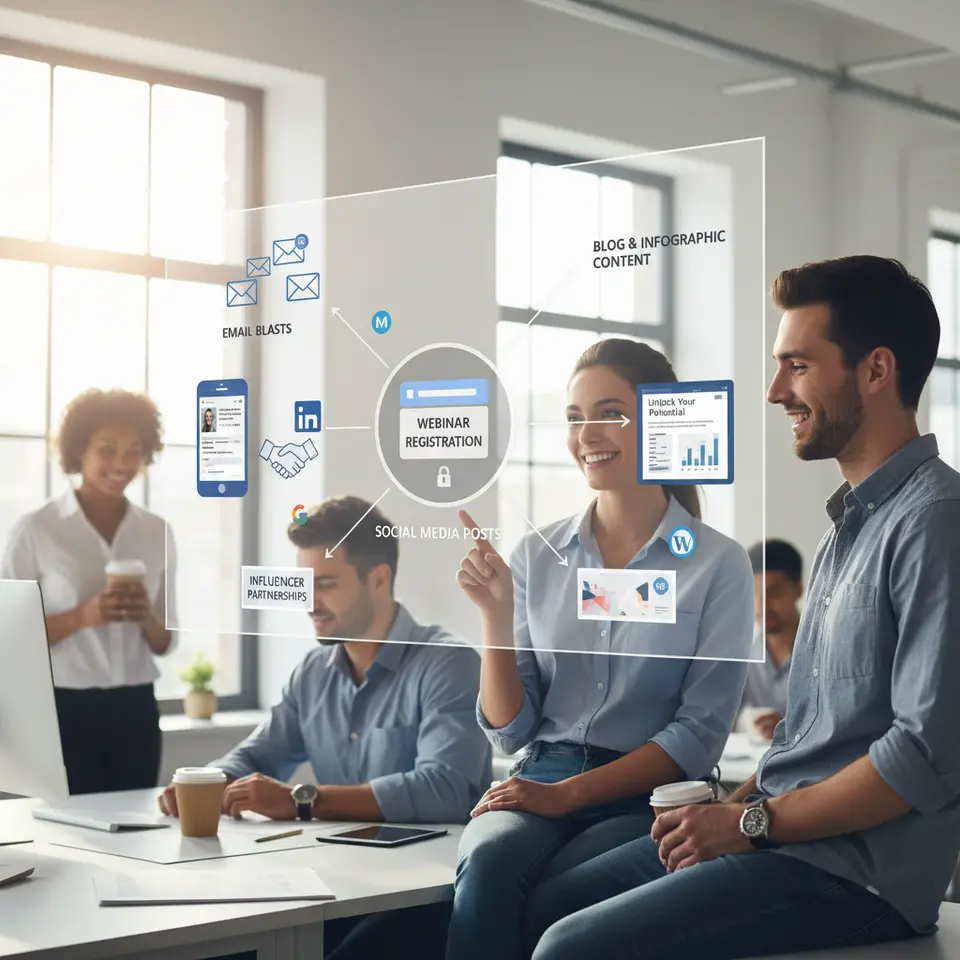
Even the most outstanding webinar will falter without robust promotion. A multi-channel approach ensures you tap into every potential touchpoint—email, social platforms, partnerships, and paid ads. Start your promotional runway at least three weeks before the event date to give prospects ample notice and multiple reminders.
Email marketing remains one of the most effective channels for webinar outreach. Segment your audience by persona and engagement level, then craft a series of targeted messages. The initial invitation should clearly outline the topic’s relevance and key takeaways, while subsequent reminders can highlight additional incentives—such as exclusive resources, early-bird bonuses, or guest speaker credentials. Schedule reminder emails one week, one day, and one hour before the session begins to minimize no-shows.
On social media, leverage native event tools and organic posts. Create an event page on LinkedIn and Facebook, complete with visuals, descriptions, and registration links. Use short teaser videos or speaker interviews to generate excitement. Encourage your team members and influencers to share posts within relevant groups, and use targeted hashtags to extend reach. Platforms like Twitter and Instagram Stories can provide countdown stickers that foster anticipation.
Partner and influencer collaborations can exponentially amplify visibility. Identify industry associations, complementary solution providers, or thought leaders whose audiences overlap with yours. Offer webinar co-hosting opportunities or affiliate incentives for registrations. When an established third party endorses your event, it lends credibility and introduces your brand to new prospects.
Paid advertising rounds out your promotional arsenal. Run hyper-targeted campaigns on platforms like LinkedIn Ads and Google Ads, focusing on job titles, industries, and interest-based custom audiences. Use clear, action-driven ad copy that emphasizes urgency—such as limited seats or bonus materials—to drive clicks. Monitor ad performance daily and reallocate budget to high-performing creatives or audiences to optimize results.
Lastly, support your efforts with content marketing. Publish related blog posts, infographics, or short videos that address snippets of the webinar topic. Within each asset, include a call-to-action directing readers to register. This approach not only nurtures prospects ahead of the live session but also boosts organic search visibility by reinforcing the core keyword, webinar marketing for lead generation.
Selecting the Optimal Platform and Structuring Engaging Content
With promotion underway, it’s time to lock in the technical foundation and design a content flow that keeps attendees hooked. Choosing the right webinar platform is essential. Evaluate solutions based on five critical criteria: capacity, interactivity, recording capabilities, integrations, and ease of use. A platform that supports robust polling, Q&A features, and automated reminders will streamline your production and boost engagement.
Once you’ve selected a platform, turn your attention to crafting an engaging agenda. Begin with a strong opening: introduce your speaker(s), present a striking statistic or anecdote, and clearly outline the session agenda. This initial “hook” reassures attendees they’re in the right place and sets expectations for what they’ll learn.
Break your core presentation into three to five focused segments. For each segment, incorporate real-life case studies or data-driven insights. Visuals should be high-quality and uncluttered—use one key point per slide to avoid overwhelming viewers. Whenever possible, demonstrate tools or processes in real time to enhance authenticity.
Interactive elements are the backbone of engagement. Plan at least two live polls or one quick quiz to solicit feedback and keep energy levels high. Schedule a dedicated Q&A block toward the end, inviting participants to submit questions via chat. Assign a moderator to sift through queries, prioritize the most relevant, and ensure the Q&A flows smoothly without derailing your timeline.
Your call-to-action should feel like a natural extension of the content, not a hard sell. Whether you’re offering a free trial, a downloadable resource, or an invitation to book a demo, make the next step crystal clear. Use clickable buttons or links directly in the chat and on-screen slides. Reinforce the offer verbally and in the closing slide to drive maximum conversions.
Executing Flawless Webinars and Maximizing Post-Event Impact
The day of the webinar is when your meticulous planning comes to life. Begin with a comprehensive technical rehearsal 24–48 hours before the event. Test audio levels, screen-sharing functionality, slide transitions, and polling features. Confirm that all presenters have stable internet connections and that backups are in place—such as a secondary laptop or mobile hotspot—in case of technical hiccups.
During the live session, maintain a dynamic pace. Your moderator should manage chat interactions, address technical questions, and relay audience feedback to the speaker discreetly. Encourage attendees to introduce themselves in the chat, fostering a sense of community. Acknowledge participants by name when addressing their questions to personalize the experience.
After the presentation, transition smoothly into the Q&A segment, allocating at least 10–15 minutes. If time runs short, promise to follow up individually after the webinar. This commitment demonstrates attentiveness and enables deeper one-on-one conversations that often lead to sales opportunities.
Once the event concludes, initiate your post-webinar follow-up sequence without delay. Within the first hour, send a thank-you email containing the replay link, slide deck, and any promised resources. Restate your call-to-action and provide direct access to the next step—whether that’s scheduling a demo, downloading an eBook, or accessing an exclusive offer.
Next, promote the recorded version to capture additional leads. Gate the on-demand replay behind a brief form to gather registrations from people who missed the live session. Continue nurturing both live attendees and on-demand viewers through a drip email campaign. Tailor content based on engagement—include answers to popular poll questions or deeper dives into topics that generated high interest.
Finally, measure your webinar’s success using key performance indicators: registration rate, attendance rate, average watch time, engagement metrics (poll participation, chat activity), and conversion rate for your primary call-to-action. Analyze which promotional channels drove the most qualified leads, and collect feedback via post-event surveys to identify areas for improvement. By iterating on these insights, you’ll continuously enhance the effectiveness of your webinar marketing for lead generation initiatives.

Conclusion
Webinar marketing for lead generation offers a scalable, cost-effective channel to educate prospects, build authority, and convert engaged audiences into qualified leads. In today’s competitive environment, leveraging live events allows brands to stand out by delivering real-time value and personalized engagement. By following this end-to-end framework—defining clear objectives, pinpointing your target audience, executing strategic promotion, selecting the right platform, delivering compelling content, and optimizing through data-driven follow-up—you can unlock the full potential of webinars this year .As you refine your approach, remember that each webinar is an opportunity to learn and grow. Monitor your metrics diligently, solicit participant feedback, and embrace continuous improvement. With consistency and attention to detail, webinar marketing will become one of your most reliable methods for generating high-quality leads and driving sustainable revenue growth in today’s digital landscape.
FAQ
1. What is webinar marketing for lead generation?
Webinar marketing for lead generation is the process of hosting live or recorded online events to educate prospects while collecting their contact details. Businesses use webinars to build trust, showcase expertise, answer questions, and guide attendees toward actions such as booking demos, consultations, or downloading resources afterward.
2. Why are webinars effective for generating leads?
Webinars work well because they combine education with direct interaction. Attendees willingly register, showing clear interest in the topic. Live chat, polls, and Q&A create engagement while giving marketers valuable data. This makes webinar leads more qualified and easier to nurture into paying customers later.
3. How often should businesses host webinars?
Most businesses begin with one webinar each month or every two months. Consistency matters more than frequency. A regular schedule helps audiences anticipate future sessions and builds trust over time. Review attendance rates, engagement levels, and team capacity before deciding whether to increase webinar frequency.
4. What is the best length for a webinar?
The ideal webinar length is usually 45 to 60 minutes, including a question-and-answer session. This gives enough time to provide valuable insights without losing audience attention. For technical or training topics, slightly longer sessions may work if content remains engaging and interactive throughout.
5. How do I choose the right webinar topic?
Choose topics based on audience pain points, industry trends, and common customer questions. Use keyword research, surveys, sales feedback, and support tickets to identify interests. Strong webinar topics promise practical solutions, clear benefits, and timely insights that encourage people to register quickly.
6. How can I increase webinar registrations?
Boost registrations through email campaigns, social media promotion, landing pages, and paid ads. Highlight speaker expertise, learning outcomes, and limited availability. Send reminder emails before the event. Partnering with influencers or industry brands can also expand reach and bring highly relevant attendees.
7. What tools are best for hosting webinars?
Popular webinar platforms include Zoom, GoTo Webinar, Microsoft Teams, and WebinarJam. Choose a platform with strong video quality, screen sharing, polls, recording options, analytics, and CRM integrations. Ease of use for both presenters and attendees should also guide your final decision.
8. How do I keep attendees engaged during webinars?
Use interactive tactics such as polls, live chat, quizzes, Q&A sessions, and case studies. Keep slides visual and avoid excessive text. Speak conversationally, maintain strong pacing, and involve attendees throughout the session. Frequent interaction helps reduce drop-offs and improves lead conversion potential.
9. What should I do after the webinar ends?
Send follow-up emails within 24 hours containing the replay link, slides, and bonus resources. Segment attendees and no-shows into separate campaigns. Offer demos, consultations, or additional content based on engagement levels. Fast, personalized follow-up significantly increases conversions from webinar-generated leads.
10. Which metrics measure webinar success best?
Track registrations, attendance rate, watch time, poll participation, chat activity, CTA clicks, and conversions. Measure lead quality through booked calls or purchases. Compare results across webinars to identify winning topics, channels, and formats. Data-driven optimization helps improve future webinar performance consistently.



Leave a Reply