

Lead generation platforms help businesses attract, capture, and nurture qualified prospects through automation and data-driven strategies. By supporting multi-channel outreach, lead scoring, and CRM integration, these tools improve efficiency and conversion rates. Choosing the right platform ensures consistent lead flow, better sales alignment, and scalable business growth.
Finding potential customers used to mean cold calling from phone books or knocking on doors. Those days are long gone. Modern businesses need smarter, more efficient ways to identify and connect with prospects who are actually interested in their products or services.
Lead generation platforms have transformed how companies build their sales pipelines. These tools help businesses attract, capture, and nurture potential customers through various digital channels. Whether you’re a startup looking to gain traction or an established company aiming to scale, the right lead generation platform can make the difference between struggling to find prospects and having a steady stream of qualified leads.
What Are Lead Generation Platforms?
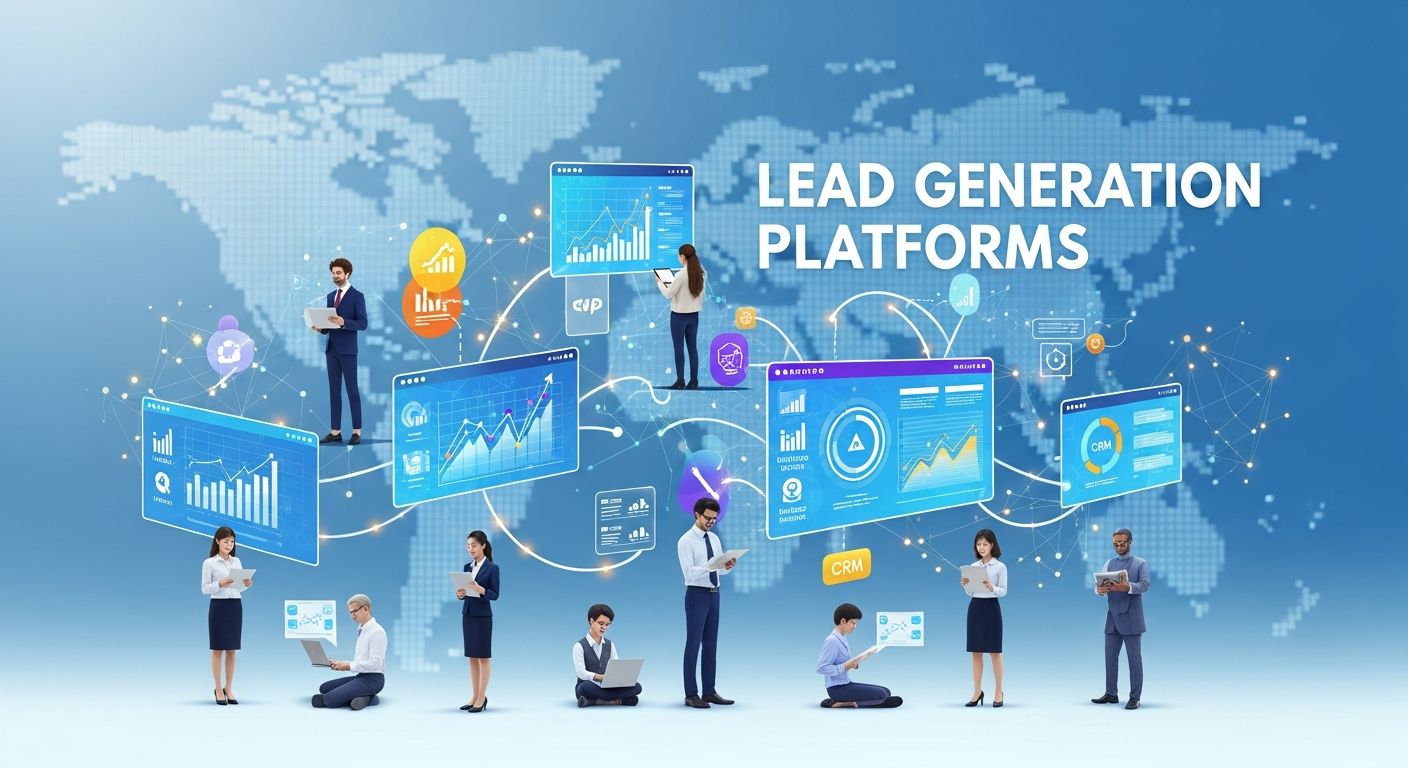
Lead generation platforms are software tools designed to help businesses identify, attract, and capture potential customers. These platforms combine various marketing techniques such as email marketing, social media outreach, content marketing, and data analytics to create a systematic approach to finding new prospects.
Most platforms work by automating repetitive tasks involved in lead generation, such as finding contact information, sending personalized outreach emails, or tracking prospect engagement. They typically integrate with customer relationship management (CRM) systems to ensure leads are properly managed and followed up on.
The best lead generation platforms offer features like lead scoring, which helps prioritize the most promising prospects, and detailed analytics that show which strategies are working best for your business.
Top Lead Generation Platforms by Category
Email Marketing and Outreach
HubSpot
HubSpot offers a comprehensive suite of marketing tools with powerful lead generation capabilities. The platform excels at inbound marketing, helping businesses create content that attracts prospects naturally. Its free CRM integrates seamlessly with lead capture forms, email marketing campaigns, and detailed analytics.
Key strengths include its user-friendly interface, extensive template library, and robust automation features. HubSpot works particularly well for businesses that want an all-in-one solution for marketing, sales, and customer service.
Mailchimp
Known primarily for email marketing, Mailchimp has evolved into a full marketing platform with strong lead generation features. The platform offers landing page builders, audience segmentation tools, and automation workflows that help convert visitors into leads.
Mailchimp’s strength lies in its simplicity and affordability, making it ideal for small businesses and startups. The platform’s audience insights help businesses understand their prospects better and create more targeted campaigns.
Social Media Lead Generation
LinkedIn Sales Navigator
For B2B businesses, LinkedIn Sales Navigator stands out as one of the most effective lead generation tools. The platform leverages LinkedIn’s professional network to help sales teams identify and connect with decision-makers at target companies.
Sales Navigator provides advanced search filters, lead recommendations, and insights about prospect activity. Its InMail feature allows direct messaging to prospects outside your network, significantly expanding your outreach potential.
Facebook Lead Ads
Facebook’s lead generation tools excel at capturing prospects through social media advertising. Lead Ads allow businesses to collect contact information directly within Facebook, reducing friction in the lead capture process.
The platform’s detailed targeting options help businesses reach specific demographics, interests, and behaviors. Integration with CRM systems ensures leads are automatically added to your sales pipeline.
All-in-One Marketing Platforms
Marketo
Marketo, now part of Adobe, offers enterprise-level marketing automation with sophisticated lead generation capabilities. The platform excels at lead scoring, nurturing campaigns, and attribution tracking across multiple touchpoints.
While more complex than other solutions, Marketo provides unmatched depth in campaign automation and lead management. It’s best suited for larger organizations with dedicated marketing teams.
Pardot
Salesforce’s B2B marketing automation platform, Pardot, integrates seamlessly with Salesforce CRM. The platform offers lead scoring, progressive profiling, and advanced email marketing features designed specifically for B2B sales cycles.
Pardot’s strength lies in its tight integration with Salesforce and its focus on account-based marketing strategies.
Key Features to Look for in Lead Generation Platforms
Lead Capture and Forms
Effective lead generation starts with capturing prospect information efficiently. Look for platforms that offer customizable forms, landing page builders, and popup tools. The best platforms provide A/B testing capabilities to optimize form conversion rates.
Consider platforms that offer progressive profiling, which gradually collects more information about prospects over time without overwhelming them with lengthy forms initially.
Data Quality and Enrichment
High-quality data is crucial for successful lead generation. Choose platforms that provide data enrichment services, automatically filling in additional information about prospects such as company details, job titles, and social media profiles.
Look for tools that maintain data hygiene by identifying and removing duplicate entries, validating email addresses, and keeping contact information up to date.
Integration Capabilities
Your lead generation platform should integrate seamlessly with your existing marketing and sales tools. Check for native integrations with your CRM, email marketing software, and analytics platforms.
API access is important for businesses with custom systems or specific integration requirements. The easier it is to connect your lead generation platform with other tools, the smoother your lead management process will be.
Analytics and Reporting
Comprehensive analytics help you understand which lead generation strategies are working and which need improvement. Look for platforms that provide detailed reports on lead sources, conversion rates, and campaign performance.
Attribution tracking is particularly valuable, showing how different marketing touchpoints contribute to lead generation and eventual sales.
How to Choose the Right Platform for Your Business
Define Your Lead Generation Goals
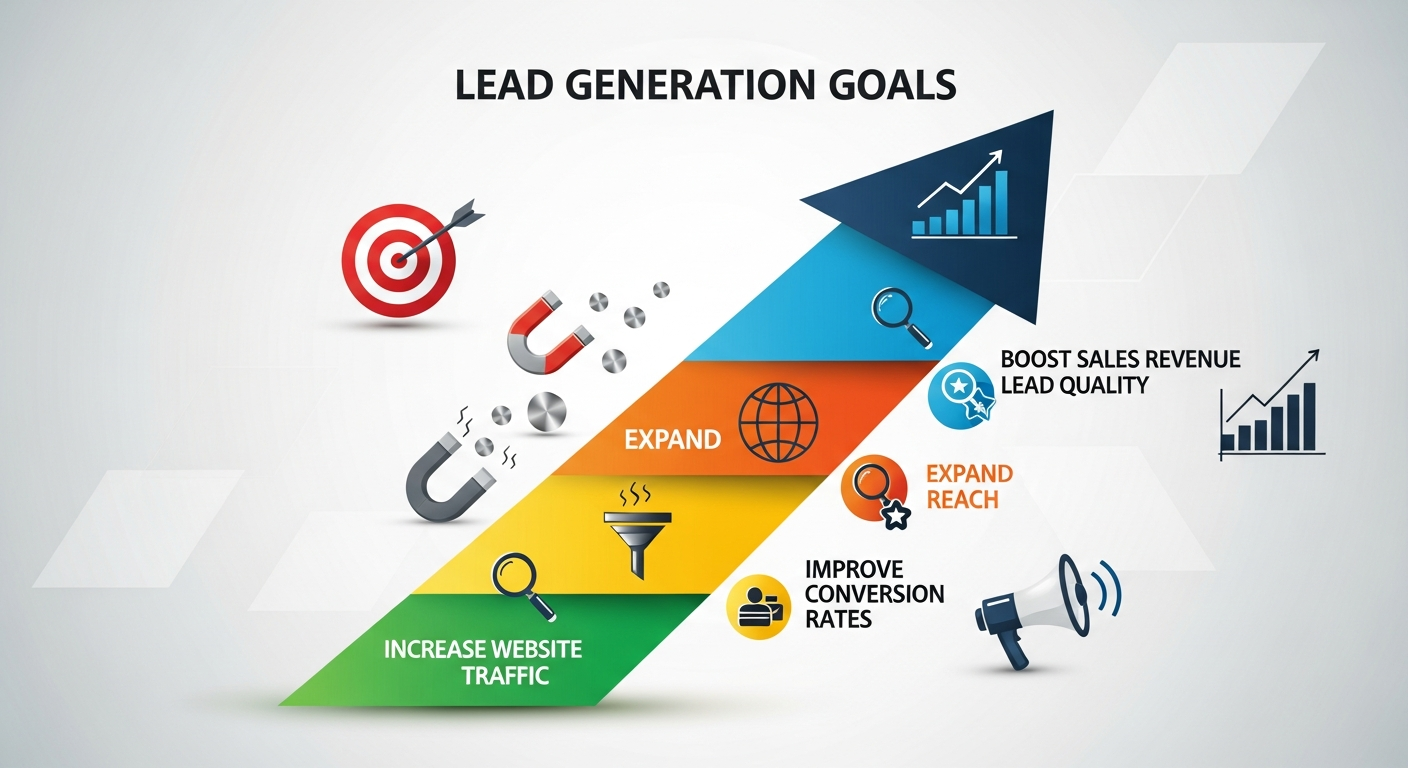
Start by clearly identifying what you want to achieve with lead generation. Are you looking to increase website traffic, capture more email subscribers, or generate qualified sales leads? Different platforms excel at different types of lead generation.
Consider your target audience and where they spend their time online. B2B companies might benefit more from LinkedIn-focused tools, while B2C businesses could see better results from social media advertising platforms.
Assess Your Budget and Resources
Lead generation platforms vary significantly in pricing and complexity. Evaluate not just the software cost but also the time and expertise required to use the platform effectively.
Some platforms require minimal setup and can be managed by small teams, while others need dedicated specialists to maximize their potential. Factor in training costs and ongoing management time when making your decision.
Consider Your Technical Requirements
Evaluate your technical infrastructure and determine what level of complexity you can handle. Some platforms offer simple drag-and-drop interfaces, while others require more technical expertise to implement advanced features.
Think about scalability as well. Choose a platform that can grow with your business and handle increased lead volumes as your marketing efforts expand.
Maximizing Your Lead Generation Platform Investment
Focus on Lead Quality Over Quantity
While it’s tempting to generate as many leads as possible, focus on attracting prospects who are genuinely interested in your products or services. Use lead scoring features to identify the most promising prospects and prioritize follow-up efforts.
Implement proper lead qualification processes to ensure your sales team spends time on leads with real potential rather than chasing uninterested prospects.
Optimize Your Lead Nurturing Process
Lead generation doesn’t end with capturing contact information. Develop automated nurturing campaigns that provide value to prospects over time, gradually building trust and moving them closer to a purchase decision.
Use behavioral triggers to send relevant content based on prospect actions, such as downloading specific resources or visiting certain web pages.
Regularly Review and Adjust Your Strategy
Lead generation is an ongoing process that requires constant optimization. Regularly review your campaign performance, test different approaches, and adjust your strategy based on results.
Stay updated with new features and capabilities as platforms evolve. Many lead generation tools regularly add new functionality that could benefit your campaigns.
Building Your Lead Generation Success

Lead generation platforms have become essential tools for businesses looking to grow their customer base efficiently. The key to success lies not just in choosing the right platform, but in implementing a comprehensive strategy that aligns with your business goals and target audience.
Start by clearly defining your lead generation objectives and understanding your ideal customer profile. This foundation will guide your platform selection and campaign development. Remember that the most expensive or feature-rich platform isn’t necessarily the best choice for your business – focus on finding the tool that best matches your needs, budget, and technical capabilities.
Take advantage of free trials and demos offered by most platforms to test their functionality before committing. Many businesses find success by starting with simpler tools and gradually moving to more sophisticated platforms as their needs evolve and their teams become more experienced with lead generation techniques.
Conclusion
Lead generation platforms have redefined how businesses attract and convert prospects. By combining automation, data analytics, and multi-channel outreach, these tools create predictable and scalable sales pipelines. Success depends on selecting the right platform, aligning it with business goals, and continuously optimizing performance. When used strategically, lead generation platforms drive sustainable growth and long-term customer relationships.
Frequently Asked Questions (FAQs)
What are lead generation platforms?
Lead generation platforms are software tools designed to help businesses identify, attract, and capture potential customers. They combine marketing techniques like email campaigns, social media outreach, content marketing, and data analytics to systematically generate leads. Many platforms also integrate with CRMs, track prospect engagement, and automate follow-ups, allowing businesses to streamline the lead acquisition process while focusing on qualified prospects.
How do lead generation platforms work?
Lead generation platforms work by automating the collection and management of prospect information. They use forms, landing pages, social media ads, and email campaigns to capture leads. Some platforms enrich data automatically, providing details like company size, job title, or social profiles. They also track engagement and activity, scoring leads based on interest and readiness, which helps sales teams prioritize outreach and increase conversion rates.
Are lead generation platforms suitable for startups?
Yes, lead generation platforms are particularly beneficial for startups. They help small teams reach and convert potential customers efficiently without extensive manual effort. Affordable and user-friendly tools allow startups to run automated campaigns, build pipelines, and test messaging. By focusing on high-intent prospects, startups can maximize limited marketing budgets while generating measurable results and building scalable sales processes.
What is the difference between inbound and outbound lead generation?
Inbound lead generation attracts prospects through content, SEO, social media, and organic engagement, encouraging them to engage voluntarily. Outbound lead generation, on the other hand, involves proactive outreach, such as cold emails, calls, or paid ads. Inbound builds long-term trust and authority, while outbound delivers immediate leads. The most effective strategies often combine both to balance quick results with sustainable growth.
Do lead generation platforms integrate with CRMs?
Yes, most lead generation platforms integrate with popular CRMs like Salesforce, HubSpot, and Zoho. Integration ensures that captured leads are automatically added to the CRM, reducing manual entry and preventing data loss. It also enables sales teams to track prospect activity, follow up efficiently, and maintain a complete view of the customer journey from first touch to conversion.
How important is lead scoring?
Lead scoring is critical for prioritizing prospects based on their likelihood to convert. Platforms assign values based on demographics, behavior, and engagement, allowing sales teams to focus on the most promising leads. Proper lead scoring improves efficiency, reduces wasted time on low-quality prospects, and increases close rates. It also helps marketing teams understand which campaigns generate the highest-value leads.
Can lead generation platforms improve sales productivity?
Absolutely. By automating tasks like data collection, follow-ups, and lead nurturing, platforms free sales teams to focus on high-value interactions. Prioritized lead lists, behavioral insights, and engagement tracking enable reps to approach prospects at the right time with relevant messaging. This reduces wasted effort, accelerates sales cycles, and ultimately improves overall productivity and revenue generation.
Are free lead generation tools effective?
Free tools can be effective, particularly for small businesses or startups with limited budgets. Many free platforms offer essential features like landing pages, forms, and email campaigns. However, they often lack advanced automation, analytics, or integration capabilities. Free tools are great for testing campaigns or building initial pipelines, but growing businesses may eventually require paid platforms for scalability and deeper insights.
How long does it take to see results?
The timeframe for results depends on factors such as the platform used, target audience, campaign type, and lead nurturing strategy. Some campaigns, especially outbound ones, can generate leads within days, while inbound strategies like content marketing may take weeks or months to gain traction. Consistency, testing, and ongoing optimization are key to achieving measurable results.
Do lead generation platforms support automation?
Yes, automation is a core feature of modern lead generation platforms. Automation can handle email sequences, lead scoring, follow-up reminders, segmentation, and workflow triggers. This ensures timely and consistent communication with prospects, improves engagement, and allows teams to scale efforts without significantly increasing manual work.
How do businesses measure lead quality?
Lead quality is measured using metrics like engagement, lead score, conversion potential, and alignment with the ideal customer profile. High-quality leads show consistent interaction with content, demonstrate purchase intent, and fit demographic or firmographic criteria. Platforms often provide analytics dashboards to track these metrics, helping businesses focus on leads most likely to result in revenue.
Are lead generation platforms scalable?
Yes, lead generation platforms are designed to scale with your business. They can handle increasing lead volumes, multiple campaigns, and complex workflows. Scalable platforms often include multi-channel support, automation, and integration capabilities, enabling businesses to expand outreach without adding proportional manual effort. Scalability ensures that as your marketing and sales teams grow, the platform continues to support efficient lead generation.



Leave a Reply