

Your landing page has one job: convert visitors into leads. Yet most landing pages fail spectacularly at this basic task, with average conversion rates hovering around 2.35%. The difference between a high-converting landing page and a mediocre one often comes down to small but crucial optimization details that can dramatically impact your lead generation results.
Landing page optimization involves systematically testing and improving every element of your page to increase the percentage of visitors who complete your desired action. Whether you’re collecting email addresses, generating sales leads, or promoting product trials, the principles remain consistent: remove friction, build trust, and make your value proposition crystal clear.
This comprehensive guide will walk you through 12 proven strategies that top marketers use to transform underperforming landing pages into lead generation powerhouses. From headline optimization to form design, you’ll discover actionable techniques that can boost your conversion rates and deliver measurable results for your business.
Understanding Landing Page Conversion Fundamentals
Landing page conversion success begins with understanding what motivates visitors to take action. Every person who arrives on your page brings specific needs, concerns, and expectations that your page must address within seconds of their arrival.
The conversion process operates on three psychological levels: attention, interest, and action. Your headline must capture attention immediately, your content needs to generate genuine interest in your offering, and your call-to-action must make taking the next step feel both easy and valuable.
Conversion rate optimization differs significantly from general web design because landing pages serve a single, focused purpose. Unlike your main website, which might serve multiple goals, a well-optimized landing page eliminates distractions and guides visitors toward one specific action.
The most successful landing pages create a seamless flow from the traffic source to the final conversion. If someone clicks on a Facebook ad about “free marketing templates,” your landing page should immediately deliver on that promise without requiring visitors to search or interpret your message.
Craft Headlines That Command Attention
Your headline serves as the make-or-break moment for landing page success. Visitors decide whether to stay or leave within 3-5 seconds of arriving, making your headline the most crucial element on the entire page.
Effective headlines address the specific problem your target audience faces while promising a clear solution. Instead of generic phrases like “Grow Your Business,” try specific benefits such as “Generate 40% More Qualified Leads in 30 Days.” The specificity creates credibility and sets clear expectations.
Numbers and timeframes in headlines consistently outperform vague promises. “5 Proven Strategies” performs better than “Proven Strategies,” and “Results in 14 Days” converts more effectively than “Fast Results.” These concrete details help visitors quickly assess whether your offering matches their needs.
Testing different headline approaches reveals valuable insights about your audience preferences. Try benefit-focused headlines against curiosity-driven ones, or compare question-based headlines with direct statements. A B2B software company might test “How to Reduce Customer Churn by 25%” against “Stop Losing Customers with Advanced Analytics.”
Your headline should also align perfectly with the traffic source that brought visitors to your page. If they clicked on an email about “inventory management solutions,” your headline should immediately reference inventory management rather than generic business improvement themes.
Design for Maximum Visual Impact
Visual design directly influences conversion rates by affecting how visitors perceive your credibility and how easily they can navigate your page. Clean, professional design builds trust, while cluttered or outdated layouts create doubt about your legitimacy.
The fold line remains important despite claims that it no longer matters. Place your most compelling value proposition, primary headline, and call-to-action button above the fold to ensure all visitors see these crucial elements regardless of their screen size or device.
Color psychology plays a significant role in conversion optimization. Orange and red buttons often generate urgency and action, while blue conveys trust and security. However, the most important factor is contrast—your call-to-action button should stand out clearly from the surrounding design elements.
White space isn’t wasted space; it’s a powerful tool for directing attention and reducing cognitive load. Proper spacing around your headline, key benefits, and form makes the page easier to scan and helps important elements receive proper attention.
Visual hierarchy guides visitors through your page in the optimal sequence. Use size, color, and positioning to create a natural flow from your headline to your benefits, then to your call-to-action. Each element should logically connect to the next step in your conversion process.
Write Copy That Converts Browsers to Buyers
Landing page copy must work harder than typical website content because it serves a specific conversion purpose. Every sentence should either address visitor concerns, reinforce your value proposition, or move readers closer to taking action.
Benefits-focused copy consistently outperforms features-focused content. Instead of listing what your product does, explain how it improves your customer’s situation. “Advanced reporting dashboard” becomes “See exactly which marketing campaigns generate the most revenue.”
Address common objections directly within your copy. If prospects typically worry about implementation complexity, include phrases like “Setup takes less than 10 minutes” or “No technical skills required.” Proactively handling concerns removes conversion barriers before they form.
Social proof elements throughout your copy build credibility and reduce purchase anxiety. Customer testimonials, usage statistics, and company logos create trust signals that encourage hesitant visitors to take action. “Join 10,000+ marketing professionals” carries more weight than “Sign up today.”
Use action-oriented language that creates momentum toward conversion. Passive voice and weak verbs reduce urgency, while active language encourages immediate response. “Download your free guide” feels more compelling than “A guide is available for download.”
Optimize Your Call-to-Action Strategy
Call-to-action optimization involves much more than choosing button colors. The positioning, copy, size, and surrounding elements all influence whether visitors complete your desired action.
Button text should be specific and value-oriented rather than generic. “Start Your Free Trial” clearly communicates what happens next, while “Submit” leaves visitors uncertain about the outcome. Action-oriented phrases like “Get My Free Analysis” or “Download Now” typically outperform weak alternatives.
Multiple call-to-action buttons throughout longer landing pages can increase conversion rates, especially when they appear after each major benefit section. However, ensure all buttons lead to the same action to avoid creating decision paralysis or confusion.
The area immediately surrounding your call-to-action button significantly impacts its performance. Remove competing elements, add supportive text like “No credit card required,” and ensure adequate white space makes the button the clear focal point.
Testing different button sizes often reveals surprising results. While larger buttons typically perform better, the optimal size depends on your specific page design and audience. Some markets respond better to subtle, professional-looking buttons rather than large, aggressive ones.
Streamline Your Lead Capture Forms
Form optimization can dramatically impact conversion rates because forms represent the highest-friction element on most landing pages. Each additional field reduces completion rates, making every form element a strategic decision.
Request only the information you absolutely need for initial lead qualification. While you might want phone numbers, company size, and budget information, requiring all these fields upfront will reduce form completions. You can gather additional details later in the sales process.
Form field labels and placeholder text should clearly communicate what information you need and why. “Work Email” is clearer than “Email,” and “Company Name” eliminates confusion about whether you want personal or business information.
Progressive profiling allows you to gather more information over time without overwhelming first-time visitors. Start with basic contact information, then request additional details during subsequent interactions as trust builds and value becomes clearer.
Smart defaults and auto-population features reduce form completion effort. If you can detect someone’s location, pre-populate country and state fields. Use dropdown menus for standardized information like job titles or company sizes to speed completion.
Build Trust Through Social Proof Elements
Trust signals become increasingly important as purchase decisions become more significant or complex. Visitors need reassurance that your offering delivers promised results and that other people have succeeded with your solution.
Customer testimonials should be specific and credible rather than generic praise. Include names, photos, company information, and concrete results when possible. “Sarah from TechCorp increased leads by 40% in three months” carries more weight than anonymous praise about great service.
Company logos and client lists provide immediate credibility, especially when they include recognizable brands in your target market. If enterprise clients use your solution, their logos help smaller companies feel confident about choosing you.
Security badges and certifications address concerns about data protection and professional standards. SSL certificates, privacy policy links, and industry certifications all contribute to visitor confidence in sharing their information.
Real-time social proof like “47 people downloaded this guide today” or “Join 2,847 marketing professionals” creates urgency while demonstrating popularity. However, ensure these numbers are accurate and regularly updated to maintain credibility.
Mobile Optimization for Maximum Reach
Mobile traffic often exceeds desktop visits for many businesses, making mobile optimization essential for landing page success. Mobile users have different behaviors and constraints that require specific design considerations.
Touch-friendly buttons need adequate size and spacing to prevent accidental clicks. Apple recommends minimum touch targets of 44×44 pixels, while Android suggests 48×48 pixels. Buttons that are too small or too close together create frustration and abandonment.
Form completion on mobile devices requires special attention to field types and input methods. Use appropriate keyboard types for different information—numeric keypads for phone numbers, email keyboards for addresses, and standard keyboards for text fields.
Page loading speed becomes even more critical on mobile devices where connections may be slower or less reliable. Optimize images, minimize scripts, and prioritize above-the-fold content to ensure fast loading times across all devices and network conditions.
Vertical scrolling feels natural on mobile devices, but horizontal scrolling should be avoided completely. Ensure all content fits within the viewport width and that users never need to scroll sideways to access important information.
Implement Strategic Testing Programs
Systematic testing reveals what actually improves conversions rather than what you think might work. Many optimization assumptions prove incorrect when subjected to real visitor behavior data.
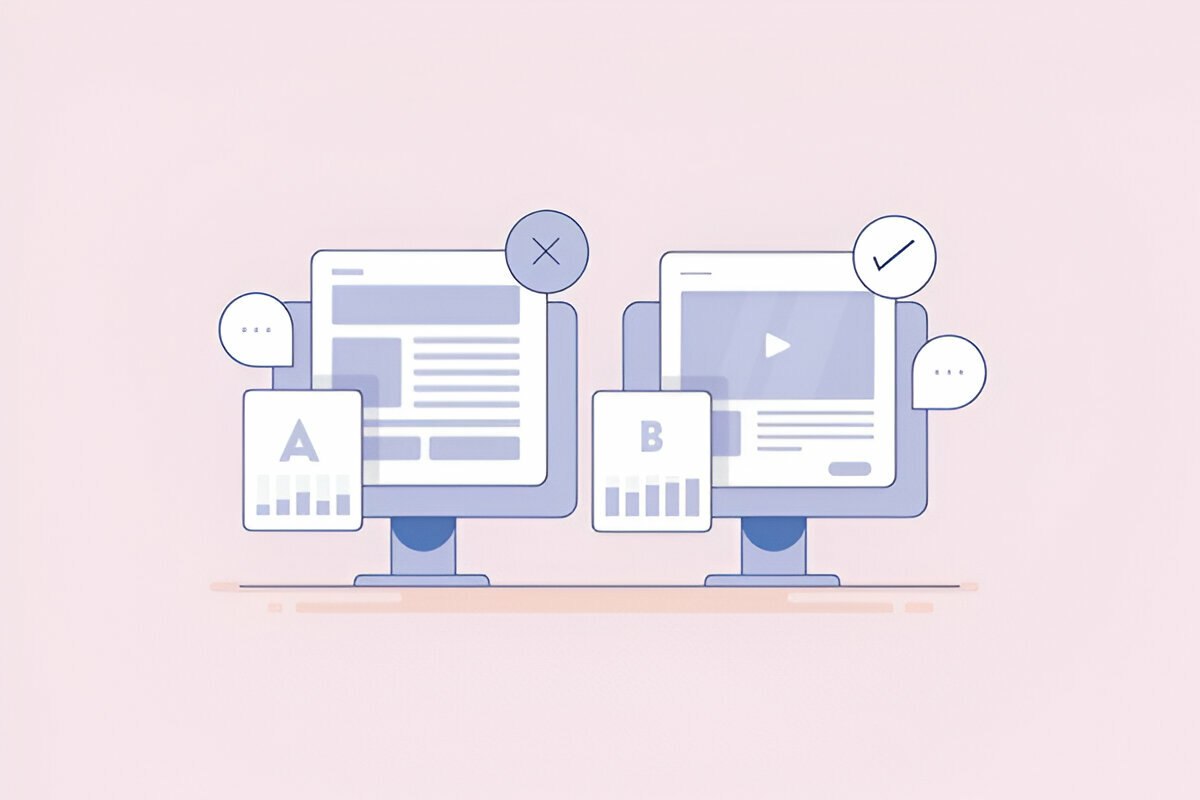
A/B testing allows you to compare different versions of specific page elements to determine which performs better. Test one element at a time—headlines, button colors, form lengths, or images—to isolate the impact of each change.
Statistical significance ensures your test results are reliable rather than due to random chance. Most testing platforms calculate this automatically, but avoid ending tests too early or making decisions based on insufficient data.
Testing duration should account for weekly patterns and seasonal variations in your traffic. Business-to-business landing pages might perform differently on weekends, while consumer products could show varied results during holiday periods.
Document your testing results and insights to build organizational knowledge over time. Failed tests provide valuable information about what doesn’t work, while successful changes can be applied to other landing pages and campaigns.
Technical Performance and Loading Speed
Page loading speed directly impacts conversion rates because slow pages frustrate visitors and increase abandonment rates. Even small delays can significantly reduce the percentage of visitors who complete your desired action.
Image optimization reduces file sizes without sacrificing visual quality. Use appropriate file formats—JPEG for photos, PNG for graphics with transparency, and SVG for simple illustrations. Compress images before uploading and consider using next-generation formats like WebP when supported.
Content delivery networks (CDNs) serve your landing page files from servers geographically closer to your visitors, reducing loading times globally. This becomes especially important when targeting international audiences or operating in regions with varying internet infrastructure.
Minimize HTTP requests by combining CSS files, reducing the number of images, and eliminating unnecessary plugins or scripts. Each external resource your page loads adds potential delay and failure points that can impact conversion performance.
Regular performance monitoring helps identify when technical issues impact conversion rates. Tools like Google PageSpeed Insights, GTmetrix, and Pingdom provide specific recommendations for improving loading times and technical performance.
Analytics and Conversion Tracking Setup
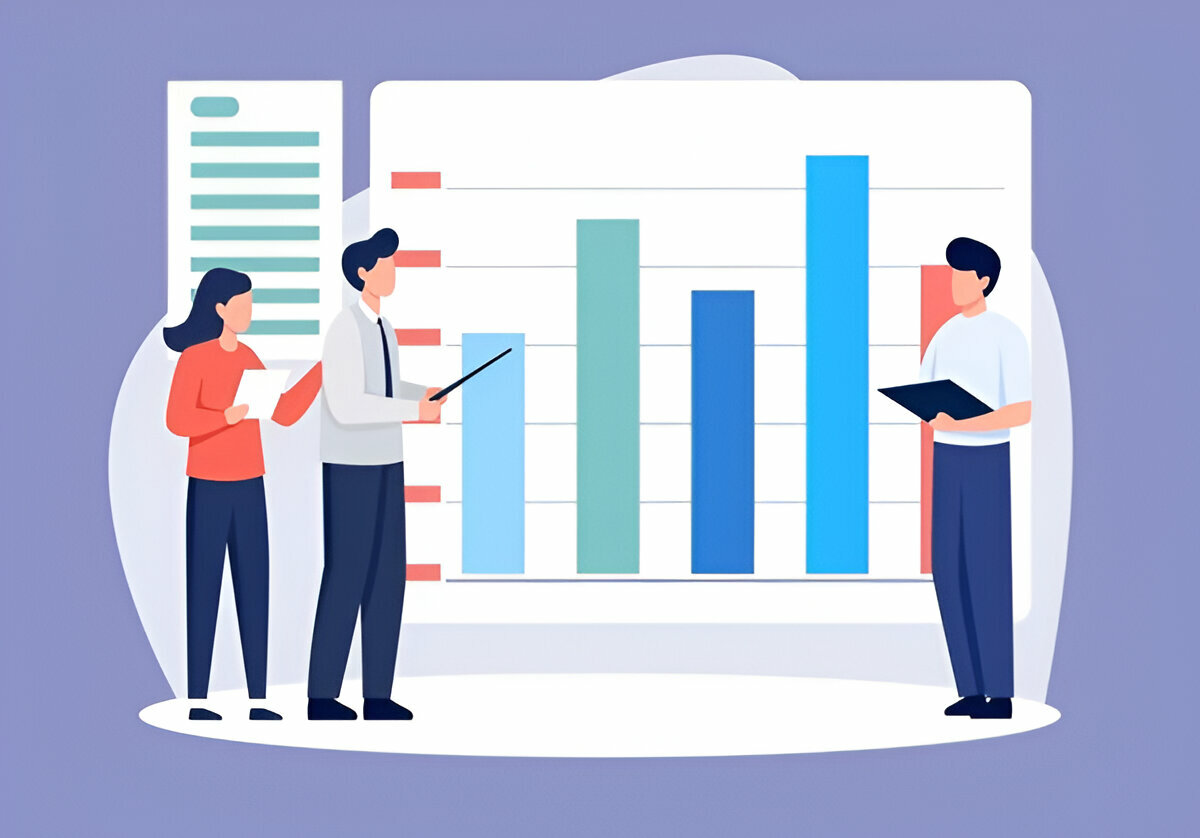
Proper tracking setup enables you to measure landing page performance and identify optimization opportunities. Without accurate data, you cannot determine which changes improve conversions or understand visitor behavior patterns.
Goal tracking in Google Analytics should mirror your business objectives exactly. If you want email signups, track form submissions. If you’re generating sales leads, monitor thank-you page visits or specific conversion events.
Heat mapping tools like Hotjar or Crazy Egg show where visitors click, how far they scroll, and which page elements receive attention. This behavioral data often reveals disconnect between your intended page flow and actual visitor behavior.
Conversion funnel analysis identifies where visitors drop off during the conversion process. High form abandonment might indicate too many required fields, while low click-through rates could suggest weak call-to-action buttons.
Attribution tracking becomes crucial when visitors interact with multiple touchpoints before converting. Understanding which traffic sources generate the highest-quality leads helps optimize your marketing budget allocation and campaign targeting.
Continuous Optimization for Long-term Success
Landing page optimization is an ongoing process rather than a one-time project. Markets change, audience preferences evolve, and competitive landscapes shift, requiring continuous attention to maintain peak performance.
Seasonal adjustments account for changing visitor behavior throughout the year. Holiday shopping periods, budget cycles, and industry events all influence how people respond to your landing page messages and offers.
Competitive analysis reveals new optimization opportunities and helps you maintain differentiation. Monitor how competitors structure their landing pages, what offers they promote, and how their messaging positions against your value proposition.
Fresh content and updated social proof prevent your landing page from becoming stale. Rotate testimonials, update statistics, and refresh examples to maintain relevance and credibility with returning visitors.
Regular performance reviews should examine both conversion rates and lead quality. Sometimes changes that increase conversion rates generate lower-quality leads, requiring balance between quantity and qualification in your optimization efforts.
Transform Your Landing Pages into Lead Generation Machines
Landing page optimization combines art and science, requiring creative problem-solving backed by data-driven decision making. The strategies outlined in this guide provide a comprehensive framework for improving your conversion rates, but success depends on consistent implementation and testing.
Start with the fundamentals—compelling headlines, clear value propositions, and streamlined forms—before moving to advanced techniques like sophisticated testing programs and behavioral analysis. Small improvements across multiple elements often generate better results than dramatic changes to single components.
Remember that optimization is an iterative process. Your first tests might not produce dramatic improvements, but consistent effort and systematic testing will compound over time to deliver significant conversion rate gains and increased lead generation for your business.
You can also read: How To Generate Quality Leads Through Digital Marketing
Frequently Asked Questions
How long should I run A/B tests on my landing pages?
Run tests until you reach statistical significance, typically requiring at least 100-200 conversions per variation. Most tests need 1-4 weeks depending on your traffic volume. Avoid ending tests early, even if one variation appears to be winning, as results can change with more data.
What’s a good conversion rate for landing pages?
Conversion rates vary significantly by industry, traffic source, and offer type. Average rates range from 1-5%, with top performers achieving 10-15% or higher. Focus on improving your current performance rather than comparing to industry averages, as your specific context matters more than general benchmarks.
Should I use pop-ups on my landing pages?
Pop-ups can increase conversions when used strategically, such as exit-intent overlays offering additional value. However, they can also create negative user experiences, especially on mobile devices. Test pop-ups carefully and ensure they provide genuine value rather than just additional promotional messages.
How many form fields should I include?
Use the minimum number of fields necessary for your immediate needs. Each additional field typically reduces conversion rates by 5-10%. For most lead generation purposes, name and email address are sufficient initially. You can gather additional information later in your sales process.
What’s the best way to write landing page headlines?
Effective headlines clearly communicate your primary benefit while addressing your target audience’s specific needs. Include concrete numbers or timeframes when possible, and ensure the headline matches the expectations set by your traffic source. Test different approaches to find what resonates with your audience.


Leave a Reply