


Generating high-quality leads is one of the most significant challenges businesses face today. Whether you’re a startup looking to grow or an established company trying to scale, uncovering and nurturing prospects who are genuinely interested in your products or services is no small feat. This is where lead generation companies can make all the difference.
But what exactly is a lead generation company, and how can it amplify your business growth? This guide breaks it all down, outlining how these companies operate, the benefits they offer, the types of services they provide, and how to choose the right one for your business.
What is a Lead Generation Company?
A lead generation company is a business that specializes in helping other businesses acquire leads. Leads are potential customers who have expressed interest in your product or service, whether by filling out a form, signing up for a newsletter, downloading an eBook, or engaging with your brand in other ways.
Instead of relying solely on your in-house team, lead generation companies use their expertise, technology, and networks to deliver a consistent stream of qualified leads. These leads are often pre-qualified, meaning they fit your target audience profile and are more likely to convert into paying customers. Some companies also focus on organic lead generation, using strategies like SEO and content marketing to attract high-quality leads without relying on paid advertising.
How a Lead Generation Company Works
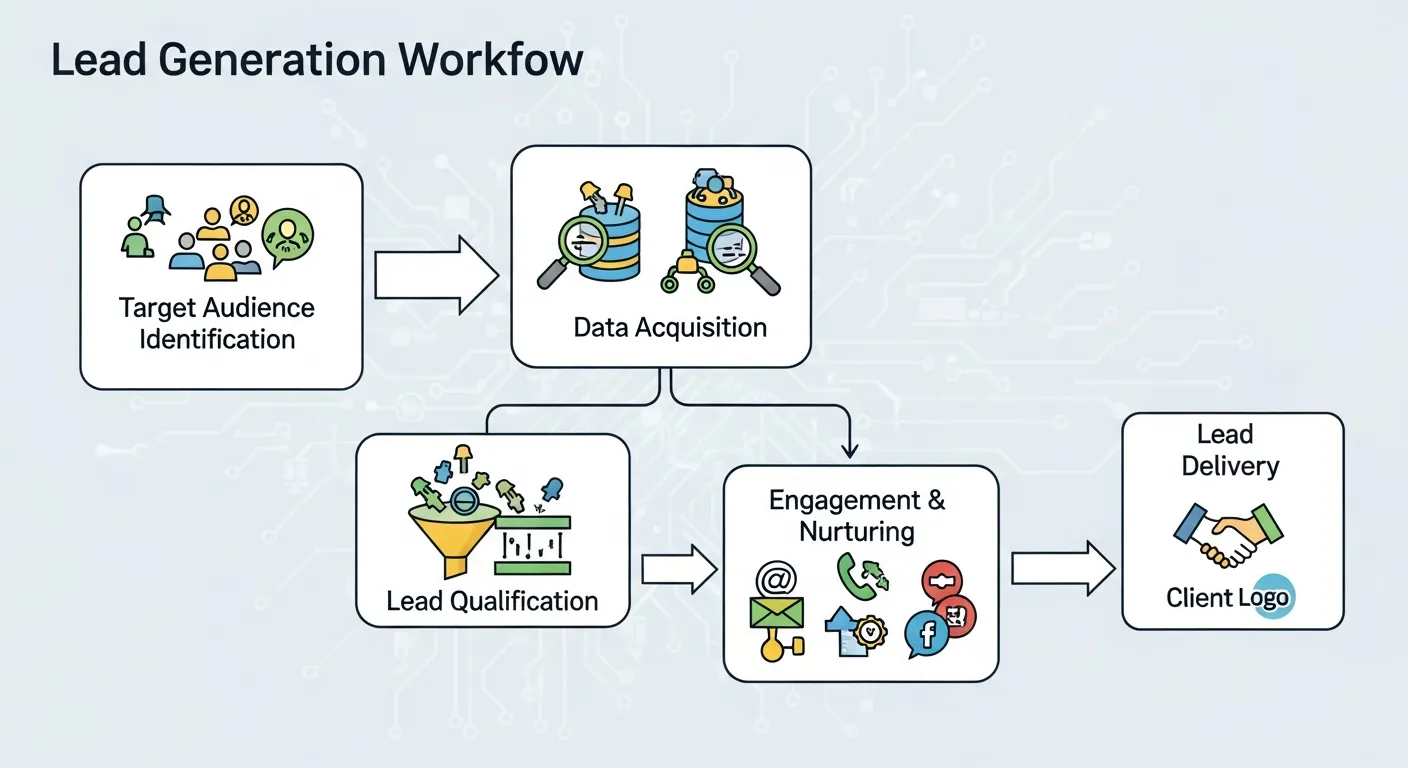
1. Defining Target Audiences
Lead generation companies start by understanding your business, your goals, and, most importantly, your target audience. They work with you to develop a clear picture of your ideal customers, including demographics, buying behaviours, and pain points.
2. Creating Campaigns
Next, they design and execute lead generation campaigns tailored to your audience. This could involve email marketing, paid ads, search engine optimization, social media marketing, or a combination of strategies. Many companies also use advanced tools like CRM software and automation to streamline the process.
3. Capturing and Qualifying Leads
Once potential clients respond to these campaigns, lead generation companies capture their information through forms, landing pages, or other means. They then qualify the leads using agreed-upon criteria, such as budget, urgency, or decision-making power.
4. Delivering Leads to Your Team
The leads are then passed on to your internal team for follow-up. This saves you the hassle of identifying leads on your own, allowing your team to focus on converting them.
Benefits of Using a Lead Generation Company
1. Saves Time and Resources
Manually handling lead generation is time-consuming and resource-intensive. With a dedicated partner, your team can focus on closing deals while the experts bring leads right to your doorstep.
2. Expertise You Can Rely On
Lead generation companies specialize in identifying trends, optimizing campaigns, and staying up-to-date with best practices in marketing. Their expertise ensures you get higher-quality leads and better results.
3. Cost Efficiency
Contrary to popular belief, outsourcing lead generation can often be more cost-effective than doing it in-house. The cost of hiring and training a team, investing in technology, and running campaigns may outweigh the expense of outsourcing.
4. Access to Advanced Tools
These companies use the latest tools and platforms to track lead behaviour, generate insights, and optimize campaigns. Leveraging cutting-edge tools ensures you’re working with data-driven strategies.
5. Improved Lead Quality
A reputable lead generation company will focus on attracting high-quality leads that are more likely to convert into paying customers. These companies often have systems in place to filter out unqualified prospects.
Types of Lead Generation Services
1. B2B Lead Generation
Business-to-business (B2B) lead generation is about identifying opportunities with other businesses. Companies specializing in B2B focus on niche audiences and often rely on strategies like LinkedIn outreach, email campaigns, or account-based marketing (ABM).
2. B2C Lead Generation
Business-to-consumer (B2C) lead generation targets individual consumers. Strategies for B2C leads often include social media ads, Google Ads, and engaging content like blogs or videos designed to inspire purchases.
3. Data Enrichment
Sometimes, businesses already have a lead list, but the information is incomplete. Lead generation companies offer data enrichment services to fill in missing details, ensuring your leads are accurate and actionable.
4. Appointment Setting
Many companies also offer appointment setting as a service. Instead of just delivering a list of leads, they arrange qualified meetings directly with interested prospects.
5. Content-Driven Lead Generation
Some companies rely heavily on content marketing to generate leads. They create high-value content such as eBooks, whitepapers, and webinars to capture leads organically.
How to Choose the Right Lead Generation Company

1. Know Your Goals
Before you start your search, have a clear understanding of what you want to achieve. Do you need help with B2B lead generation, appointment setting, or something else? Define these goals to find a company that aligns with your needs.
2. Consider Experience
Look for a company with experience in your industry. Niche knowledge ensures the strategies used resonate with your target audience.
3. Assess Their Process
Ask about their methodologies for generating and qualifying leads. A reputable company will have clear, transparent processes in place and will be upfront about their strategies.
4. Check Reviews and Case Studies
Research customer reviews, testimonials, and case studies. These provide valuable insights into whether a company delivers on its promises.
5. Understand Pricing
Lead generation companies have different pricing models. Some charge per lead while others charge a flat fee. Make sure their pricing structure aligns with your budget.
When Should You Work with a Lead Generation Company?
Using a lead generation company makes the most sense if:
- Your team lacks the time or expertise to generate leads consistently.
- You want to scale quickly and need a high volume of quality leads.
- You’re looking to enter a new market or expand your audience.
- You want data-backed insights and a streamlined process for obtaining leads.
NFT Marketing and Lead Generation Innovation
NFT marketing introduces innovative lead generation opportunities. Lead generation companies can use NFT-based rewards, gated digital content, or exclusive access passes to attract tech-savvy audiences. For example, offering limited digital collectables for event registration can boost engagement. NFTs also create verified digital ownership experiences, increasing perceived value. When combined with data-driven targeting, NFT marketing becomes a powerful lead magnet. This strategy works particularly well for Web3 brands, tech startups, and creative industries seeking unique audience engagement.
Data Enrichment and Lead Intelligence
Data enrichment improves existing lead databases by adding missing information such as job roles, company size, or contact details. Lead generation companies enhance accuracy, ensuring better targeting and personalization. Clean, enriched data supports segmentation and customized outreach campaigns. Accurate lead intelligence reduces bounce rates and improves email deliverability. Strong data quality directly impacts campaign effectiveness and ROI.
Measuring ROI from Lead Generation Companies
Evaluating performance is essential. Key metrics include cost per lead (CPL), conversion rate, customer acquisition cost (CAC), and lifetime value (LTV). Lead generation companies provide detailed reporting and analytics dashboards. Continuous optimization ensures campaigns remain efficient. Transparent performance tracking builds trust and supports long-term partnerships.
Scaling Your Business with Lead Generation Partners
 As businesses expand, internal resources may struggle to keep pace. Lead generation companies offer scalable systems capable of handling increased demand. Whether entering new markets or launching new products, outsourcing ensures consistent pipeline growth. Scalable strategies reduce risk while supporting revenue expansion. A reliable partner enables sustainable growth without overwhelming internal teams.
Final Thoughts on Lead Generation Companies
Partnering with a lead generation company can be a game-changer for businesses looking to grow. By saving time, resources, and effort, you can channel your energy into what matters most—nurturing relationships and closing deals.
If improving your lead quality and generating consistent opportunities sounds like the next step for your business, leap. Research your options and choose a partner that aligns with your goals. With the right company by your side, the future of your business could start looking a whole lot brighter.
Conclusion
Lead generation companies provide businesses with scalable, data-driven systems for acquiring high-quality prospects. From B2B outreach and content marketing to appointment setting and NFT-driven innovation, these companies streamline the process of attracting and converting leads. By leveraging advanced tools, automation, and expertise, businesses save time while improving conversion rates. Whether you are a startup seeking rapid growth or an established company aiming to expand into new markets, partnering with the right lead generation company can significantly impact revenue and long-term success.
Frequently Asked Questions
1. What Do Lead Generation Companies Do?
Lead generation companies specialize in identifying potential customers, attracting their attention, qualifying prospects based on interest and fit, and delivering high-quality leads to businesses, ensuring teams spend time only on opportunities likely to convert.
2. How Are Qualified Leads Different from Regular Leads?
Qualified leads are pre-screened prospects that match your ideal customer profile. Unlike general leads, they show genuine intent, budget alignment, and decision-making authority, significantly increasing the chances of successful conversion and sales.
3. Are Lead Generation Companies Cost-Effective?
Outsourcing lead generation often reduces costs associated with hiring, training, and maintaining an in-house team. Companies gain access to expertise, advanced tools, and targeted campaigns without large overhead, offering a higher return on investment.
4. What Industries Benefit Most from Lead Generation Companies?
Lead generation services benefit both B2B and B2C industries, including SaaS, healthcare, finance, real estate, eCommerce, and professional services. Any business needing a steady flow of qualified prospects can leverage these specialized services for growth.
5. How Long Does It Take to See Results?
Paid lead generation campaigns can produce leads almost immediately, whereas organic strategies like SEO or content marketing take longer. However, sustainable approaches build high-quality, long-term leads that consistently support business growth.
6. What Tools Do Lead Generation Companies Use?
These companies use advanced CRM software, marketing automation platforms, AI analytics, tracking tools, and multi-channel engagement solutions to capture, qualify, and nurture leads effectively, ensuring every prospect is approached with data-driven precision.
7. Can Small Businesses Work with Lead Generation Companies?
Yes, many agencies offer flexible solutions and pricing models tailored for startups and SMEs. Even smaller companies can access qualified leads, scale campaigns, and benefit from expertise typically reserved for larger enterprises.
8. What Is Appointment Setting?
Appointment setting is a service where lead generation companies schedule meetings or demos directly with qualified prospects. This ensures sales teams engage with genuinely interested potential customers, saving time and increasing conversion opportunities.
9. How Does NFT Marketing Support Lead Generation?
NFT campaigns attract digital-native and tech-savvy audiences by offering exclusive content, collectibles, or community access. These incentives increase engagement, capture lead information, and create verified, interactive experiences that build trust and brand loyalty.
10. How Is ROI Measured in Lead Generation?
ROI is calculated using metrics like cost per lead, conversion rate, customer acquisition cost, and revenue generated from acquired leads. Accurate tracking allows businesses to assess campaign effectiveness and optimize marketing strategies.
11. Do Lead Generation Companies Guarantee Results?
Reputable companies provide transparency regarding their methods and expected outcomes. While they cannot promise 100% success, they optimize campaigns, deliver high-quality leads, and demonstrate performance improvements based on data and past results.
12. Should Lead Generation Be Outsourced or Managed In-House?
The choice depends on internal resources, expertise, and growth goals. Outsourcing offers scalability, access to specialized tools, and professional insight, while in-house teams offer control but require significant investment in talent and technology.



Leave a Reply