


B2B influencer marketing leverages trusted industry experts to build credibility, engage decision-makers, and accelerate lead generation. By selecting relevant influencers, co-creating targeted content, promoting across multiple channels, and tracking KPIs like leads, conversions, and pipeline impact, brands can enhance authority, shorten sales cycles, and achieve measurable business growth.
In today’s hyper-competitive marketplace, generating high-quality leads no longer means casting a wide net and hoping for the best. Prospects expect personalized interactions, timely follow-ups, and seamless experiences across channels. To keep pace, marketers and sales teams must embrace next-generation lead generation strategies that blend artificial intelligence, automation, and data-driven personalization.
Why Traditional Lead Generation Is Falling Short
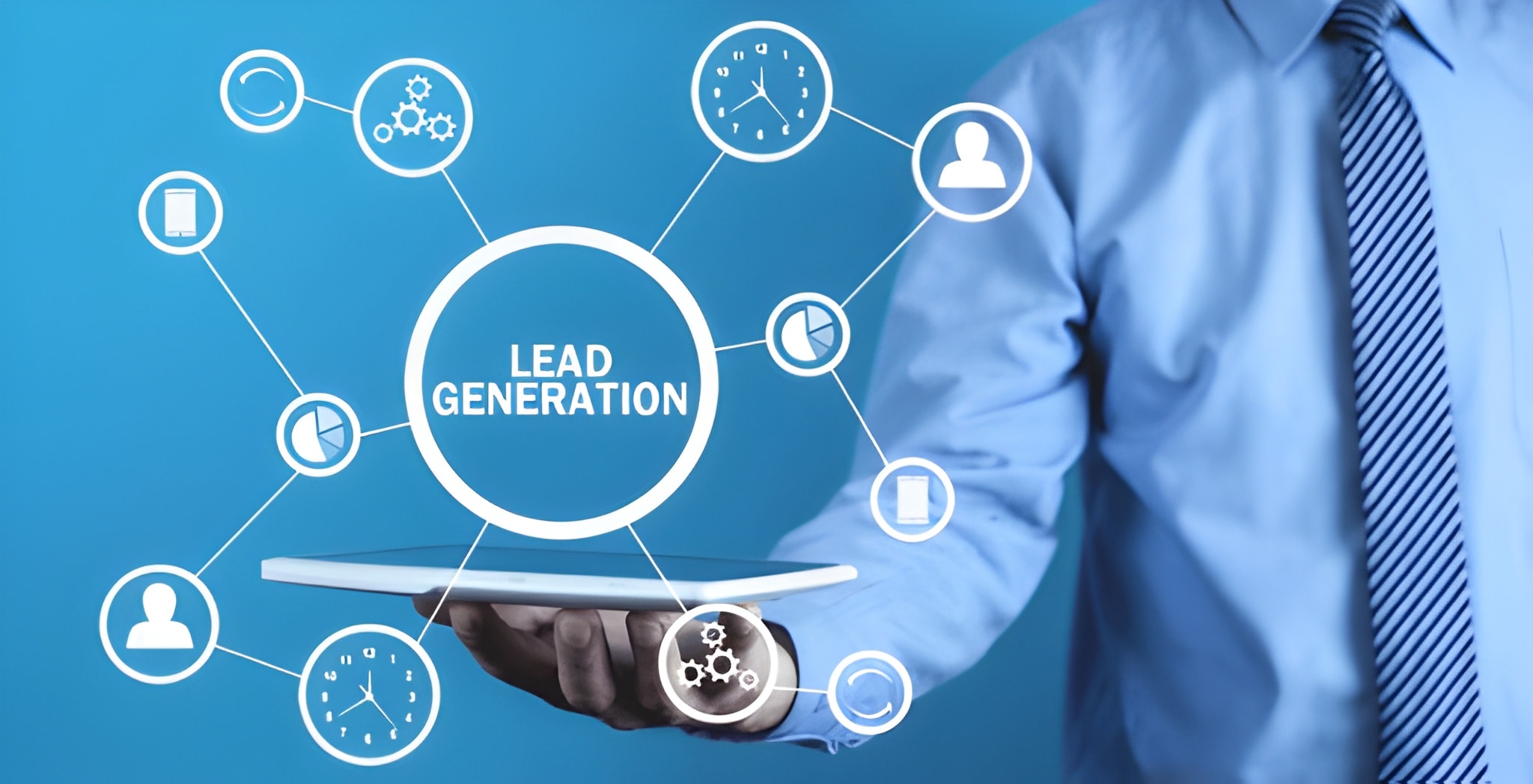
Traditional tactics like mass email blasts, list purchases, and broad social media campaigns often generate large volumes of low-quality leads. Without pinpoint targeting and genuine personalization, prospects quickly tune out generic messages, leading to wasted ad spend and poor engagement rates. Moreover, manual data entry and disjointed tools can slow response times, causing hot leads to slip through the cracks. To remain competitive, businesses need to move beyond one-size-fits-all strategies by leveraging smarter technologies that prioritize relevance, efficiency, and real-time optimization. Learn more about Leveraging AI Chatbots for Lead Generation.
The Role of AI in Lead Scoring and Prospecting
AI leverages machine learning to analyze historical customer and prospect data, uncovering patterns that indicate conversion likelihood. Key aspects include:
-
Predictive Lead Scoring: AI assigns scores to prospects based on engagement, firmographics, and behavioral signals, highlighting high-value targets.
-
Prioritized Outreach: Sales teams can focus on leads most likely to convert, improving efficiency and ROI.
-
Optimal Timing and Channels: AI models suggest the best time and communication channel for outreach, boosting response and engagement rates.
-
Consistent Evaluation: Integrating AI scoring with your CRM ensures uniform assessment across all leads, eliminating subjective or manual guesswork.
-
Pipeline Acceleration: By prioritizing quality leads and guiding targeted actions, AI helps shorten sales cycles and drives faster revenue growth.
Overall, AI transforms prospecting from a reactive process into a data-driven, proactive strategy, enabling teams to work smarter and close more deals.
Chatbots and Conversational AI for Lead Qualification
Conversational AI and chatbots enable real-time engagement with website visitors, offering instant answers while capturing important lead information. Key benefits include:
-
24/7 Lead Engagement: Bots can interact with prospects anytime, addressing common questions and guiding users through the site.
-
Lead Qualification: Using natural language processing (NLP), chatbots can assess fit, capture contact details, and assign lead scores based on responses.
-
Seamless Handoff: Qualified leads are routed to sales teams or automated email workflows for further nurturing, ensuring no opportunity is lost.
-
Enhanced User Experience: Instant responses and personalized recommendations improve satisfaction and reduce bounce rates.
-
Resource Efficiency: Automating repetitive interactions frees marketing and sales teams to focus on higher-value tasks.
When properly configured, chatbots and conversational AI can boost conversion rates, accelerate the lead qualification process, and deliver a scalable, personalized engagement experience.
Automation Workflows to Nurture Leads
Automation enables timely, personalized engagement at scale by responding to prospect behavior in real time. Key approaches include:
-
Email Drip Campaigns: Leads who download content (e.g., a whitepaper) automatically enter a sequence delivering relevant case studies, webinars, and product demos over days or weeks.
-
Behavior-Based Triggers: Clicking a link or visiting a product page can move a prospect into advanced workflows, such as high-touch sequences or alerts for sales outreach.
-
Workflow Integration: Combine CRM data, website behavior, and email interactions to create seamless, multi-channel nurturing paths.
By implementing automated workflows, you reduce manual follow-ups, maintain consistent engagement, and guide leads efficiently through the buyer’s journey while minimizing friction.
Personalization at Scale
True personalization extends far beyond adding a prospect’s name to an email. Advanced AI-driven systems craft messaging and experiences tailored to industry, company size, past interactions, and content preferences. Examples include:
-
Dynamic Website Modules: Present different offers, articles, or demo invitations based on visitor behavior and profile.
-
AI-Driven Recommendations: Suggest relevant content, tools, or next steps by analyzing engagement patterns across multiple channels.
-
Multi-Touchpoint Data Integration: Combine insights from social profiles, CRM entries, and behavioral analytics to create a unified view of each prospect.
By leveraging this comprehensive data, you can deliver hyper-relevant experiences that engage prospects meaningfully, increase time on site, and drive higher conversion rates—all at scale.
Integrating AI with Your CRM for Seamless Workflows
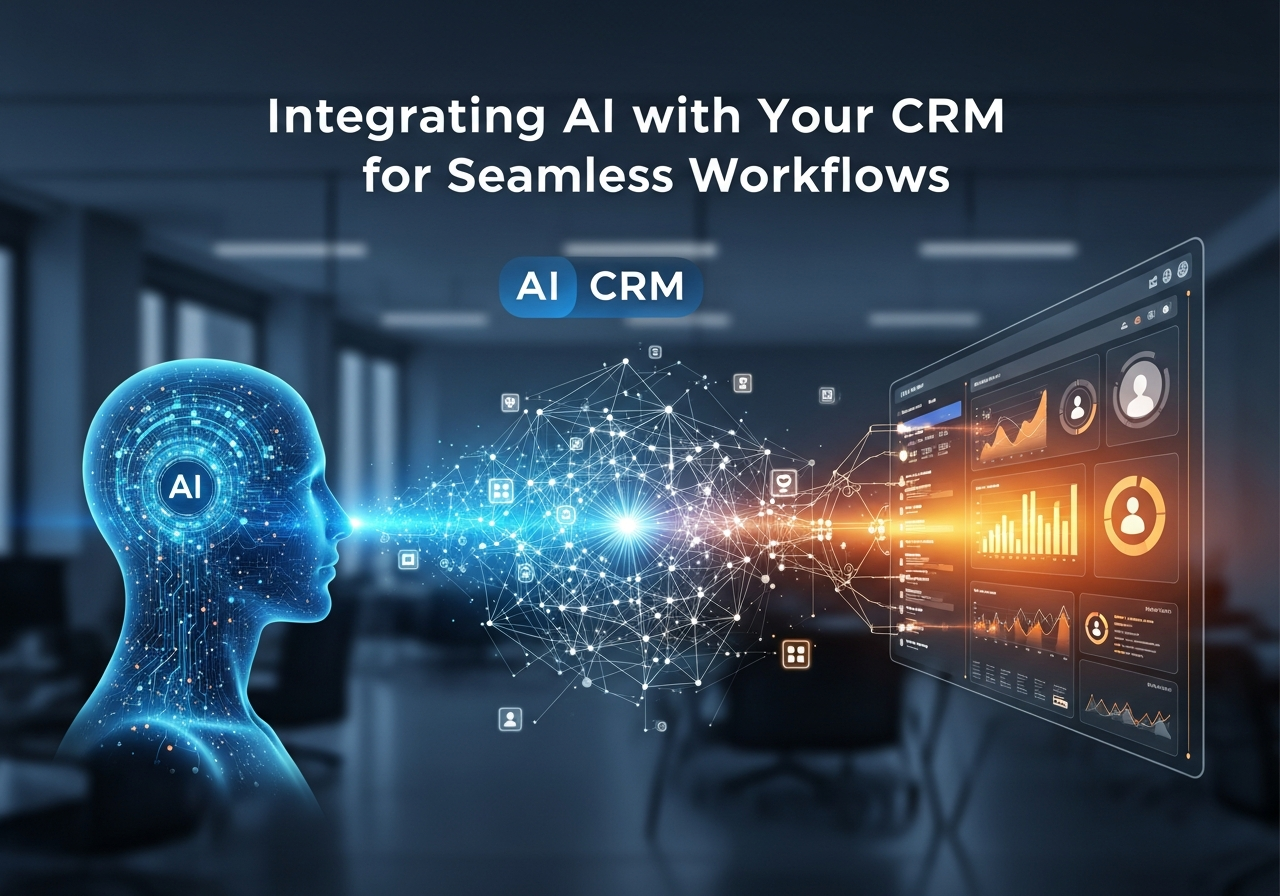
Connecting AI tools directly to your CRM platform enables a fully unified system, where data flows effortlessly across prospecting, scoring, nurturing, and reporting processes. When AI-generated insights automatically populate contact records, sales and marketing teams gain instant access to:
-
Lead Scoring Metrics: AI prioritizes prospects based on engagement, behavior, and predictive fit.
-
Engagement Histories: Consolidated activity logs give a complete view of prior interactions across channels.
-
Suggested Next Steps: Automated recommendations guide follow-ups, outreach timing, and personalized messaging.
This integration creates a single source of truth, eliminating data silos, reducing manual entry errors, and enabling real-time, informed decision-making.
For best results, choose CRM platforms with open APIs that integrate seamlessly with AI engines and your broader martech stack, ensuring smooth workflows, scalability, and flexibility as your automation strategy evolves.
Measuring Success: Key Metrics and Analytics
Data-driven lead generation relies on continuous measurement and optimization. Key performance indicators include conversion rate, cost per lead (CPL), lead velocity rate (LVR), and marketing qualified lead (MQL) to sales qualified lead (SQL) conversion ratios. Advanced dashboards powered by AI can identify drop-off points in your funnel, suggest content improvements, and predict revenue outcomes. By tracking and analyzing these metrics, you can fine-tune campaigns, reallocate budgets to top-performing channels, and justify ROI to stakeholders.
Case Study: How a SaaS Startup Doubled Leads with AI
A mid-stage SaaS company successfully leveraged AI to transform its lead generation process. By implementing an AI-driven lead scoring system, the company analyzed two years of CRM data to identify its highest-potential customer profiles. This allowed the marketing team to prioritize outreach more effectively.
Next, they integrated AI-powered chatbots on their pricing page to engage visitors in real time, answering questions and guiding prospects toward relevant resources. In parallel, they automated a personalized email drip campaign, tailored to each lead’s profile and behavior.
Within just three months, the results were remarkable:
-
MQL Volume: Increased by 80%
-
Cost Per Lead (CPL): Reduced by 35%
-
Sales Impact: Sales reps reported higher engagement rates and shorter sales cycles
This case highlights how combining AI-driven insights, automation, and personalized engagement can accelerate lead generation, improve conversion efficiency, and optimize marketing spend, even for growing startups.
Best Practices for Implementing AI and Automation
Begin by thoroughly auditing your current lead generation processes and assessing data quality. Cleanse CRM records to remove duplicates, outdated entries, and inconsistencies, ensuring that AI models receive accurate and reliable inputs for predictions and automation. Define clear objectives for your AI initiatives, such as improving lead scoring accuracy, increasing conversion rates, or reducing response times, and establish realistic KPIs to measure success. Encourage collaboration across sales, marketing, and IT teams to align workflows, ensure seamless tool adoption, and address any technical or operational challenges. Pilot new AI-driven workflows on a smaller scale to test performance, gather actionable feedback, and fine-tune algorithms, messaging strategies, and automation rules before full-scale deployment. Continuously monitor outcomes, iterate on processes, and integrate insights into your overall lead generation strategy to maintain efficiency, relevance, and competitive advantage.
Overcoming Common Challenges
Implementing advanced lead generation technologies can present several challenges, including data privacy concerns, integration complexity, and change management resistance. To address privacy issues, ensure full compliance with regulations such as GDPR, CCPA, and other local data protection laws, while communicating transparently with prospects about how their data will be used, stored, and protected. Mitigate technical risks by carefully selecting vendors with proven track records, strong customer support, robust documentation, and scalable APIs that simplify integration with your existing marketing stack. Foster adoption internally by providing comprehensive training, sharing best practices, celebrating early wins to demonstrate tangible value, and aligning technology rollouts with clear business objectives. By proactively managing these challenges, organizations can maximize ROI, maintain trust with prospects, and accelerate the successful deployment of cutting-edge lead generation solutions.
The Future of Lead Generation: Trends to Watch

augmented reality experiences for prospect engagement. These technologies will enable marketers to anticipate buyer needs more accurately, deliver highly contextual interactions, and create immersive experiences that capture attention in increasingly competitive markets. Voice search optimization, identity resolution across devices, and sentiment analysis will further refine lead quality and personalization, allowing teams to connect with prospects at the precise moment of intent and tailor messaging to individual preferences. Additionally, increasing privacy regulations will place higher importance on first-party data strategies, driving investments in CDPs (Customer Data Platforms) and proprietary content communities, ensuring data compliance while enabling rich insights into prospect behavior. Staying ahead of these trends will be key to maintaining a competitive edge, fostering deeper customer relationships, and driving sustainable growth in the evolving landscape of lead generation.
Conclusion
Next-generation lead generation demands a strategic blend of AI, automation, and personalization. By adopting AI-driven lead scoring, conversational bots, automated nurturing workflows, and data-driven personalization, businesses can deliver highly relevant experiences that attract and convert top-quality prospects. Integrating these tools within your CRM and measuring success through clear KPIs will help you optimize continuously and scale efficiently. Start small, learn fast, and watch as your lead pipeline transforms into a well-engineered engine for sustainable growth.
FAQ: B2B Influencer Marketing
Q1: What is B2B influencer marketing?
A1: It’s a strategy that partners with respected industry experts to educate prospects, build trust, and accelerate lead generation in B2B markets.
Q2: Why is it important?
A2: B2B buyers rely on credible third-party insights rather than direct sales messages. Influencers enhance authority, shorten sales cycles, and improve engagement.
Q3: How do I identify the right influencers?
A3: Define your Ideal Customer Profile (ICP), assess expertise and relevance, evaluate engagement metrics, and ensure brand alignment.
Q4: What content works best?
A4: Webinars, guest blogs, e-books, podcasts, and co-created campaigns that combine the influencer’s voice with your brand messaging.
Q5: How do I measure success?
A5: Track leads generated, conversion rates, cost per lead, engagement metrics, and pipeline influence using UTM links, landing pages, and CRM attribution.
Q6: What compensation models exist?
A6: Flat fees, performance-based payments, reciprocal value, or long-term retainers, depending on campaign goals and influencer preferences.



Leave a Reply