

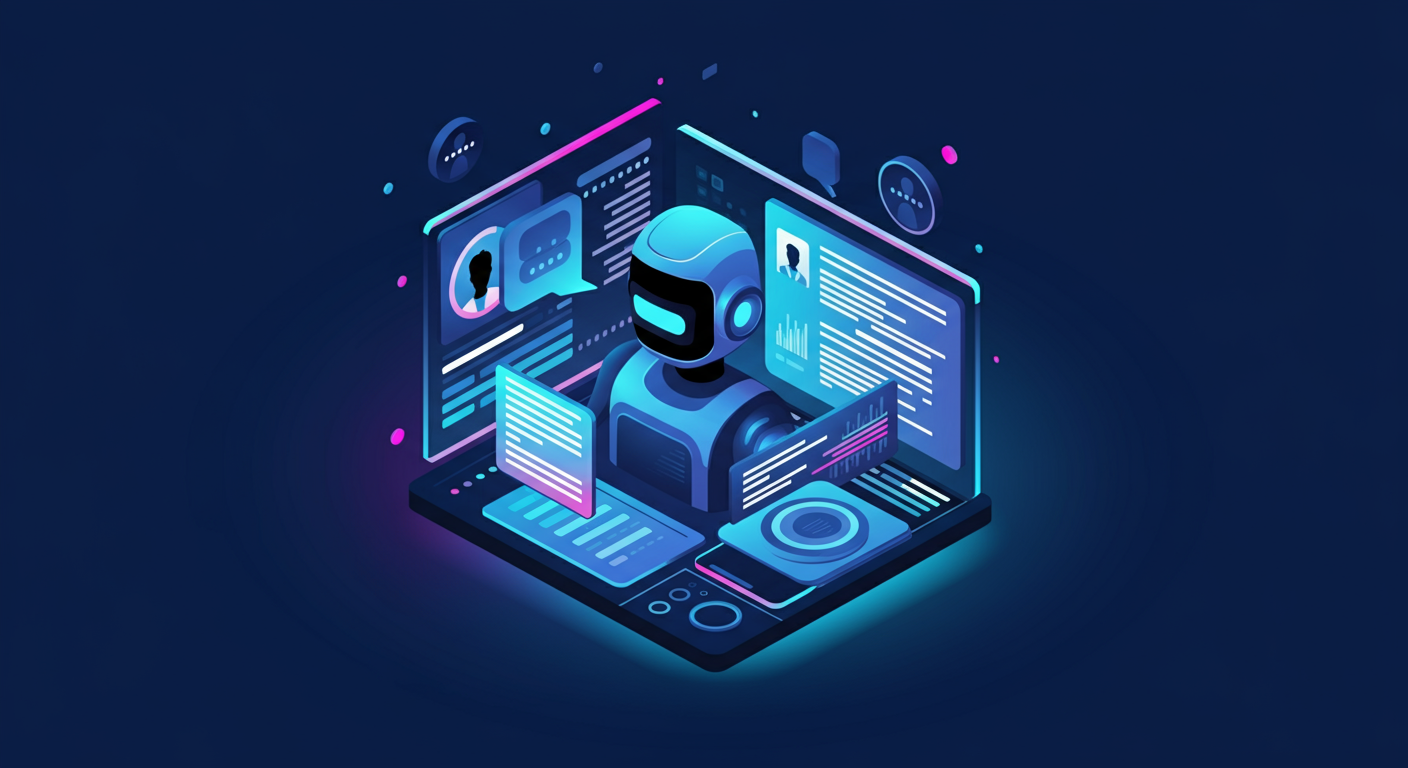
AI chatbots revolutionize lead generation by engaging prospects in real time, qualifying leads, and delivering personalized, human-like interactions 24/7. By integrating with CRMs and marketing tools, chatbots automate repetitive tasks, enhance user experience, and provide actionable insights, helping businesses scale efficiently while boosting conversions and overall ROI.
In today’s fast-paced digital world, customers expect instant responses, personalized guidance, and seamless interactions across every touchpoint. Businesses face mounting pressure to deliver high-quality experiences around the clock, yet traditional lead-generation methods—like static web forms, generic landing pages, or manual email outreach—often fall short. These approaches are slow, impersonal, and difficult to scale, leaving potential leads frustrated or lost.
Enter AI chatbots: advanced conversational agents powered by artificial intelligence, capable of engaging website visitors or app users in real time. Unlike basic chat tools that follow rigid scripts, AI chatbots can understand user intent, answer questions intelligently, capture essential information, and route qualified leads directly to sales teams.
When deployed strategically, chatbots do more than just respond—they transform the lead-generation process. They automate repetitive tasks, deliver personalized, human-like conversations, and maintain continuous engagement across different time zones and high-traffic periods. By interacting with prospects at the right moment with relevant content, AI chatbots increase the likelihood of conversion, enhance customer experience, and free up marketing and sales teams to focus on higher-value strategic initiatives.
In essence, AI chatbots are not just a convenience—they’re a competitive advantage, enabling businesses to generate more leads efficiently while creating a frictionless, engaging, and personalized experience that keeps visitors coming back.
What Are AI Chatbots and Why They Matter for Lead Generation?
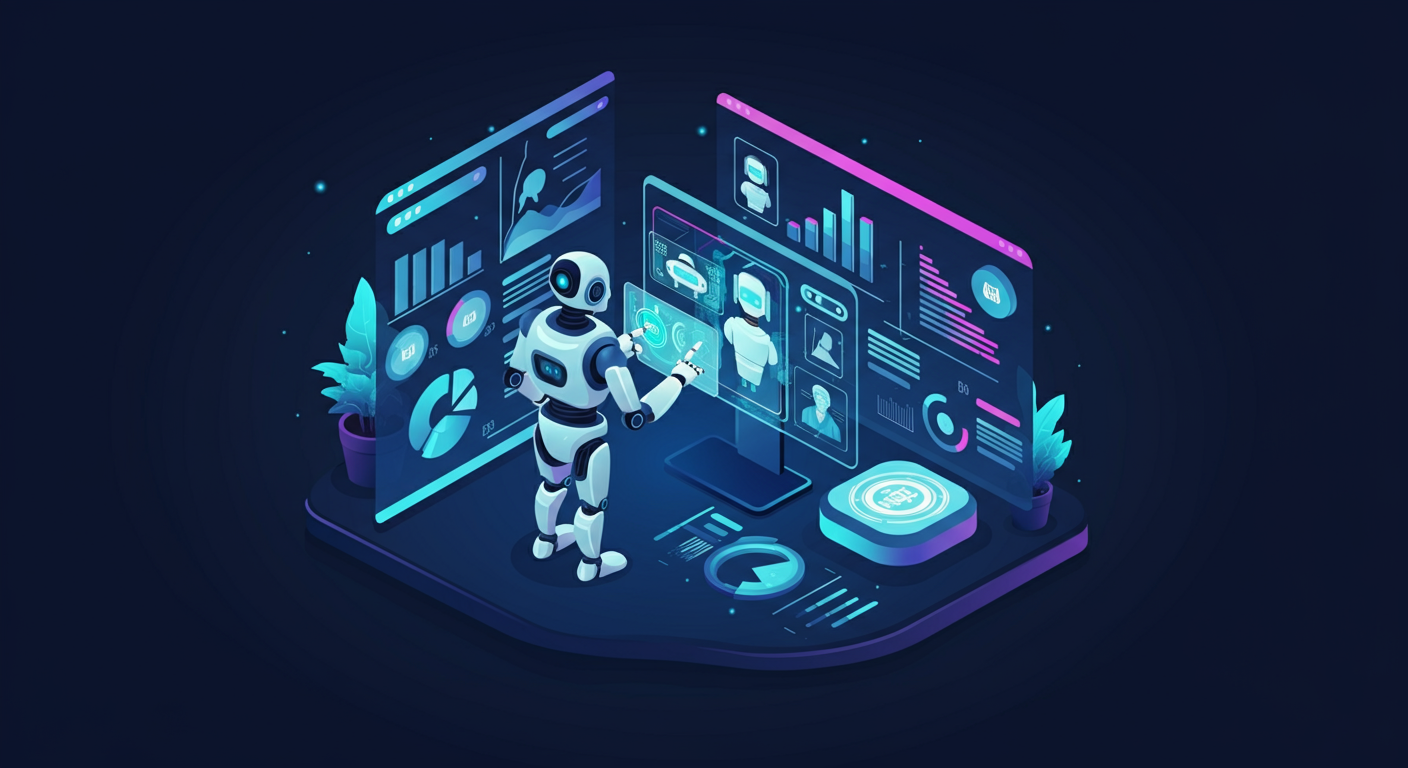
AI chatbots are intelligent conversational agents that leverage cutting-edge technologies such as natural language processing (NLP), machine learning, and contextual understanding to engage website visitors or app users in real time. Unlike traditional rule-based chatbots that follow rigid scripts and provide limited responses, AI-driven chatbots can interpret user intent, understand nuanced language, and adapt conversations based on previous interactions.
This advanced capability is particularly valuable for lead generation, where timely and personalized engagement can determine whether a prospect converts or abandons the journey. AI chatbots can ask targeted, probing questions—for example, about budget, decision-making authority, business needs, and project timelines—to accurately qualify prospects. Based on the responses, the chatbot can personalize follow-up messaging, suggest relevant resources, or route high-quality leads directly to the sales team, ensuring that every interaction is meaningful and efficient.
By mimicking human conversation patterns, AI chatbots create a natural, engaging experience that reduces friction and builds trust with potential customers. They can provide instant support, answer common queries, and guide visitors toward the next steps in the sales funnel without the delays typical of manual outreach.
Example: A visitor exploring a software company’s website might ask about pricing, product features, or integration options. Instead of waiting for a sales representative to respond, the AI chatbot can provide immediate answers, assess the visitor’s fit for the product, and schedule a demo if the lead meets predefined criteria. This instant, personalized engagement increases the likelihood of conversion while freeing human sales teams to focus on high-value tasks.
In summary, AI chatbots are more than just automated messengers. They are dynamic, adaptive tools that enhance lead generation by delivering real-time, personalized interactions, accurately qualifying prospects, and ensuring that potential customers receive the right information at the right time—ultimately boosting conversion rates and overall marketing ROI. Learn more about Lead Generation Services
Benefits of Using AI Chatbots for Lead Generation
24/7 Availability:
AI chatbots operate around the clock, ensuring that prospects receive instant attention regardless of time zone or peak traffic periods. This continuous presence means that no potential lead is left waiting, reducing the risk of drop-offs and improving conversion opportunities. For example, an international e-commerce site can capture leads from customers browsing at midnight in one country while the sales team sleeps in another.
Scalability:
Unlike human agents, AI chatbots can simultaneously handle thousands of conversations without additional staffing costs. Whether a website experiences a sudden traffic spike from a viral campaign or steady daily visits, chatbots maintain consistent performance. This scalability allows businesses to grow lead generation efforts without investing in proportional increases in personnel or infrastructure.
Automated Qualification:
AI chatbots use intelligent question flows to qualify leads efficiently, filtering out unqualified prospects while identifying high-value opportunities. By assessing factors such as budget, decision-making authority, and specific needs, chatbots ensure that only the most promising leads are routed to the sales team. This saves time and resources while allowing human agents to focus on nurturing the right prospects.
Personalized Interactions:
Chatbots can leverage data from past purchases, browsing behavior, demographics, or engagement history to deliver tailored recommendations, offers, or incentives. For instance, a SaaS company can suggest relevant product features or resources based on a user’s previous inquiries, creating a more meaningful and engaging experience that increases the likelihood of conversion.
Cost Efficiency:
Automating initial touchpoints reduces reliance on large sales or support teams, lowering operational expenses without compromising service quality. Businesses can maintain high-quality customer interactions while freeing human resources for strategic tasks, such as closing deals or developing personalized campaigns.
Example in Practice:
A visitor lands on a B2B software site seeking a solution for project management. The AI chatbot instantly greets them, asks qualifying questions, recommends the appropriate software plan, and even schedules a demo—all without human intervention. The result is a faster, more personalized experience that maximizes the chance of lead conversion while reducing operational overhead.
Key Features to Look for in Chatbot Platforms
- Natural Language Understanding (NLU): Enables the chatbot to accurately parse user inputs and recognize intent, improving response relevance over time.
- Omnichannel Deployment: Seamlessly integrate your chatbot across multiple channels—websites, mobile apps, WhatsApp, Facebook Messenger, and more—to meet prospects where they are.
- CRM & Martech Integration: Ensure smooth data transfer between your chatbot and existing systems like Salesforce, HubSpot, or Marketo, keeping lead records up to date.
- Analytics & Reporting: Access detailed dashboards to monitor metrics such as engagement rates, lead qualification ratios, drop-off points, and chatbot-driven revenue.
- Drag-and-Drop Builder: Simplify conversation design with intuitive interfaces that allow marketers to create and test flows without writing code.
Implementing AI Chatbots: Step-by-Step Guide
1. Set Clear Objectives
Begin by defining specific, measurable goals for your chatbot. Objectives might include increasing monthly demo bookings by 20%, capturing 500 new newsletter subscribers per month, or reducing customer service response times. Clear goals provide a benchmark for success and guide the design of conversation flows, AI training, and performance tracking.
2. Map Critical Touchpoints
Analyze website analytics to identify high-traffic pages, exit points, and frequently asked questions where chatbots can deliver the most value. For example, product pages, pricing sections, or support articles often generate repetitive queries that can be efficiently handled by a chatbot. Mapping these touchpoints ensures your bot is positioned where it will have maximum impact.
3. Design Conversation Flows
Create intuitive, branched scripts that guide users through the chatbot experience. Include qualification questions to determine lead quality, suggest relevant resources or products, and handle common objections gracefully. For instance, a visitor asking about subscription tiers could be presented with a series of questions that determine the best plan and automatically offer a demo or consultation.
4. Integrate with Marketing Tools
Connect your chatbot to email platforms, CRMs, and sales enablement tools to automate lead follow-ups, scoring, and nurturing. Integration ensures that every conversation translates into actionable insights and prevents manual data entry errors. For example, leads captured by the chatbot can automatically trigger a personalized email sequence or alert a sales rep for immediate follow-up.
5. Conduct Beta Testing
Before full deployment, launch the chatbot in a controlled environment with a small group of real users. Gather feedback on response accuracy, tone, user experience, and conversation flow. Refine scripts, adjust AI intent recognition, and optimize engagement patterns based on this data to ensure a smooth, effective launch.
6. Train Continuously
AI chatbots improve over time with ongoing training. Regularly update the knowledge base with new FAQs, product updates, and company policies. Use machine learning capabilities to refine intent recognition, response relevance, and personalization, ensuring the bot evolves alongside customer needs and business growth.
7. Promote Your Bot
Maximize chatbot visibility by placing it on high-traffic pages, using pop-up triggers for exit intent, or highlighting it in email campaigns, newsletters, and social media posts. Clearly communicate the bot’s capabilities, such as answering questions, booking demos, or providing recommendations, to encourage engagement and increase adoption.
Example in Practice:
A B2B SaaS company launches a chatbot on its pricing and product pages. The bot greets visitors, asks key qualification questions, offers personalized plan recommendations, and schedules demos. Integrated with the company’s CRM and email platform, all leads are automatically scored and nurtured, resulting in higher conversion rates and reduced manual workload.
Best Practices for Crafting Conversation Flows

1. Set Clear Objectives
Begin by defining specific, measurable goals for your chatbot. Objectives might include increasing monthly demo bookings by 20%, capturing 500 new newsletter subscribers per month, or reducing customer service response times. Clear goals provide a benchmark for success and guide the design of conversation flows, AI training, and performance tracking.
2. Map Critical Touchpoints
Analyze website analytics to identify high-traffic pages, exit points, and frequently asked questions where chatbots can deliver the most value. For example, product pages, pricing sections, or support articles often generate repetitive queries that can be efficiently handled by a chatbot. Mapping these touchpoints ensures your bot is positioned where it will have maximum impact.
3. Design Conversation Flows
Create intuitive, branched scripts that guide users through the chatbot experience. Include qualification questions to determine lead quality, suggest relevant resources or products, and handle common objections gracefully. For instance, a visitor asking about subscription tiers could be presented with a series of questions that determine the best plan and automatically offer a demo or consultation.
4. Integrate with Marketing Tools
Connect your chatbot to email platforms, CRMs, and sales enablement tools to automate lead follow-ups, scoring, and nurturing. Integration ensures that every conversation translates into actionable insights and prevents manual data entry errors. For example, leads captured by the chatbot can automatically trigger a personalized email sequence or alert a sales rep for immediate follow-up.
5. Conduct Beta Testing
Before full deployment, launch the chatbot in a controlled environment with a small group of real users. Gather feedback on response accuracy, tone, user experience, and conversation flow. Refine scripts, adjust AI intent recognition, and optimize engagement patterns based on this data to ensure a smooth, effective launch.
6. Train Continuously
AI chatbots improve over time with ongoing training. Regularly update the knowledge base with new FAQs, product updates, and company policies. Use machine learning capabilities to refine intent recognition, response relevance, and personalization, ensuring the bot evolves alongside customer needs and business growth.
7. Promote Your Bot
Maximize chatbot visibility by placing it on high-traffic pages, using pop-up triggers for exit intent, or highlighting it in email campaigns, newsletters, and social media posts. Clearly communicate the bot’s capabilities, such as answering questions, booking demos, or providing recommendations, to encourage engagement and increase adoption.
Example in Practice:
A B2B SaaS company launches a chatbot on its pricing and product pages. The bot greets visitors, asks key qualification questions, offers personalized plan recommendations, and schedules demos. Integrated with the company’s CRM and email platform, all leads are automatically scored and nurtured, resulting in higher conversion rates and reduced manual workload.
Integrating Chatbots with Your CRM and Marketing Stack
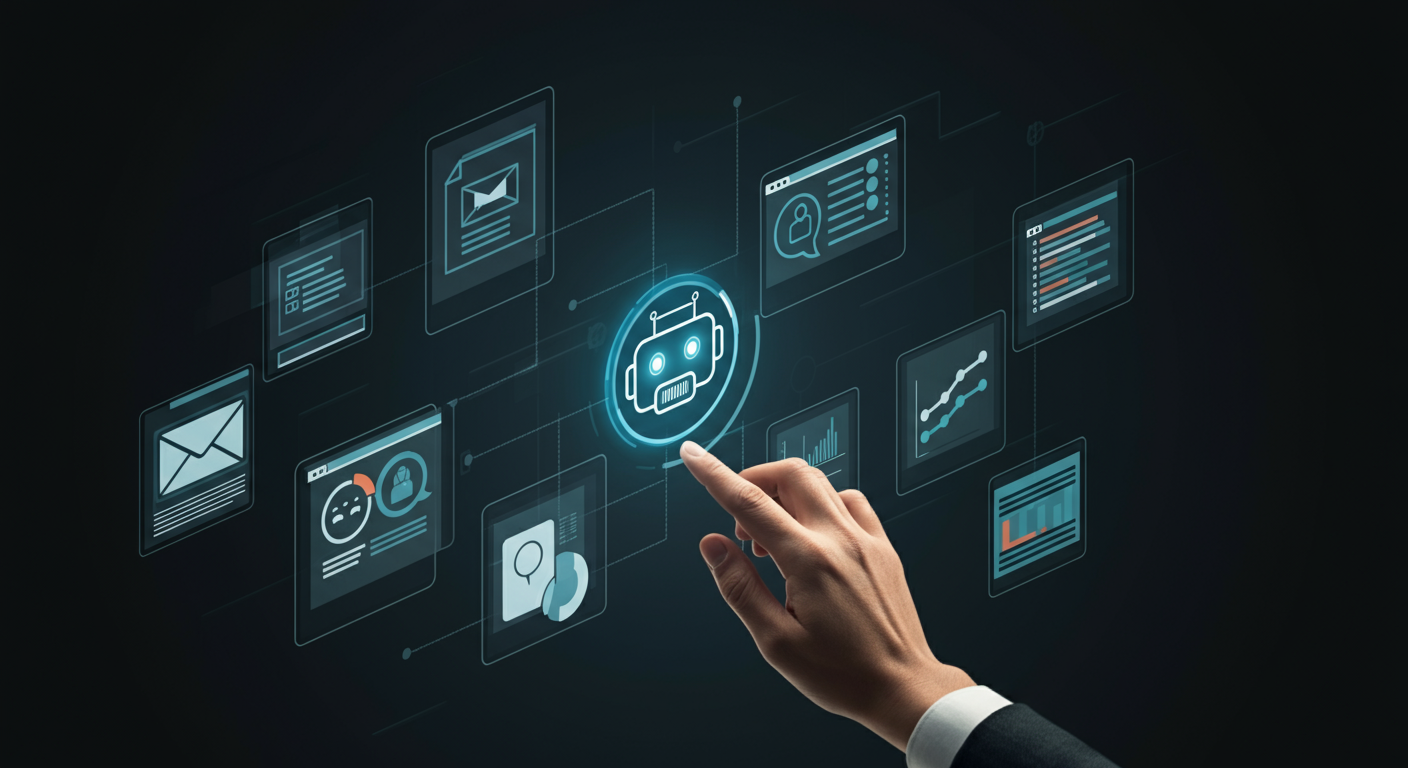
Seamless integration between your chatbot and existing systems is essential for turning conversations into actionable business insights. Begin by mapping chatbot fields—like name, email, company, and pain points—to corresponding CRM properties. Use webhooks or built-in connectors to push contact records automatically, triggering lead nurturing sequences based on chatbot interactions. Leverage marketing automation to send tailored follow-up emails, retarget visitors with personalized ads, or schedule calls for qualified leads. By consolidating data from multiple channels into a unified view, you empower sales teams with context-rich profiles and reduce manual data entry errors, resulting in faster response times and higher conversion rates.
Measuring Success and Optimizing Your Chatbot
Establish a robust analytics framework to track key performance indicators (KPIs) that align with your objectives. Core metrics include chat initiation rate (percentage of visitors engaging the bot), lead capture rate (percentage providing contact details), qualification rate (leads meeting predefined criteria), and overall ROI from chatbot-driven revenue. Dive into conversation logs to identify frequent drop-off points, ambiguous user queries, or low-performing flows. Conduct A/B tests on welcome messages, button texts, and conversation order to uncover variants that resonate best with your audience. Schedule quarterly reviews to assess performance trends, refine scripts, and introduce new features—ensuring your chatbot evolves with customer needs and industry developments.
Advanced Strategies: Personalization and AI-Driven Insights
To outpace competitors, leverage advanced AI capabilities that transcend basic rule-based responses. Integrate customer data from multiple channels—like purchase history, browsing patterns, and demographic details—to deliver hyper-personalized chatbot interactions. Implement predictive analytics models that score leads based on behavioral signals, prompting proactive outreach when thresholds are met. Use sentiment analysis to gauge user mood and adjust tone dynamically, offering empathy and reassurance where necessary. Additionally, consider deploying multi-language support and voice-enabled chatbots to broaden reach and cater to global audiences, further enhancing user experience and engagement rates.
Common Pitfalls to Avoid When Using Chatbots
- Overcomplicating Conversation Paths: Excessive branching can confuse users; prioritize simplicity and clarity in flows.
- Neglecting Continuous Training: Failing to update the bot with new information leads to outdated or incorrect responses.
- No Human Escalation: Users may abandon chat if they can’t reach a live agent for complex issues or sensitive topics.
- Ignoring User Feedback: Soliciting and acting on feedback is crucial for improving UX and maintaining relevance.
- Poor Response Latency: Slow or lagging replies can frustrate visitors and damage brand reputation.
- Privacy Oversights: Always ensure compliance with GDPR, CCPA, and other regulations when handling personal data.
Conclusion
AI chatbots are not just a trend; they represent a paradigm shift in how businesses generate and nurture leads. By automating initial touchpoints, personalizing interactions at scale, and seamlessly integrating with your CRM and marketing tools, chatbots empower organizations to operate more efficiently while delivering superior customer experiences. The journey from planning to execution requires clear objectives, robust platform features, and an iterative mindset focused on optimization. Start by deploying a small pilot, measure performance closely, and expand capabilities over time—incorporating advanced AI-driven personalization and multi-channel support. Embrace ongoing refinement, stay attuned to user feedback, and watch as your chatbot-driven lead generation efforts evolve into a significant competitive advantage.
Frequently Asked Questions (FAQ)
1. What are AI chatbots in lead generation?
AI chatbots are intelligent conversational agents that interact with website visitors, qualify leads, and capture important information, automating initial engagement while providing personalized support.
2. How do AI chatbots improve lead quality?
By asking targeted questions about budget, needs, and timeline, chatbots filter out unqualified prospects and route high-value leads to sales teams efficiently.
3. Can AI chatbots operate 24/7?
Yes. Chatbots provide round-the-clock engagement, capturing leads across time zones and during peak traffic hours without additional staffing costs.
4. How do chatbots integrate with CRMs and marketing tools?
They map chatbot fields to CRM properties, automate lead nurturing sequences, trigger follow-up emails, and consolidate data for context-rich lead profiles, improving sales efficiency.
5. What metrics should be tracked for chatbot success?
Key metrics include chat initiation rate, lead capture rate, qualification rate, conversion rate, engagement, and chatbot-driven revenue.
6. How can chatbots personalize interactions?
By leveraging customer data such as browsing history, past purchases, and demographics, chatbots can deliver tailored recommendations, predictive prompts, and dynamic responses.
7. What are common pitfalls to avoid?
Avoid overcomplicating flows, neglecting continuous training, not providing human escalation, ignoring user feedback, slow responses, and failing to comply with privacy regulations like GDPR and CCPA.
8. Are AI chatbots suitable for all business sizes?
Yes. They are scalable, cost-efficient, and beneficial for small to large businesses looking to automate lead generation while maintaining high-quality customer interactions.


Leave a Reply