


Interactive quizzes engage users, collect valuable insights, and drive qualified leads into your sales funnel. By combining gamification, personalization, and strategic marketing integration, quizzes boost engagement, improve lead quality, and enhance conversions. Proper planning, design, promotion, and analytics ensure maximum impact, transforming quizzes into a dynamic tool for growth and ROI.
In today’s competitive digital landscape, capturing the attention of prospective customers requires more than a static landing page or a generic email campaign. Interactive quizzes are a proven tactic to engage visitors, collect valuable data, and drive qualified leads into your sales funnel. With the right strategy, you can create a memorable brand experience, boost click-through rates, and convert quiz-takers into subscribers or customers.
Why Interactive Quizzes Work for Lead Generation

Interactive quizzes tap into our natural curiosity and desire for instant feedback. They combine gamification with personalization, offering quiz-takers a tailored result that feels relevant. Here’s why they succeed:
- High Engagement: Users spend more time interacting with content, reducing bounce rates and improving SEO signals.
- Data Collection: Every user response provides insights into preferences, pain points, and demographics.
- Social Sharing: Quizzes are inherently shareable, expanding your reach organically.
- Lead Qualification: You can segment leads based on quiz outcomes and tailor follow-up communications accordingly. Learn more about Hyperlocal Lead Generation
Types of Quizzes to Consider
Not all quizzes are created equal. Choose the format that aligns with your brand and audience goals:
- Personality Quizzes: Fun and shareable, they reveal which persona or archetype the user matches.
- Assessment Quizzes: Measure knowledge or skill levels, positioning your product or service as the next step.
- Scoring Quizzes: Users earn points based on choices, ideal for educational or training offers.
- Product Recommendation Quizzes: Guide customers to the best solution based on their needs.
Planning Your Quiz: Strategy and Objectives
Before designing questions, define your goals and KPIs. Ask yourself:
- What problem does the quiz solve? (e.g., product recommendations, self-assessment)
- Who is your target audience? (demographics, interests, pain points)
- Which data points matter most? (email, industry, budget)
- How will you follow up? (email sequence, retargeting ads)
Creating Engaging Quiz Questions
Well-crafted questions keep users invested. Use these tips:
- Keep it concise: Aim for 5–10 questions to balance depth and completion rate.
- Use simple language: Avoid jargon to maximize accessibility.
- Offer varied formats: Mix multiple-choice, rating scales, and image-based questions.
- Align options with outcomes: Design answers that map directly to specific result categories.
Design and User Experience Tips
A polished, intuitive interface can make the difference between a quiz that engages users and one that loses them halfway through. Implementing thoughtful UX design ensures that curious visitors not only start your quiz but also complete it, maximizing lead capture and engagement. Consider these best practices:
-
Mobile-First Design: With most users accessing content on smartphones or tablets, design your quiz to scale seamlessly on smaller screens. Ensure buttons, answer options, and navigation elements are easily tappable, and text is readable without zooming. A mobile-first approach reduces friction and improves completion rates.
-
Progress Indicators: Clearly display how many questions remain or what percentage of the quiz has been completed. Progress bars, step counters, or visual milestones keep users motivated, reduce anxiety about quiz length, and minimize drop-offs.
-
Visual Elements: Incorporate images, icons, or illustrations to break up text-heavy screens. Visual cues can make questions more engaging, clarify answer choices, and provide a more enjoyable experience, increasing the likelihood of full quiz completion.
-
Immediate Feedback: Offer instant confirmations when a user selects an option, such as subtle animations, micro-interactions, or color changes. Immediate feedback provides a sense of responsiveness and interactivity, keeping users engaged and enhancing the overall experience.
-
Consistency and Clarity: Use consistent fonts, colors, and button styles throughout the quiz. Clear instructions and intuitive navigation help users understand how to proceed, further reducing friction and improving engagement.
-
Accessibility Considerations: Ensure your quiz is accessible to all users, including those using screen readers or assistive devices. Include alt text for images, maintain sufficient color contrast, and design for keyboard navigation. Accessible design not only broadens your audience but also reflects positively on your brand.
By prioritizing user experience in your quiz design, you create an interface that encourages participation, keeps users engaged, and ultimately increases lead capture and conversion potential.
Integrating Quizzes into Your Marketing Funnel
To fully capitalize on the potential of interactive quizzes, it’s crucial to position them strategically within your marketing funnel to drive engagement, lead capture, and conversions. Consider the following approaches:
-
Top-of-Funnel Promotion: Share your quiz across social media platforms, embed it within relevant blog posts, or run targeted advertising campaigns to attract a broad audience. This generates initial awareness and draws visitors into your funnel by offering an engaging, interactive experience.
-
Email Capture: Gate quiz results behind an email opt-in form to collect contact information. Clearly communicate the value users will receive—such as personalized insights, recommendations, or exclusive content—to increase the likelihood of submissions.
-
Automated Follow-Up: Use segmented email sequences triggered by quiz outcomes to nurture leads. Personalized follow-ups based on quiz results can deliver targeted content, offers, or next steps, increasing engagement and conversion potential.
-
Retargeting Ads: Re-engage users who started but didn’t complete the quiz, or target high-value result groups with tailored ads. Retargeting helps capture potential leads who may need additional motivation to convert, ensuring your quiz continues to drive meaningful ROI.
By integrating quizzes seamlessly into each stage of your marketing funnel, you create a system that not only engages visitors but also captures actionable data, nurtures leads effectively, and drives measurable conversions.
Promoting Your Quiz for Maximum Reach
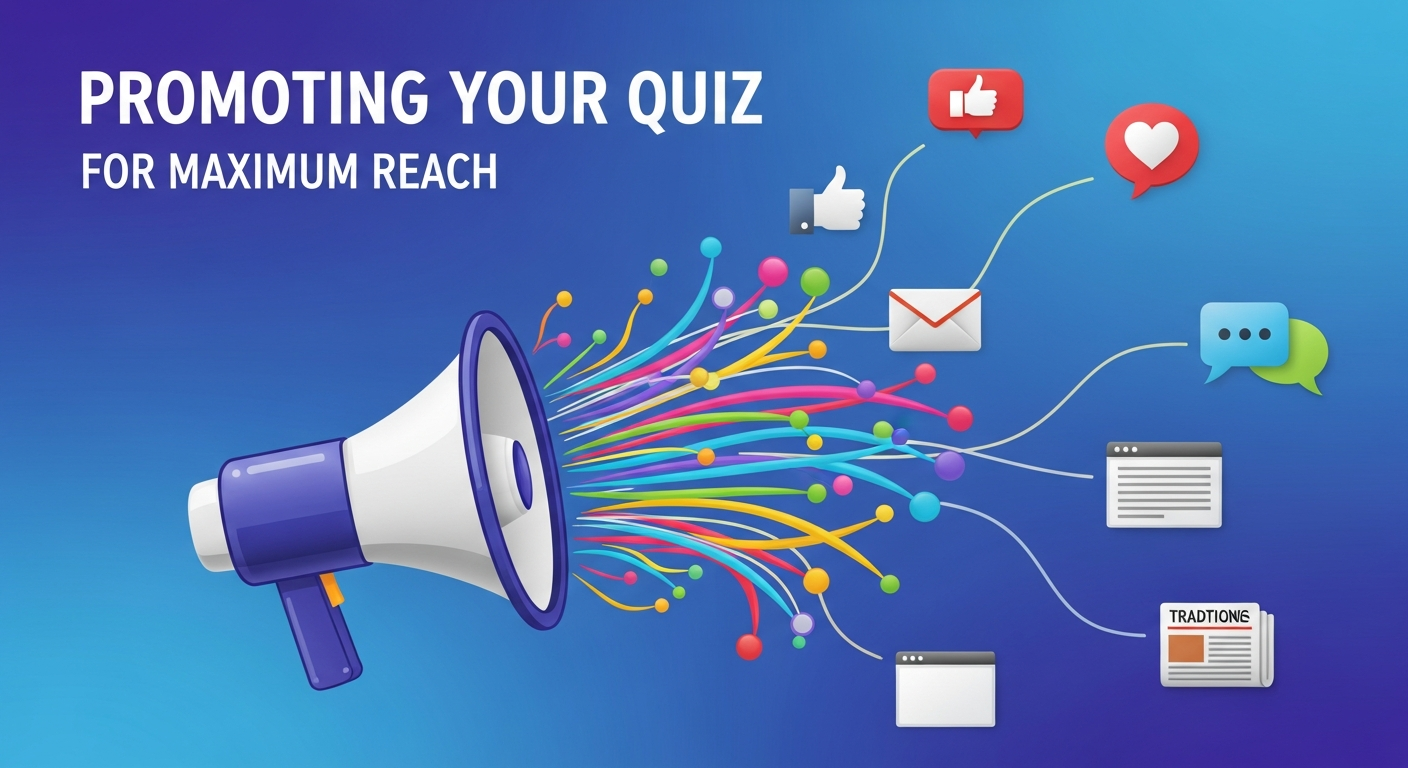
Creating a highly engaging quiz is only part of the journey—ensuring it reaches the right audience is equally important. To maximize visibility and participation, implement a multi-channel promotion strategy:
-
Social Media Campaigns: Share teaser posts and visual snippets across platforms like Facebook, Instagram, LinkedIn, and Twitter to spark curiosity. Highlight intriguing potential results, unique insights, or fun outcomes to entice users to participate.
-
Influencer Partnerships: Collaborate with niche influencers in your industry to take the quiz and share their results. Influencer endorsements help extend your reach to highly relevant audiences while adding credibility and trust.
-
Paid Advertising: Leverage targeted ads on platforms such as Facebook, Instagram, and Google Ads. Focus on lookalike audiences or retarget previous website visitors to drive qualified traffic and increase completion rates.
-
On-Site Pop-Ups and Prompts: Use strategically timed pop-ups, banners, or exit-intent overlays to invite high-traffic visitors to take the quiz. Ensure the messaging is clear and compelling, highlighting the value or reward for participation.
By combining organic, influencer, and paid channels, and optimizing placement and timing, you can significantly amplify quiz reach, engagement, and lead generation outcomes. Regularly review campaign performance and tweak strategies to achieve the highest possible participation rates.
Analyzing Results and Optimizing
To maximize the impact of your interactive quiz, it’s essential to continuously track performance and make data-driven improvements. Key metrics to monitor include:
-
Completion Rate: Measure the percentage of visitors who start and fully complete the quiz. A high completion rate indicates that the questions are engaging and the flow is intuitive, while a low rate may signal confusion or fatigue.
-
Opt-In Rate: Track the share of quiz-takers who submit their email or other requested information. This metric helps evaluate how compelling your value exchange is and whether your CTA messaging encourages participation.
-
Lead Quality: Assess the conversion or purchase behavior of leads generated through the quiz. Understanding which quiz outcomes correlate with high-value actions allows you to refine question mapping and segment follow-ups more effectively.
-
Engagement Metrics: Analyze the time users spend interacting with the quiz and the extent to which they share results on social media. High engagement signals that the quiz resonates with your audience and can amplify organic reach.
Regularly reviewing these metrics allows you to tweak question phrasing, result categories, visual design, and follow-up strategies. Implement A/B tests for different formats, question orders, and email sequences to identify what works best. By iterating based on performance data, your quiz can become a more effective tool for driving engagement, generating qualified leads, and boosting conversions over time.
Case Study: How Brand X Increased Leads by 200% with a Quiz
Brand X, a forward-thinking e-commerce retailer, implemented a product recommendation quiz designed to help visitors identify products matching their style preferences and budget. By strategically gating quiz results behind a concise email capture form, Brand X not only collected qualified leads but also integrated the quiz into targeted Facebook Ads campaigns to reach a wider audience of potential customers. Within just one month, this approach resulted in a 200% increase in lead volume, demonstrating the quiz’s effectiveness in attracting new prospects. Additionally, segmented follow-up emails sent to quiz participants achieved 35% higher open rates, reflecting improved audience engagement and relevance. Beyond lead generation, the quiz directly influenced purchasing behavior, contributing to a 15% boost in sales attributed to personalized product recommendations. This case highlights how interactive quizzes can simultaneously enhance lead quantity, improve lead quality, and drive measurable business outcomes, proving their value as a high-impact tool in modern inbound marketing strategies.
Best Practices and Common Pitfalls to Avoid

Successful quiz campaigns adhere to these guidelines:
- Value exchange: Always offer personalized insights or rewards for completion.
- Clear copy: Communicate the benefit of taking the quiz in headlines and CTAs.
- A/B testing: Experiment with question order, form fields, and result designs.
- Avoid lengthy forms: Only request essential information to maintain completion rates.
Conclusion
Interactive quizzes are far more than a simple novelty—they represent a powerful, dynamic tool for lead generation, capable of significantly enhancing user engagement, gathering in-depth customer insights, and fueling highly personalized marketing strategies. When executed thoughtfully, quizzes provide brands with actionable data that informs future campaigns, strengthens audience segmentation, and drives measurable business outcomes. By approaching quiz creation strategically, prioritizing an intuitive and enjoyable user experience, and consistently analyzing performance metrics, marketers can optimize results, increase conversion rates, and expand their sales pipelines. Beyond lead capture, quizzes also foster meaningful interactions, reinforce brand authority, and encourage social sharing, amplifying your marketing reach. Whether you’re aiming to educate your audience, recommend products, or uncover customer preferences, integrating interactive quizzes into your inbound strategy ensures a more engaging and rewarding journey for both users and your business. Begin designing your first quiz today, leverage the insights it provides, and watch your audience engagement, lead quality, and revenue grow exponentially over time.
FAQ: Interactive Quizzes for Lead Generation
1. What is an interactive quiz in marketing?
An interactive quiz is a gamified tool designed to engage users with questions, provide personalized results, and collect user data. It can help brands capture leads, segment audiences, and improve conversions through tailored follow-up communications.
2. Which types of quizzes work best for lead generation?
-
Personality Quizzes: Reveal user archetypes; fun and shareable.
-
Assessment Quizzes: Test knowledge or skills, guiding users to solutions.
-
Scoring Quizzes: Reward points for educational purposes or skill-building.
-
Product Recommendation Quizzes: Suggest products based on preferences or needs.
3. How many questions should a marketing quiz have?
Aim for 5–10 questions. This range balances user engagement, data collection depth, and completion rates, keeping participants invested without overwhelming them.
4. How can I capture leads using quizzes?
Gate quiz results behind an email opt-in form. Use clear messaging to explain the value of submitting an email, such as personalized recommendations, tips, or exclusive offers.
5. What are common mistakes to avoid when running quizzes?
-
Asking for too much information upfront
-
Neglecting mobile-friendly design
-
Providing generic, non-personalized results
-
Ignoring analytics and performance tracking
-
Overcomplicating questions or options
6. How do I promote my quiz effectively?
Promote via social media posts, influencer collaborations, email campaigns, paid ads, and on-site pop-ups. Highlight intriguing results or benefits to entice users to participate.
7. How can I measure quiz success?
Track completion rate, email opt-in rate, lead quality, conversion rate, time spent on the quiz, and social sharing. Use analytics to refine questions, form placement, and follow-up communications for continuous improvement.
8. Can quizzes improve sales, not just leads?
Yes. Product recommendation or scoring quizzes can guide users to the best solution, increasing purchase intent. Integration with follow-up emails or retargeting campaigns can directly impact conversions and revenue.



Leave a Reply