

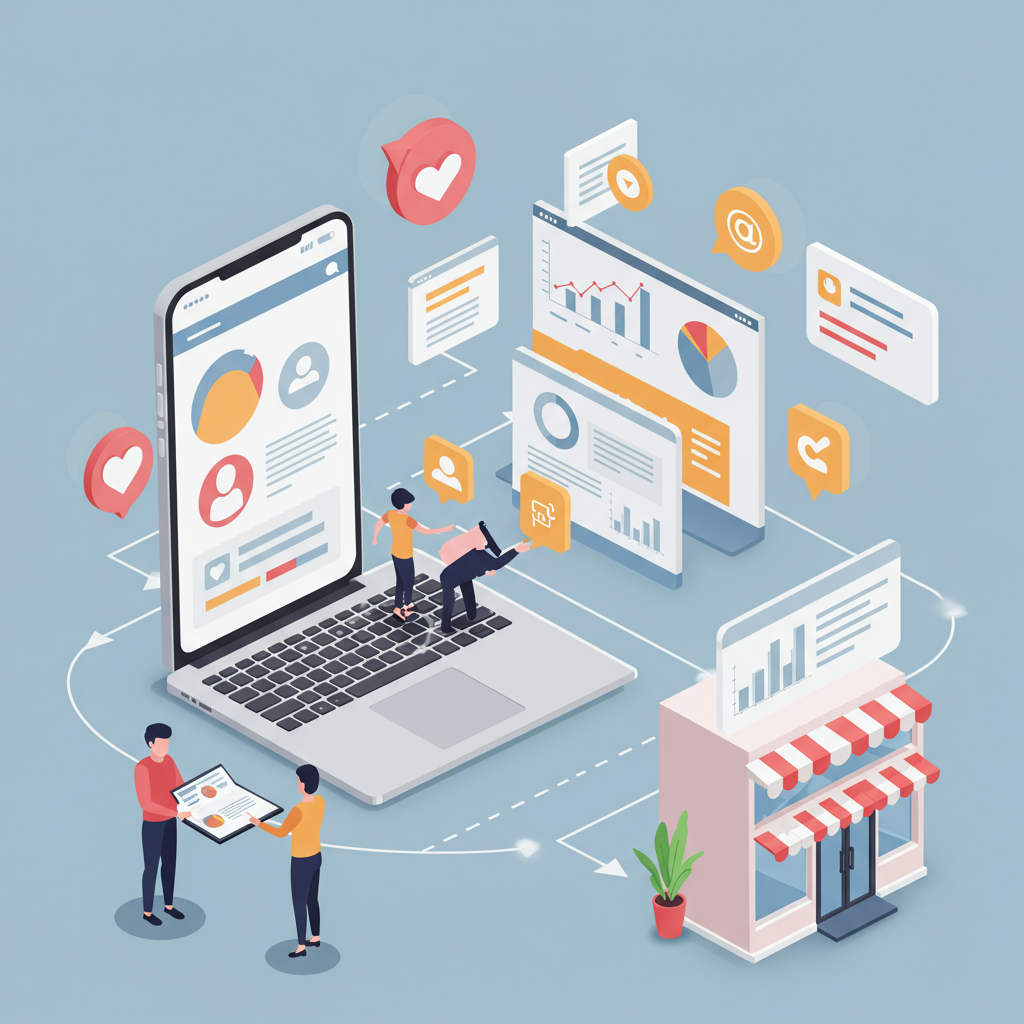
Omnichannel lead generation unifies online and offline touchpoints to capture, nurture, and convert prospects efficiently. By mapping customer journeys, aligning messaging, leveraging automation, personalizing content, and integrating events, QR codes, and social channels, businesses drive higher-quality leads and growth.
In today’s hyper-connected world, customers engage with brands across a variety of touchpoints before making a purchase. Whether interacting via social media, email campaigns, websites, physical storefronts, or in-person events, they expect a seamless, consistent experience that acknowledges their needs and preferences.
Omnichannel lead generation integrates these online and offline channels into a unified strategy, designed to capture attention, nurture prospects, and drive high-quality leads throughout the buyer’s journey. By coordinating marketing, sales, and customer service efforts, businesses can break down operational silos, gather richer data, and deliver personalized outreach that effectively guides prospects toward conversion.
This guide explores 11 actionable strategies for building an integrated omnichannel lead generation system. Following these strategies will help you align messaging, maximize engagement, and accelerate business growth by creating a cohesive, future-proof approach that adapts to evolving customer behaviors.
Understand Your Customer Journey

Begin by mapping every step of your prospect’s path—from initial awareness to final purchase. Identify which channels they use to research your products or services, such as search engines, social media, events, or direct mail. Use surveys, analytics tools, and CRM data to uncover pain points, preferred formats, and common drop-off points. A clear journey map helps you deliver the right message at the right time, whether online or in person. Learn more about Interactive Lead Generation.
Create Unified Messaging and Branding
Consistency builds trust. Ensure your brand voice, visuals, and core value propositions are aligned across every channel. Whether a prospect sees your ad on Facebook, receives an email, or visits a trade show booth, they should immediately recognize your company and understand your offer. Use a central content library and brand guidelines to maintain cohesion and streamline asset creation for marketing, sales, and events teams.
Leverage CRM and Marketing Automation
A robust CRM serves as the backbone of omnichannel lead generation. Capture interactions from online forms, email clicks, event registrations, and call logs in a single platform. Implement marketing automation workflows to trigger follow-up sequences based on behavior—for instance, sending a case study email when a prospect downloads a whitepaper, or a SMS reminder ahead of an offline event. Automation nurtures leads at scale while preserving personalization.
Optimize Your Website and Landing Pages
Unify your digital and offline channels to capture, nurture, and convert leads seamlessly. From websites and emails to events and social media, omnichannel strategies drive engagement, trust, and higher-quality prospects. Measure, personalize, and scale for maximum results.
Omnichannel Lead Generation Strategies – Summary Table
| Strategy | Best Practices | Purpose / Benefit |
|---|---|---|
| 1. Understand Your Customer Journey | Map each step from awareness to purchase; track channels, pain points, and drop-offs using surveys, analytics, and CRM data. | Delivers the right message at the right time, increasing conversion likelihood. |
| 2. Create Unified Messaging and Branding | Align brand voice, visuals, and value propositions across all channels; use central content library and brand guidelines. | Builds trust and recognition, ensuring consistent experiences across touchpoints. |
| 3. Leverage CRM & Marketing Automation | Capture all interactions in a single platform; trigger automated, behavior-based follow-ups. | Nurtures leads at scale while maintaining personalization and efficiency. |
| 4. Optimize Website & Landing Pages | Mobile-responsive, fast-loading pages with clear CTAs; A/B test headlines, forms, and imagery; create dedicated landing pages for offline campaigns with QR codes or short URLs. | Improves digital conversion rates and tracks offline-to-online interactions. |
| 5. Engage Through Social Media Channels | Run synchronized campaigns across LinkedIn, Facebook, Instagram, and Twitter; use lead gen forms and gated content; monitor engagement and respond to comments. | Captures inbound interest, builds authority, and amplifies reach. |
| 6. Integrate Email Marketing with Offline Touchpoints | Connect email lists to offline events; personalize based on in-person data; automate post-event sequences. | Strengthens relationships and drives prospects back to digital assets or sales calls. |
| 7. Host and Sponsor In-Person Events | Collect attendee data via badge scans, business cards, or QR-coded giveaways; follow up with personalized emails. | Combines offline rapport with digital nurturing, increasing trust and qualification. |
| 8. Use QR Codes & Geotargeted Ads | Place QR codes on signage, print ads, and packaging; use geotargeted mobile ads near locations or events. | Bridges physical and digital channels, capturing local interest and tracking engagement. |
| 9. Implement Chatbots & Live Chat | Configure chatbots to pre-qualify leads and route high-intent visitors; integrate transcripts into CRM. | Provides instant support, qualifies leads in real-time, and maintains personalization. |
| 10. Personalize Through Data & Segmentation | Collect behavioral, demographic, and firmographic data; tailor content and offers; use dynamic content in emails and landing pages. | Increases engagement, shortens sales cycles, and improves conversion rates. |
| 11. Measure, Analyze, & Refine | Track lead source, cost per lead, conversion rate, and time-to-conversion; use CRM and UTM tracking; hold regular cross-functional reviews. | Optimizes performance, identifies best tactics, and ensures scalable, efficient campaigns. |
Engage Through Social Media Channels
Social platforms offer powerful targeting and engagement features. Run synchronized campaigns on LinkedIn, Facebook, Instagram, and Twitter to reinforce your message. Use lead generation forms on social ads, but also drive prospects to download gated content on your website. Monitor engagement, respond to comments, and participate in relevant groups or industry hashtags to build authority and capture inbound interest.
Integrate Email Marketing with Offline Touchpoints
Email remains one of the highest-ROI channels for nurturing leads. Link your email lists with offline activities: after hosting a workshop, automatically enroll attendees in a post-event email series featuring related resources. Personalize emails using data collected in-person—such as stated pain points or interests—to deepen the relationship and guide readers back to digital assets or sales calls.
Host and Sponsor In-Person Events
Trade shows, meetups, and workshops provide invaluable face-to-face interaction. Collect badge scans or business cards to import directly into your CRM. Offer interactive demos or QR-coded giveaways to drive attendees online. Post-event, send personalized follow-ups that reference conversations you had at the booth. Blending offline rapport with digital nurturing accelerates trust and qualification.
Use QR Codes and Geotargeted Ads
Bridge the physical and digital worlds by placing QR codes on signage, print ads, and packaging. Link codes to exclusive offers or forms, and track scans to measure offline engagement. Combine with geotargeted mobile ads that appear to customers near your retail locations or event venues. This approach captures local interest and drives prospects into your online ecosystem for further nurturing.
Implement Chatbots and Live Chat
Real-time conversation tools on your website, such as chatbots and live chat, allow you to engage visitors immediately and qualify leads instantly. Properly configured chatbots can ask pre-qualification questions to determine visitor intent and route high-potential prospects directly to sales representatives or automatically schedule calls, ensuring timely follow-up.
Integrating chat transcripts, ratings, and conversation history into your CRM ensures that offline sales or support teams have full context on each lead, enabling more informed interactions and reducing redundant communication. Chatbots also bridge time zones, providing 24/7 support to global audiences while maintaining a personalized touch, even when human agents aren’t available.
Personalize Through Data and Segmentation
Collect behavioral, demographic, and firmographic data across channels to segment your audience. Tailor content and offers based on industry, company size, or past interactions. Use dynamic content in emails and landing pages to swap headlines, images, or case studies that resonate with each segment. Personalized journeys outperform generic outreach and shorten the sales cycle.
Measure, Analyze, and Refine
Track key metrics across all channels, such as lead source, cost per lead, conversion rate, and time to conversion. Use UTM parameters, CRM analytics, and offline tracking methods to attribute performance accurately. Hold regular cross-functional reviews to identify top-performing tactics and areas for improvement. Continuous optimization ensures your omnichannel engine stays efficient and scalable.
Conclusion
Omnichannel lead generation turns disconnected marketing and sales touchpoints into a seamless, integrated experience that guides prospects efficiently from discovery to conversion. By thoroughly understanding the customer journey, businesses can identify key touchpoints, address pain points, and deliver the right message at the right time across every channel.
Aligning messaging and branding consistently across digital and offline platforms builds trust and strengthens recognition, while leveraging automation and CRM systems ensures timely, personalized follow-ups that nurture leads at scale. Integrating digital and physical tactics—from websites, emails, and social media to in-person events, QR codes, and geotargeted ads—creates a holistic approach that captures higher-quality leads.
By implementing these 11 actionable strategies, continuously measuring performance, and refining your approach based on data, you can build a resilient, adaptable, and future-proof lead generation system that scales with evolving customer behaviors. Start today to optimize engagement, improve conversions, and accelerate business growth.
Frequently Asked Questions
1. What is omnichannel lead generation?
It’s a strategy that integrates multiple online and offline channels to provide a seamless, consistent experience that captures and nurtures leads throughout the buyer’s journey.
2. Why is mapping the customer journey important?
It identifies the touchpoints prospects use, their pain points, and drop-off areas, enabling you to deliver the right message at the right time.
3. How do CRM and marketing automation help?
They centralize data, track interactions, and trigger personalized follow-ups, allowing efficient nurturing at scale.
4. How can offline events support lead generation?
Workshops, trade shows, and meetups allow face-to-face interaction, lead capture via badge scans or QR codes, and post-event personalized follow-ups.
5. What role do QR codes and geotargeted ads play?
They bridge physical and digital channels, track offline engagement, and drive prospects into online nurturing workflows.
6. How does personalization improve results?
Segmented content and offers based on behavior, demographics, or firmographics increase engagement, conversions, and shorten the sales cycle.
7. How should performance be measured?
Track metrics like lead source, cost per lead, conversion rates, and time-to-conversion using CRM data, UTM tracking, and offline methods.
8. How often should omnichannel strategies be refined?
Regular cross-functional reviews and continuous optimization based on analytics ensure campaigns remain effective and scalable.


Leave a Reply