

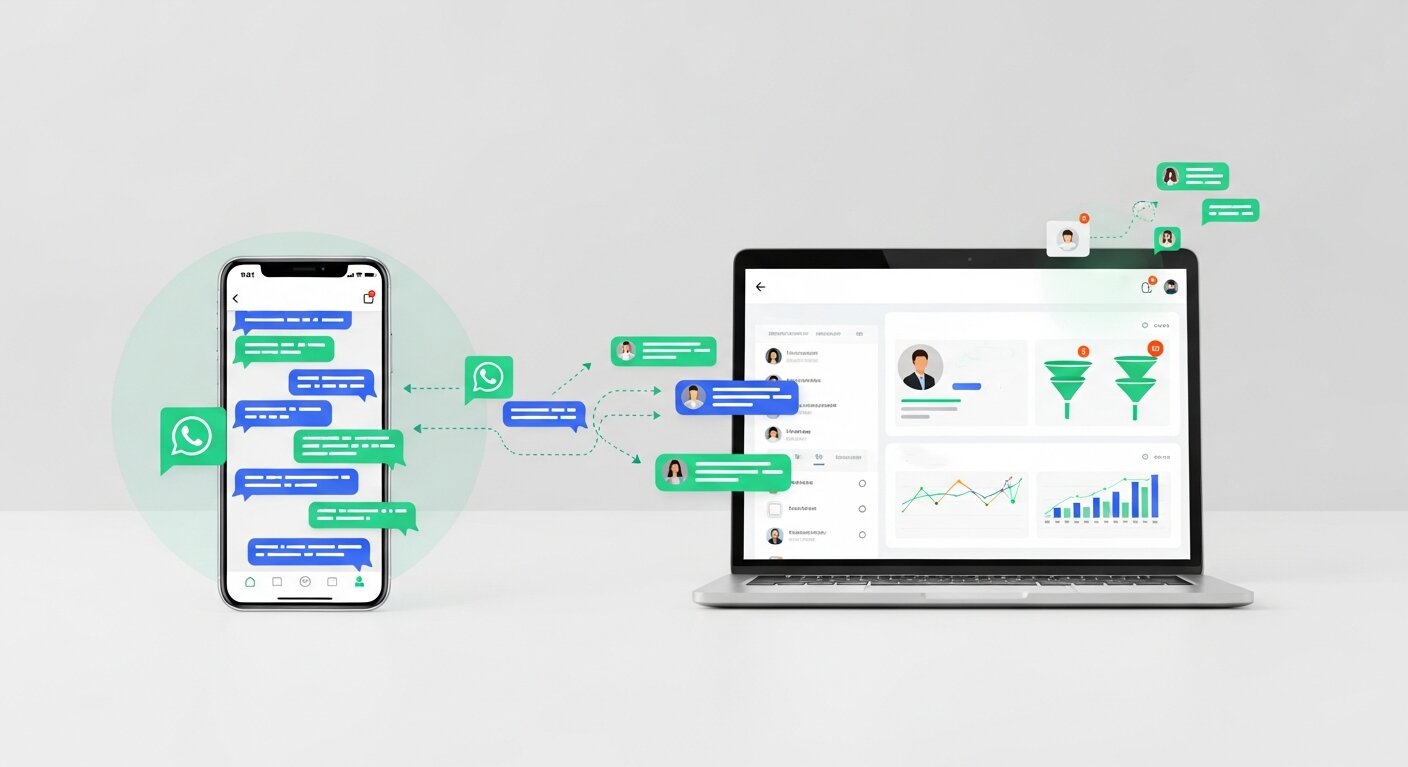
Why WhatsApp is a Powerful Tool for Lead Generation
Traditional outreach channels like email and cold calls often struggle with low engagement and deliverability issues. In contrast, WhatsApp messages garner exceptional visibility because users receive instant notifications on their devices. This high visibility translates to open rates that can exceed ninety percent, a figure that outshines most marketing mediums. Beyond mere opens, response rates on WhatsApp are notably higher, as recipients view messages as more personal and less intrusive.
Key Advantages
- Instant engagement: Messages pop up on users’ screens, driving immediate attention.
- One-to-one rapport: Conversations unfold in familiar chat threads, fostering trust.
- Rich content delivery: Support for images, videos, documents, and quick-reply buttons.
- Global penetration: Connect across borders with built-in encryption ensuring privacy.
Because prospects habitually check WhatsApp for personal communications, the platform offers a comfortable setting for business dialogues. This comfort reduces friction, encouraging faster feedback and more genuine conversations. Furthermore, businesses can leverage broadcast lists and group features to share announcements with segmented audiences, capturing interest passively through status updates.
By integrating WhatsApp with customer relationship management (CRM) systems, sales and marketing leaders can monitor engagement in real time. This multimodal visibility allows teams to prioritize the hottest leads and tailor follow-ups based on behavior signals. As a result, companies that adopt WhatsApp lead generation witness faster qualification times and higher pipeline velocity compared to organizations that rely solely on traditional methodssales pipelines
Getting Started with Your WhatsApp Business Profile
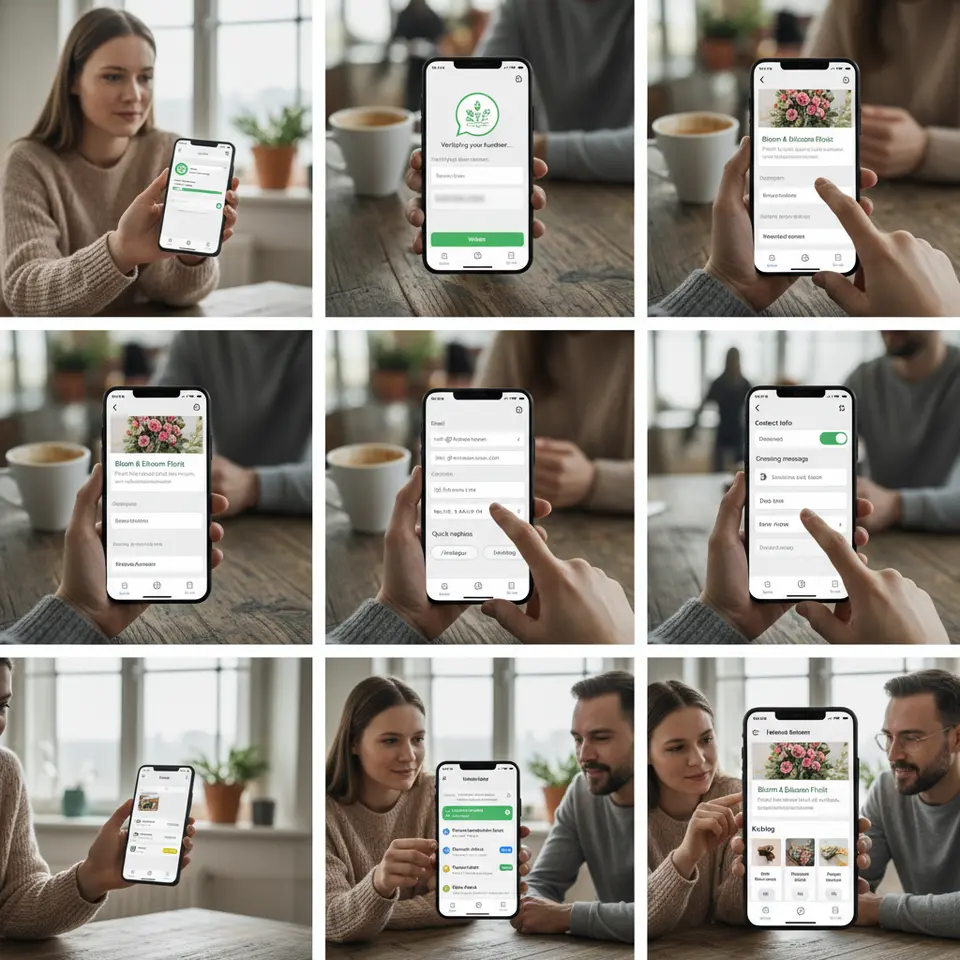
A polished business profile on WhatsApp sets the tone for professional interactions and builds instant credibility. Before sending your first message, take time to optimize every element of your account.
Step 1: Installation and Verification
Install the WhatsApp Business app on a dedicated device or use the Business API for larger teams. Register with a phone number reserved exclusively for customer interactions to avoid mixed-use confusion. During setup, verify your number through the in-app SMS or call prompt.
Step 2: Profile Enhancement
- Business Name: Use the exact registered company name or a recognizable brand handle.
- Logo and Banner: Upload a clear logo and an engaging cover image that aligns with your branding guidelines.
- Description: Craft a concise summary of your products or services, including your website URL for additional information.
- Contact Details: List office hours, email, and address to reassure prospects of reliability.
Step 3: Messaging Tools Configuration
Enable automated greetings to welcome new contacts, and set up quick replies for FAQs to accelerate responses. Organize conversations using labels—such as ‘New Inquiry,’ ‘Demo Scheduled,’ or ‘Closed’—to streamline lead tracking. For businesses with catalogs, add product or service listings directly within WhatsApp to allow prospects to browse offerings without leaving the app.
By investing these initial minutes into profile optimization, you create a seamless experience that encourages trust. Prospects will feel confident knowing they can reach out during business hours and receive prompt, relevant answers through the same channel they use for personal chats.
Building a Messaging Blueprint That Converts
Once your profile is in place, the heart of your WhatsApp lead generation program becomes messaging strategy. A well-structured communication plan addresses audience segmentation, content format, timing, and calls to action.
Audience Segmentation
Divide your contact list by source (e.g., website form submissions, social media ads), industry, or expressed interests. This allows you to customize your value proposition. For instance, a prospect who downloaded a pricing guide may appreciate a follow-up showcasing case studies, while someone who attended a webinar could receive a discount code for a first purchase.
Content Formats
- Text Messages: Keep them concise, with a single clear objective per message.
- Visual Assets: Include product photos, infographics, or short video clips to illustrate benefits.
- Documents: Share whitepapers or spec sheets as PDF attachments for deeper dives.
- Interactive Buttons: Use call-to-action buttons for direct actions like ‘Book a Demo’ or ‘Get a Quote.’
Timing and Frequency
Send messages during core business hours to respect recipients’ daily routines. Avoid weekends and late nights to maintain a professional image. Establish a cadence, such as an initial outreach followed by a friendly reminder after 48 hours, and a final nudge a week later. Test different intervals to find the optimal balance between persistence and courtesy.
Clear Calls to Action
Every message should guide prospects toward the next logical step—whether it’s scheduling a call, replying with a keyword, or clicking a link to download a resource. Ambiguity can stall the conversation, so be explicit about what you want the recipient to do and how they can do it right in the chat.
Scaling Outreach with Automation and Chatbots

As your WhatsApp audience grows, manually managing every interaction becomes impractical. Automation via the WhatsApp Business API unlocks possibilities for chatbots and CRM integration, helping teams handle hundreds—or even thousands—of conversations simultaneously.

Conclusion
WhatsApp lead generation offers a blend of immediacy, personalization, and automation that distinguishes it from traditional marketing channels. By establishing a well-branded business profile, designing targeted messaging flows, and leveraging automation through chatbots, organizations can engage prospects in real time and accelerate their sales pipelines. Rigorous adherence to privacy guidelines—such as those outlined by GDPR regulations—ensures that every outreach is compliant and respectful of user preferences. Moreover, by integrating with CRM systems and analytics platforms, marketers gain the insights needed to measure performance, optimize campaigns, and continuously improve lead quality. External resources like research from the Harvard University and health communications strategies recommended by the World Health Organization can provide additional best practices for messaging design and privacy compliance.



Leave a Reply