

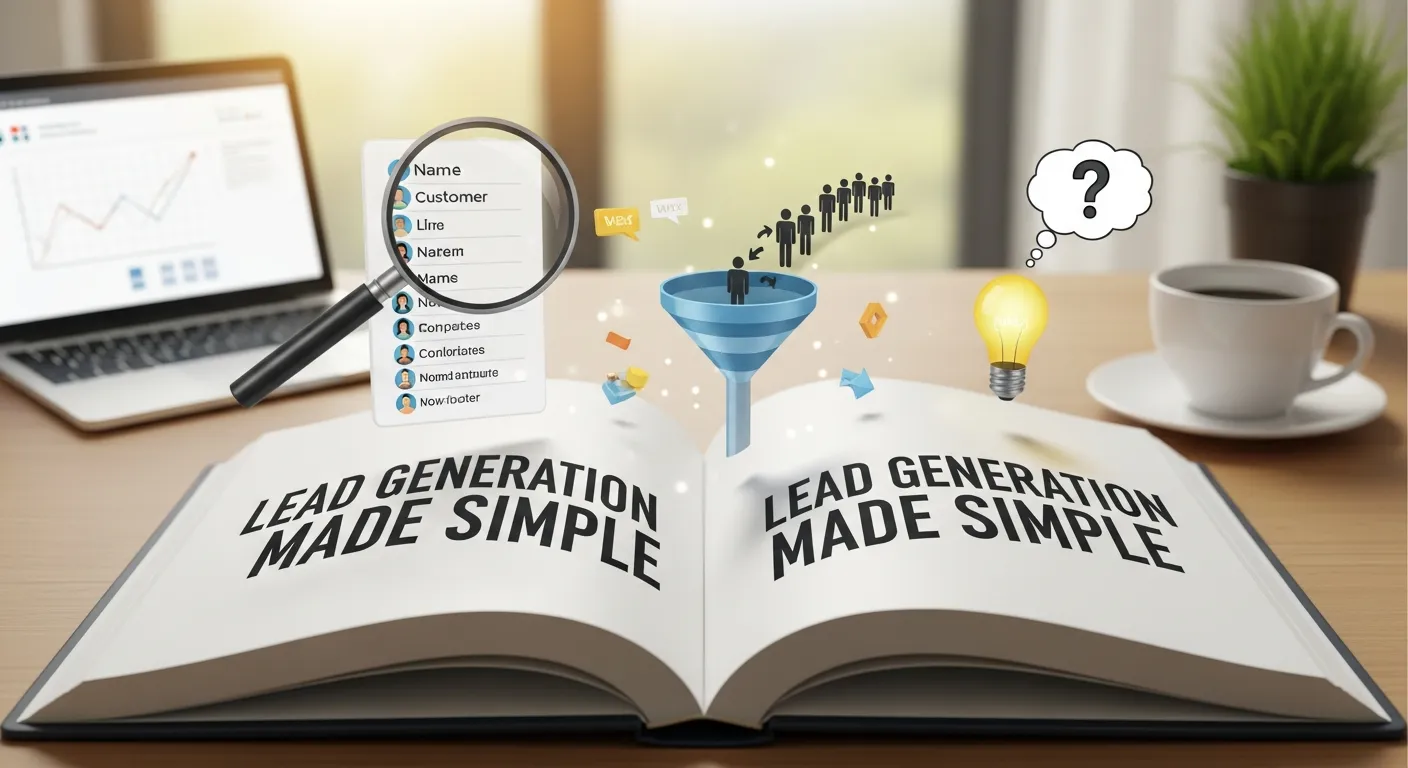
In the fast-evolving digital economy of 2026, mastering Lead Generation is the single most effective way to ensure your business remains competitive, visible, and consistently profitable.
This comprehensive guide simplifies the complexities of Lead Generation, exploring the synergy between organic reach, paid advertising, and AI-driven automation. We provide actionable insights into capturing high-intent prospects and utilizing modern tools to turn interest into a sustainable revenue stream for your company.
What is Lead Generation in Marketing?
To understand Lead Generation, one must view it as the bridge between brand awareness and a completed sale. It is the process of stimulating and capturing interest in a product or service for the purpose of developing a sales pipeline. According to Wikipedia, this often involves digital channels that have evolved significantly since the early days of the internet.
Is Lead Generation Sales or Marketing?
The question of whether lead generation is sales or marketing is a common point of confusion. In 2026, it is both. Marketing focuses on the “Top of Funnel” (TOFU) activities—like creating a lead magnet in digital marketing—while Sales focuses on the “Bottom of Funnel” (BOFU) conversion, often utilizing Master lead generation and telemarketing techniques to close the deal.
The Lifeblood of Business Success
Why is this process so vital? Simply put, why lead generation is important for your business success comes down to predictability. Without a steady stream of new inquiries, a business is forced to rely on inconsistent word-of-mouth.
Demand Generation vs Lead Generation
It is important to distinguish between the two. Demand generation is the act of creating interest in your category (e.g., teaching people why they need cybersecurity), whereas Lead Generation is capturing that interest into a CRM for lead management (e.g., getting their email in exchange for a security audit).
High-Performance Lead Generation Strategies
1. Facebook Page Lead Generation
One of the most robust ways to capture data is through a Facebook lead generation campaign. By utilizing Meta’s built-in “Instant Forms,” you can gather user information without them ever leaving the app. However, before you start, you must know how to accept the terms of service for Facebook page lead generation to ensure your account remains compliant with privacy laws.
2. LinkedIn: The B2B Goldmine
If you want to generate sales leads on LinkedIn, your approach must be more professional and data-driven. Using LinkedIn Sales Navigator allows you to target decision-makers based on job title, company size, and even recent company growth. This is a staple for any comprehensive guide to B2B lead generation.
3. Instagram Lead Generation
Instagram has moved beyond “pretty pictures.” Instagram Lead Generation now utilizes Reels and “Link” stickers in Stories to drive traffic to high-converting landing pages. It is an essential part of B2C lead generation campaigns.
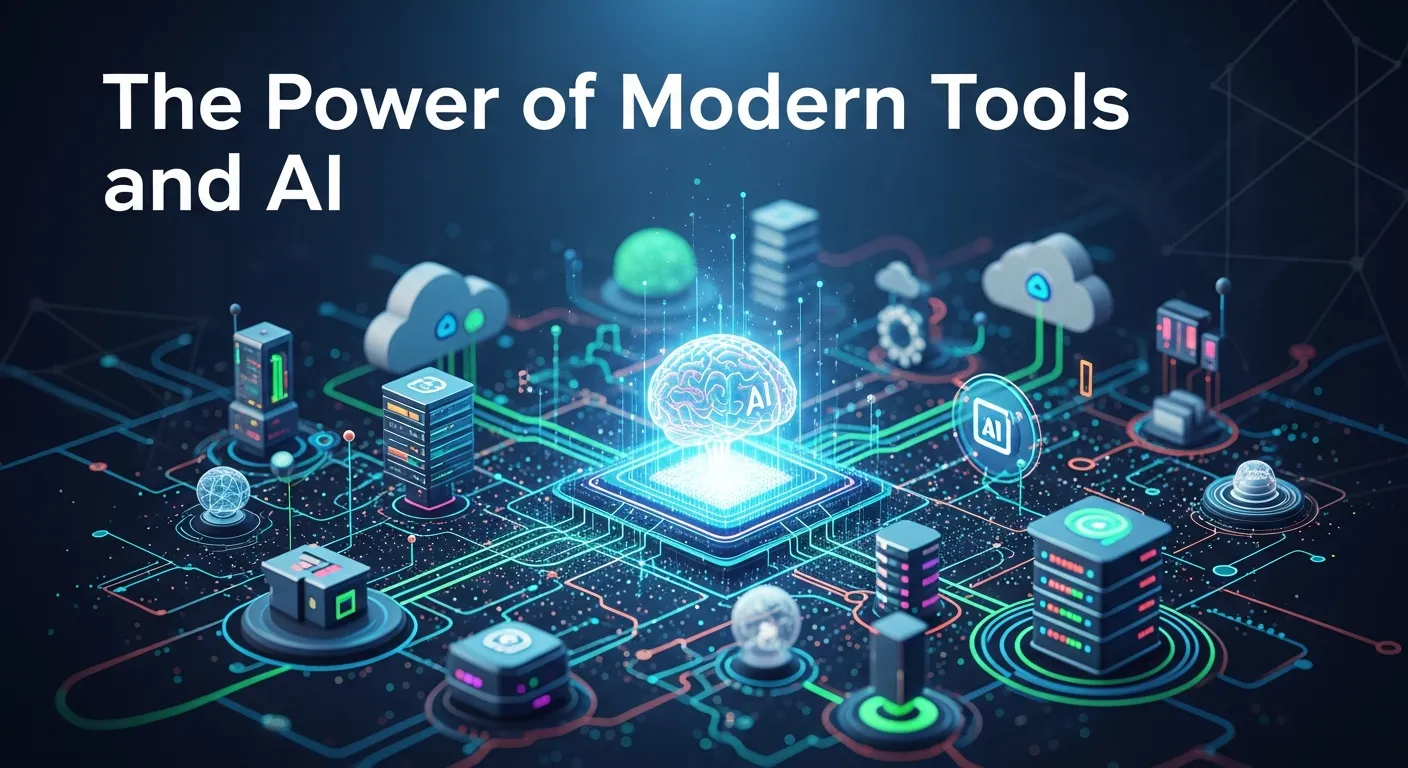
The Power of Modern Tools and AI
1. Leveraging AI Chatbots for Lead Generation
In 2026, the speed to lead is everything. Harnessing AI chatbots for lead generation ensures that if a customer lands on your site at 3:00 AM, they receive an immediate response. A lead generation bot can qualify the visitor, answer FAQs, and book a meeting directly in your calendar.
2. Automated Lead Generation Tools
Manual data entry is a relic of the past. Using automated lead generation tools like Zapier or HubSpot, you can sync leads from your Facebook Page Lead Generation forms directly into your sales pipeline, triggering an immediate follow-up email.
Niche Lead Generation Tactics
| Industry | Strategy | Key Focus |
| Real Estate | Property Insights | Real Estate Wholesale Lead Generation |
| Legal | Case Consultations | Lead Generation for Personal Injury Lawyers |
| Solar | Savings Calculators | How to Generate Solar Leads |
| B2B | Whitepapers | A SEO Lead Generation Company |
Real Estate Wholesale Lead Generation
In the property market, undeniable real estate wholesale lead generation tactics include targeting “absentee owners” or homeowners in financial distress. By offering a “Fast Cash Offer” via Facebook Page Lead Generation, wholesalers can secure deals before they ever hit the open market.
Essential Metrics and Optimization
To succeed, you must track essential lead generation metrics.
- Cost Per Lead (CPL): How much you spend to acquire one contact.
- Conversion Rate: The percentage of visitors who become leads.
- MQL to SQL Ratio: How many Marketing Qualified Leads become Sales Qualified.
Landing Page Optimization
Your ads are only as good as the page they lead to. Landing page optimization involves A/B testing headlines, CTA colors, and form lengths. A high-converting page is the core of any lead generation machine.
Common Pitfalls: Quality vs. Quantity
The “Low-Lead” Logic
Just as a car won’t run on low-lead gasoline, your sales team won’t thrive on “low-quality” leads. Avoid companies that promise thousands of leads in seconds—these are often scraped, unverified emails. Instead, focus on hyper-personalized lead generation that targets real people with real problems.
Is There Any Legitimacy to Lead-Generating Websites?
Many people ask, is there any legitimacy to lead-generating websites? The answer is yes, provided they use transparent methods like SEO lead generation or PPC lead generation. Avoid those that lack a clear privacy policy or use “black-hat” tactics.
Comparison of Lead Generation Platforms
| Platform | Best For | Key Advantage |
| B2B / Professional | High-intent decision-makers | |
| Local / B2C | Facebook Page Lead Generation tools | |
| Intent-based Search | Captures people actively searching | |
| Visual / Lifestyle | High engagement and brand loyalty |
The Psychology of Consumer Intent
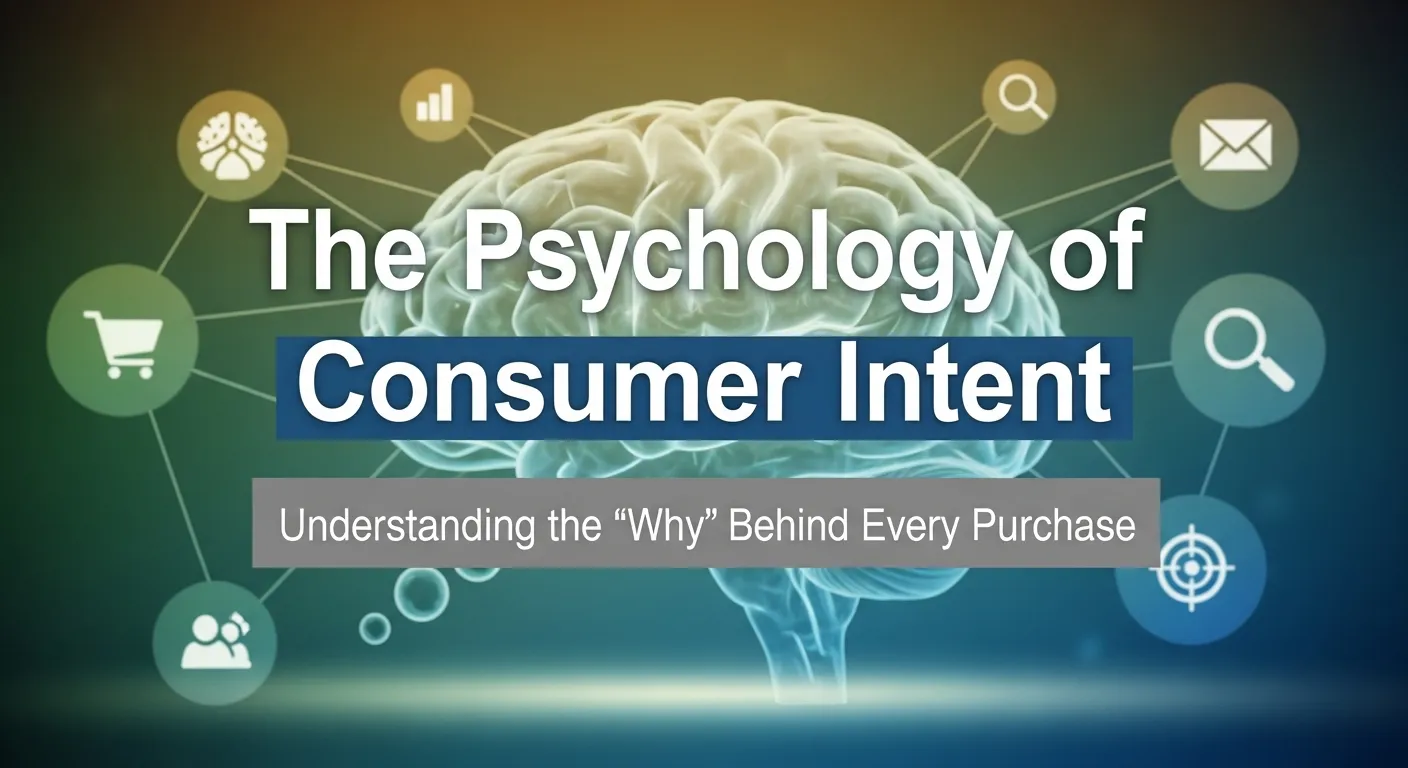
Understanding the “Why” behind a click is as important as the click itself. In the digital age, prospects move through various psychological stages—from unawareness to problem-aware, and finally to solution-aware. By aligning your messaging with these psychological stages, you reduce cognitive friction. High-converting frameworks focus on empathy-based marketing, where the brand positions itself as the guide and the customer as the hero of their own journey.
Zero-Party Data: The Privacy-First Revolution
As third-party cookies disappear, the most valuable data is “Zero-Party Data”—information that a customer intentionally and proactively shares with a brand. This can include preference center data, purchase intentions, or personal context. Unlike data collected through tracking, this is gathered through direct dialogue, such as interactive polls or preference-based surveys, creating a foundation of transparency and mutual benefit.
The “Lindy Effect” in Marketing Longevity
The Lindy Effect suggests that the future life expectancy of a non-perishable thing, like an idea or a business strategy, is proportional to its current age. In marketing, this means that while flashy new apps come and go, fundamental principles like storytelling, social proof, and direct response remain timeless. Balancing “shiny object” trends with time-tested foundational strategies is the key to creating a resilient brand.
Building Trust Infrastructure
In a world of deepfakes and automated spam, “Trust Infrastructure” is a brand’s greatest asset. This includes visible security badges, authentic user-generated content (UGC), transparent pricing, and verifiable third-party reviews. When a prospect enters your ecosystem, they are looking for “trust signals” that prove you are a legitimate entity capable of delivering on your promises.
The “Flywheel” vs. The Funnel
While the traditional funnel is linear (prospect enters at the top, customer exits at the bottom), the “Flywheel” model suggests that customers are the primary driver of growth. By providing an exceptional post-purchase experience, you turn customers into advocates. These advocates then generate new interest through word-of-mouth and social sharing, creating a self-sustaining cycle of momentum that requires less “push” marketing over time.
Friction Logging: Smoothing the Path to Conversion
Friction logging is the process of a team member going through their own customer journey to identify “pain points.” Is the form too long? Does the page load slowly on mobile? Is the CTA confusing? By systematically removing these micro-hurdles, you can significantly increase your conversion rate without spending an extra dollar on traffic. It is often the smallest technical tweaks that yield the largest financial returns.
The Role of Community-Led Growth
In 2026, brands are moving beyond “audiences” and toward “communities.” Community-led growth involves creating spaces—such as private forums, Slack channels, or exclusive social groups—where your customers can interact with each other. This builds a sense of belonging and “stickiness” that a traditional transactional relationship cannot match. When your customers help each other, your support costs go down, and your retention goes up.
Cognitive Biases in Digital Decision Making
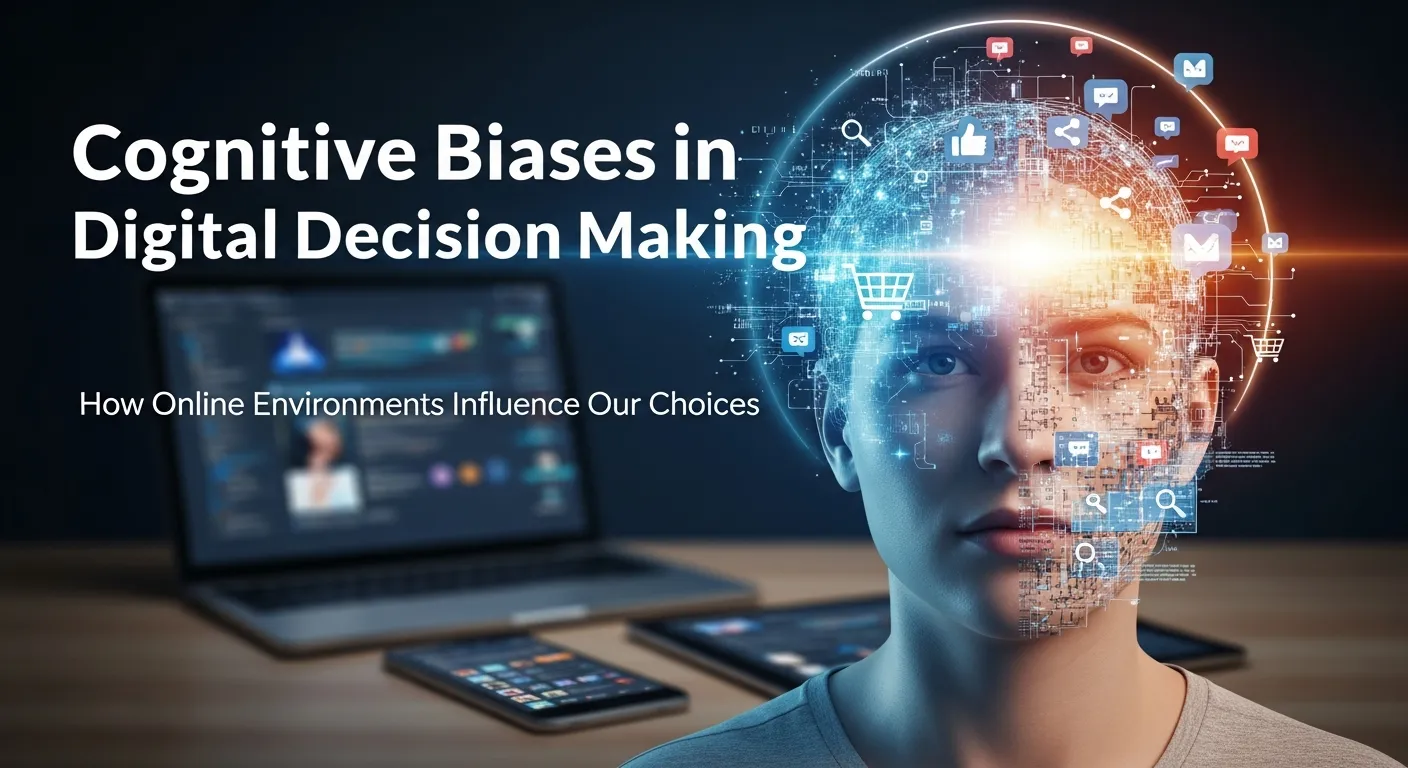
Marketers leverage several cognitive biases to guide user behavior. The Anchoring Bias helps users perceive value by showing a “regular” price next to a “sale” price. Loss Aversion encourages action by highlighting what a user might miss out on (FOMO). Finally, the IKEA Effect suggests that users value something more if they had a hand in creating it, which is why interactive “build-your-own” product features are so effective.
Sustainable Scaling: Avoiding the “Growth Trap”
Scaling too fast can break a business. The “Growth Trap” occurs when the cost of acquiring new customers (CAC) exceeds their lifetime value (LTV) in an attempt to capture market share. Sustainable growth requires a focus on unit economics—ensuring that every new inquiry is handled with the same level of care and quality as the first, maintaining brand integrity while the volume increases.
The Human-Centric Automation Balance
The most successful modern operations are “AI-Enhanced” but “Human-Led.” While automation handles the repetitive tasks of data entry and initial sorting, the human element is reserved for high-stakes negotiation and emotional connection. The goal is to use technology to remove the “robotic” work from humans, so humans can be more… well, human.
Comparison of Business Growth Models
| Feature | Funnel Model | Flywheel Model |
| Primary Goal | Single Transaction | Lifetime Relationship |
| Customer Role | Outcome | Driver of Growth |
| Focus | New Acquisitions | Retention & Advocacy |
| Longevity | Short-term / Linear | Long-term / Compounding |
Conclusion
Lead Generation is no longer a dark art—it is a measurable, scalable process of building relationships at scale. By combining AI chatbots, landing page optimization, and hyper-personalized outreach, you can transform your business into a self-sustaining growth engine. The future belongs to those who provide value first and capture intent second.
FAQs
1. What is the best lead generation tool?
The best lead generation tool depends on your industry and business goals. Popular choices include HubSpot for marketing automation, LinkedIn Sales Navigator for B2B prospecting, and OptinMonster for website-based lead capture. Each tool offers unique features, from CRM integration to form building and analytics, allowing businesses to streamline the process of attracting and converting leads efficiently.
2. How to generate solar leads?
Generating solar leads is most effective when using hyperlocal targeting. By focusing on specific neighborhoods or regions, you can reach homeowners who are most likely to invest in solar solutions. Offering a “Solar Savings Calculator” as a lead magnet provides immediate value and incentivizes users to submit their contact information, while educational content about energy savings and tax incentives helps build trust and authority.
3. Should you outsource lead generation?
Outsourcing lead generation is recommended if your internal team is overwhelmed, lacks the technical expertise, or cannot dedicate the time needed to manage campaigns consistently. Partnering with a professional lead generation agency ensures optimized strategies, better tracking, and higher-quality leads. Agencies can handle everything from landing page optimization and ad management to nurturing campaigns, freeing your team to focus on sales.
4. What is lead generation in recruitment?
In recruitment, lead generation refers to the process of identifying and attracting passive or active candidates for high-value roles. This often involves leveraging LinkedIn, job boards, and targeted content marketing to reach potential hires, then capturing their contact information and nurturing relationships until they are ready to apply or engage with your hiring process.
5. How do I check my Facebook ad leads effectively?
To manage your Facebook ad leads effectively, navigate to the Lead Center on your Business Page. This central hub allows you to view all submissions from lead forms, track interactions, and follow up promptly. For more efficiency, you can integrate automated lead generation tools to push leads directly into your CRM, ensuring no potential prospect is missed, and follow-up is timely.
6. What is the B2B lead generation process?
The B2B lead generation process typically starts by identifying target accounts and decision-makers. Outreach often occurs through LinkedIn lead generation campaigns, while nurturing happens through content marketing such as whitepapers, case studies, or newsletters. This approach builds trust, educates prospects, and gradually guides them toward a sales-ready state.
7. How to generate real estate leads?
Real estate lead generation works best when hyperlocal strategies are employed. Offering free property valuations, market reports, or neighborhood insights can attract homeowners and buyers. Social media, email campaigns, and landing pages with clear calls-to-action help capture contact information, providing a consistent pipeline of qualified leads for agents.
8. What is a lead generator bot?
A lead generator bot is an AI-powered tool designed to automate the process of engaging visitors on your website or social media channels. It can ask pre-qualifying questions, capture contact information, and route qualified leads to your sales team. By automating these tasks, businesses save time and ensure no potential lead is lost due to delayed responses.
9. Can I use virtual assistants for lead generation?
Yes. Virtual assistants are highly effective for managing outbound lead generation, updating CRM data, following up on new submissions, and cleaning lead lists to ensure quality. They allow businesses to scale lead generation efforts without overburdening internal teams, especially when running multiple campaigns or targeting various segments simultaneously.
10. What is organic lead generation?
Organic lead generation refers to attracting leads without paid advertising. It relies on strategies like SEO, blogging, social media engagement, and content marketing to drive interested prospects to your website or landing pages. Organic leads are often more cost-effective in the long term because they build authority and trust with your audience while continuously feeding your sales pipeline.



Leave a Reply