

AI-powered chatbots transform lead generation by engaging visitors instantly, qualifying prospects, and providing personalized experiences. They reduce bounce rates, scale cost-effectively, and integrate with CRMs. By optimizing conversation flows and tracking KPIs, businesses boost conversions and streamline sales efforts.
In today’s competitive digital landscape, businesses are constantly searching for innovative ways to attract and convert prospects. AI-powered chatbots have emerged as a game-changing solution, enabling brands to engage visitors 24/7, qualify leads instantly, and drive higher conversion rates.
The Rise of AI Chatbots in Lead Generation
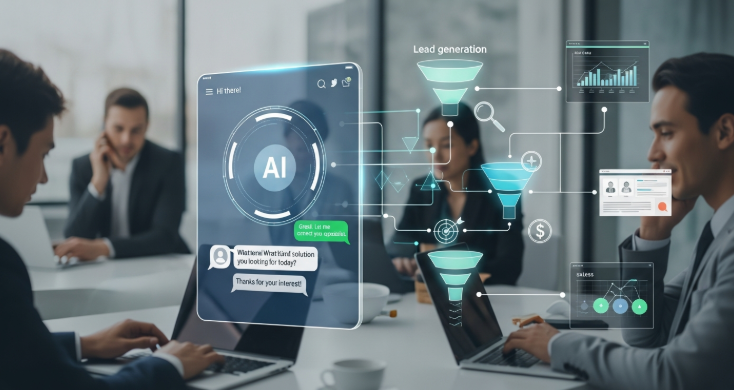
AI chatbots are no longer just novelty widgets—they have evolved into sophisticated assistants powered by natural language processing (NLP) and machine learning. Brands across industries are deploying chatbots to streamline customer interactions, answer FAQs, and most importantly, capture lead data without manual intervention.
According to recent studies, over 67% of global consumers have interacted with a chatbot for support or information. Beyond customer service, businesses are realizing that chatbots can proactively engage website visitors, guide them through decision-making processes, and seamlessly gather contact details—all while preserving personalized experiences.
Key Benefits of AI Chatbots for Lead Generation
1. Instant Engagement and Qualification
Unlike static forms, chatbots can greet visitors the moment they land on your site, ask qualifying questions, and route high-intent prospects to your sales team. This real-time engagement ensures you never miss an opportunity, even outside business hours.
By initiating immediate conversations, chatbots reduce the risk of visitor drop-off and create a seamless user experience. They can tailor interactions based on user behavior, browsing history, or referral source, making the engagement more relevant and timely. With automated lead scoring and prioritization, chatbots ensure that high-potential prospects are quickly identified and directed to the appropriate sales representative, while lower-intent visitors receive nurturing content or follow-up messaging. This proactive approach not only maximizes conversion opportunities but also enhances visitor satisfaction by providing instant, personalized assistance at any hour.
Additionally, integrating chatbots with CRM systems allows all captured information to be stored and tracked automatically, enabling better reporting and analytics. Over time, AI-driven chatbots can learn from past interactions, refining their qualifying questions and engagement tactics to increase efficiency and effectiveness in lead conversion, creating a continuous feedback loop that improves overall sales and marketing alignment.
2. Personalized User Experiences
Modern chatbots use visitor data and browsing behavior to deliver tailored messages. By referencing past interactions or demographic details, they can recommend relevant products, services, or content—boosting trust and increasing the chances of conversion.
These AI-driven systems analyze patterns such as pages visited, time spent on specific sections, and items added to a cart to create context-aware interactions. Chatbots can dynamically adjust their messaging tone, suggest complementary products, or highlight offers based on a user’s unique preferences. This level of personalization not only improves engagement but also makes each visitor feel recognized and valued, fostering loyalty.
Over time, chatbots continuously learn from interactions to refine their recommendations, predict future needs, and anticipate potential questions. By integrating with CRM and marketing automation tools, they ensure a seamless, cohesive experience across multiple channels—email, social media, and in-app messaging—enh
3. Reduced Bounce Rates
Engaging visitors with a conversational interface keeps them on your site longer. As the chatbot addresses pain points and offers helpful resources, visitors are less likely to bounce, which improves your site’s SEO performance and lead potential.
Chatbots provide instant assistance by answering questions, guiding users to relevant pages, and offering tailored recommendations. This continuous interaction encourages visitors to explore more content, products, or services, extending session duration and increasing the likelihood of conversions.
By proactively resolving confusion or hesitation, chatbots reduce frustration that often leads to site abandonment. They can suggest FAQs, link to related blog posts, or even initiate personalized offers to maintain visitor interest. Longer engagement signals to search engines that your site provides valuable content, enhancing SEO rankings while simultaneously boosting lead generation opportunities.
Over time, analyzing bounce patterns helps optimize chatbot scripts and interaction flows to further retain visitors and convert casual browsers into qualified leads.
4. Cost-Effective Scaling
Hiring and training live chat agents can be expensive. AI chatbots, once configured, can handle thousands of conversations simultaneously at a fraction of the cost. This scalability allows small teams to support large audiences without sacrificing quality.
Choosing and Implementing the Right AI Chatbot Tools

Selecting the ideal chatbot platform requires balancing features, ease of use, integrations, and pricing. Here are critical factors to consider:
- Natural Language Processing (NLP): Ensure the tool can understand and respond to varied user queries with high accuracy.
- Omnichannel Support: Look for platforms that work across your website, social media channels, and messaging apps like WhatsApp or Facebook Messenger.
- CRM Integration: Seamless connection to your CRM ensures leads captured by the chatbot are instantly added to your sales pipeline.
- Customization and Branding: The chatbot should reflect your brand voice and visual identity for a cohesive user experience.
- Analytics and Reporting: Choose a platform that provides real-time metrics on chatbot interactions, drop-off points, and conversion rates.
Popular AI chatbot tools include Drift, Intercom, ManyChat, and Tidio. Each offers unique strengths—from advanced automation workflows to robust marketing integrations. Before committing, take advantage of free trials and run pilot campaigns to assess performance against your business objectives.
Best Practices for Chatbot-Based Lead Generation Campaigns
To maximize your chatbot’s lead-generation potential, follow these proven techniques:
1. Craft a Clear Welcome Message
First impressions matter. Use a concise, friendly greeting that sets expectations. For example: “Hi there! I’m Ava, here to help you find the perfect solution. How can I assist today?”
2. Use Branching Logic
Design your conversation flow to adapt based on user responses. If a visitor indicates high purchase intent, route them to a sales rep. If they need more information, provide links to relevant blog posts or FAQs.
3. Ask Qualifying Questions Early
Include two to three targeted questions—such as company size, budget range, or timeline—to assess lead quality. Keep questions brief to avoid frustrating users.
4. Offer Value-Driven Incentives
Boost engagement by offering e-books, whitepapers, or exclusive discounts in exchange for contact details. Ensure the incentive aligns with the visitor’s interests and needs.
5. Maintain Human Escalation
While chatbots excel at handling routine queries, there will always be complex scenarios that require human judgment, empathy, or nuanced problem-solving. Providing an easy and seamless path for escalation ensures that visitors receive the support they need without frustration.
Options for escalation include live chat handoffs, where a real agent takes over the ongoing conversation in real time, or scheduling a callback for more detailed assistance. Clearly communicating these options within the chatbot interface reassures users that help is always available, enhancing trust and user satisfaction.
Maintaining human escalation also prevents potential issues from damaging your brand reputation. By combining automated efficiency with human expertise, businesses can deliver a balanced, high-quality customer experience that maximizes engagement, conversions, and overall lead satisfaction.
Measuring Success and Optimizing Chatbot Performance
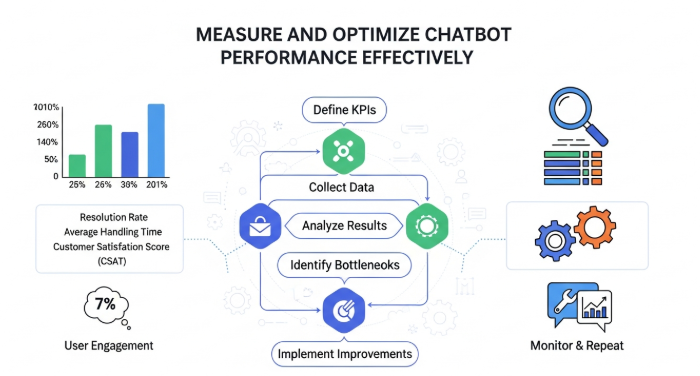
Tracking key performance indicators (KPIs) is essential to refine your chatbot strategy over time. Focus on metrics such as:
- Conversation Start Rate: Percentage of visitors who engage with the chatbot.
- Lead Capture Rate: Percentage of conversations that result in a qualified lead.
- Drop-Off Points: Steps in the flow where users abandon the chat.
- Conversion Rate: Ratio of leads generated via the chatbot to overall website leads.
- Customer Satisfaction Score (CSAT): Post-chat survey results to gauge user experience.
Regularly review transcripts to identify confusing prompts or broken flows. A/B test different welcome messages, question orders, and incentives to discover what resonates best with your audience. Continuous iteration will help you maximize ROI and keep your chatbot aligned with evolving customer needs.
Conclusion
AI chatbots represent a powerful, scalable way to supercharge your lead generation efforts. By providing instant engagement, personalized experiences, and seamless qualification, chatbots can significantly improve conversion rates and reduce overhead costs. Start by selecting a robust chatbot platform, design user-centric conversation flows, and integrate with your existing marketing stack. Then, track key metrics, iterate on performance, and combine automated interactions with human expertise when needed. With these strategies and best practices, you’ll be well on your way to generating a steady stream of high-quality leads through AI-driven chatbot technology.



Leave a Reply