


In today’s digital landscape, capturing a prospect’s attention is more challenging than ever. Traditional lead forms and gated eBooks often feel routine and fail to motivate users to share their information. This year (2026), savvy marketers are turning to using gamification for lead generation as a way to break through the noise. By integrating game mechanics—such as points, badges, quizzes, and spin wheels—into non-game contexts, businesses can offer interactive experiences that reward user participation. The result is two-fold: prospects enjoy an engaging journey and brands gather high-quality data that fuels conversion. In this comprehensive guide, we’ll explore the psychology behind gamification, highlight the benefits of using gamification for lead generation, outline strategies for crafting compelling experiences, review top tools and platforms, and explain how to track and optimize your campaigns. Whether you’re a B2B marketer or an e-commerce specialist, you’ll learn how to leverage playful elements to drive measurable growth and strengthen brand affinity.
Understanding the Psychology Behind Gamification
At its core, using gamification for lead generation taps into fundamental human motivations. Game mechanics activate both intrinsic and extrinsic drivers that propel users toward desired behaviors. Intrinsic motivators include mastery, autonomy, and social connection, while extrinsic motivators rely on tangible rewards such as discounts or exclusive content. By appealing to these drivers, gamified experiences can transform mundane tasks—like filling out a form—into enjoyable challenges.
Intrinsic vs. Extrinsic Motivation
Intrinsic motivation arises when people engage in an activity for internal satisfaction. In today’s digital world, creating opportunities for mastery—through progressive quizzes or leveling systems—fosters a sense of achievement. Users feel accomplished as they advance, making them more inclined to share additional data or explore further offerings.
Extrinsic motivation, on the other hand, offers external rewards. Instant gratification through spin-to-win wheels, coupon codes, or downloadable assets can drive immediate lead capture. The mix of instant rewards and long-term goals balances novelty with sustained engagement, keeping prospects invested throughout the funnel.
Behavioral Insights from Leading Research
Renowned institutions like Stanford HCI have published studies showing how game elements boost user engagement by up to 50%. These insights reveal that adding social components—such as leaderboards or collaborative quests—can amplify the effect. Social proof encourages friendly competition and broadens reach as participants share their progress with peers.
Understanding these psychological underpinnings sets the stage for designing gamified experiences that resonate deeply with your target audience. By aligning game mechanics with user motivations, you optimize both enjoyment and data quality, leading to stronger, more qualified leads.
Key Benefits of Using Gamification for Lead Generation

Adopting gamification for lead generation delivers tangible advantages across the marketing funnel. From initial engagement to long-term loyalty, gamified tactics can elevate every stage of the customer journey.
Enhanced Engagement and Time on Site
Interactive quizzes, spin wheels, and mini-games compel visitors to linger on your site longer than static forms. This boost in session duration not only enhances brand recall but also signals to search engines that your content is valuable, potentially improving organic rankings.
Higher Conversion Rates
By offering instant feedback and rewards, gamification lowers friction in the conversion process. When prospects receive immediate gratification—such as a discount code after completing a quiz—they’re more likely to complete the exchange of contact information.
Deeper Data Collection
Traditional surveys often suffer from low completion rates. Gamified assessments, however, present questions in an engaging format, resulting in richer insights. Each game stage can request incremental information, allowing you to profile leads without overwhelming them at once.
Stronger Brand Advocacy
Memorable, fun experiences foster positive associations. Participants who enjoy your gamified interactions are more inclined to become brand advocates, sharing their achievements on social media and recommending your business to peers.
Integrating gamification for lead generation not only drives immediate sign-ups but also cultivates long-term relationships, strengthening customer retention and lifetime value.
Crafting Engaging Gamified Experiences
Successfully using gamification for lead generation hinges on thoughtful design. A compelling game must align with your brand voice, target audience, and marketing objectives. Below are key steps to structure a gamified funnel that converts.
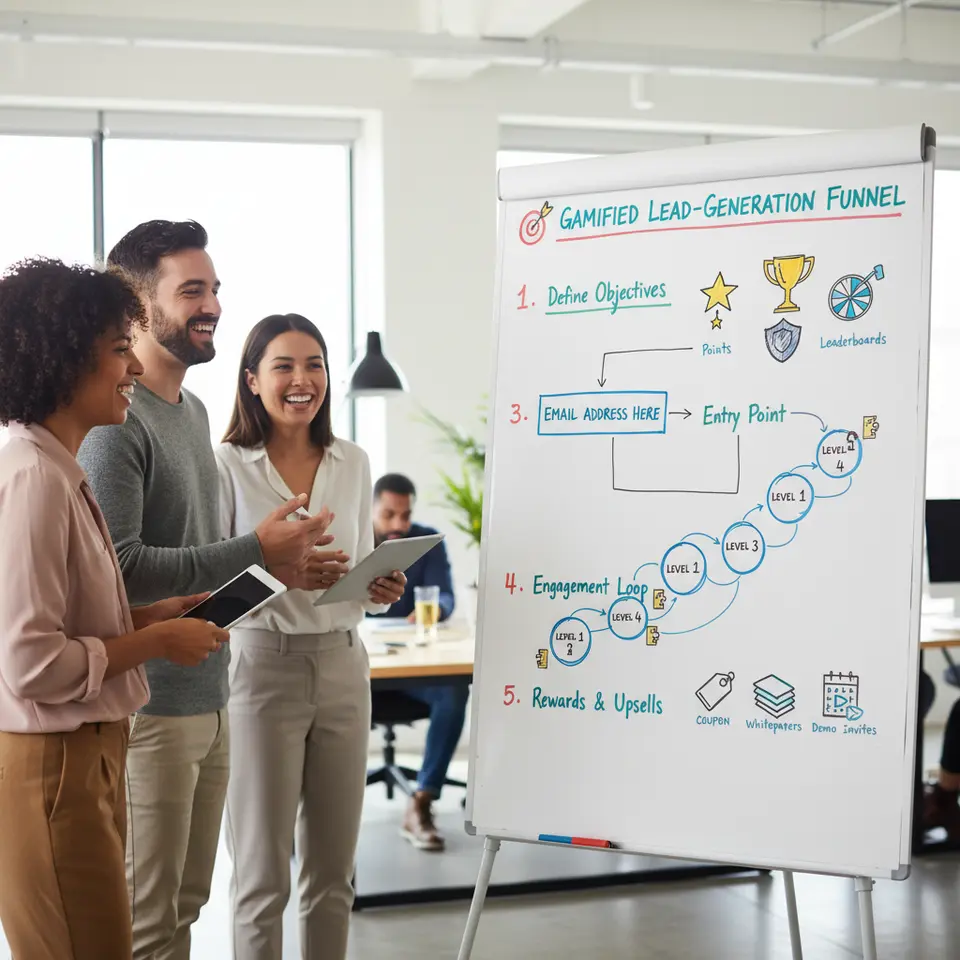
1. Define Clear Objectives
Start by pinpointing the actions you want prospects to take: sign up for a newsletter, download a guide, or request a demo. Having specific goals enables you to choose the right mechanics—points, badges, quizzes—that align with desired outcomes.
2. Select Appropriate Game Mechanics
Popular elements include:
- Points & Scoring: Reward users for completing micro-actions like watching a video or answering a question.
- Badges & Achievements: Offer visual tokens of progress to motivate users to reach milestones.
- Leaderboards: Foster friendly competition and social sharing among participants.
- Spin Wheels & Scratch Cards: Provide instant-win experiences that deliver discounts or free trials.
3. Design an Uptake-Friendly Entry Point
Ensure the initial ask is minimal—often just an email address. Present the game within a clear value proposition, for example: “Play for a chance to win a free consultation.” This low barrier to entry encourages participation.
4. Build an Engagement Loop
Maintain momentum with progressive challenges. After the initial interaction, invite participants to deeper levels, unlocking advanced insights or exclusive resources as they proceed. This continuous engagement keeps your brand top-of-mind.
5. Deliver Rewards and Upsells
Once users reach a milestone, fulfill promised rewards—coupons, whitepapers, demo invites. Seize this moment to propose an upsell, such as a detailed case study or premium trial, in exchange for more comprehensive information.
By following these design principles, you empower prospects to engage willingly, turning playful experiences into valuable leads.
Essential Tools and Platforms for Gamification
Implementing gamification for lead generation is easier when you leverage specialized platforms. Below are some of the top solutions available today.
5. Enterprise Solutions
For large-scale deployments, platforms like Badgeville and Bunchball provide robust loyalty and reward systems. These enterprise-grade options offer deep customization and API access.
Many of these platforms provide free trials or tiered pricing models, allowing you to test different mechanics before committing. To explore research on gamification best practices, review insights from MIT Sloan Management Review, which regularly publishes data-driven studies on digital engagement techniques.
Tracking, Measuring, and Optimizing Gamified Campaigns
Using gamification for lead generation requires close monitoring to ensure campaigns deliver ROI. Define key performance indicators (KPIs) and leverage analytics tools to refine your approach.
Participation and Completion Rates
Measure the percentage of visitors who start a game versus those who finish it. A high drop-off rate may indicate that the experience is too long or the reward isn’t compelling.
Lead Quality and Conversion Metrics
Assess the quality of leads obtained via gamification by tracking downstream actions: demo requests, purchases, or subscription upgrades. Assign a lead quality score based on demographic fit and engagement depth.
Engagement Time and Interaction Depth
Analyze how long participants spend within the game and how many steps they complete. Longer session durations often correlate with higher brand affinity and willingness to invest further.
Social Sharing and Viral Reach
Track social referrals and shares generated by leaderboards or badge announcements. Organic amplification reduces acquisition costs and expands your audience.
Iterative A/B Testing
Continuously test variations in game length, reward types, and entry prompts. Small tweaks—like adjusting point thresholds or changing badge designs—can lead to significant uplifts in performance.
By rigorously monitoring these metrics and applying insights in real time, you’ll ensure that using gamification for lead generation remains a cost-effective, scalable strategy in today’s competitive environment.
Conclusion
In today’s fast-paced marketplace, using gamification for lead generation offers a fresh, interactive alternative to traditional forms and gated content. By leveraging game mechanics such as points, badges, quizzes, and spin wheels, marketers can design experiences that both delight prospects and deliver valuable data. The psychological appeal of mastery and rewards sustains engagement, while smart platform selection simplifies implementation. Tracking metrics like participation rates, lead quality, and social shares enables continuous optimization, maximizing ROI. Ready to stand out in 2026? Start small—possibly with a simple quiz or spin wheel—and iterate based on performance data. As you refine your approach, playful interactions will evolve into a powerful engine for capturing and nurturing leads, driving conversions, and strengthening brand loyalty in today’s digital landscape.


Leave a Reply