


A virtual assistant can transform lead generation by managing research, email campaigns, CRM, and social engagement. Businesses save time, reduce costs, and scale efficiently, turning repetitive tasks into a consistent, high-performing pipeline for sustainable growth.
One of the pillars that supports any successful business is the ability to seek out and nurture leads. But this process takes time, patience, and can feel like searching for a needle in a haystack. This is where a virtual assistant (VA)—a talented individual skilled in handling leads—can step in, freeing businesses to concentrate on closing deals and growing.
The question is: can a virtual assistant genuinely serve as a lead generation powerhouse?
The short and simple answer is — definitely yes! And in this blog post, we’ll show you exactly why that is.
From small business owners and freelancers to growing companies, the virtual assistant can be the difference between dominating lead generation and watching efforts fall flat. This article explores the unique strengths VAs bring to lead generation, how to hire one, and tips to maximize their impact.
Lead Generation: What is it? Why Does it Matter?
Before understanding how virtual assistants fit in, it’s key to grasp why lead generation is vital. B2b lead generation is the process of identifying potential customers who may become buyers. It’s the first step in the sales funnel and foundational to business growth and revenue. For a deeper dive into how organic strategies work, check out this Best Lead Generation Sites to Grow Your Business.
Effective lead generation must:
- Identify your target audience
- Capture their interest via strategic marketing
- Nurture leads until they’re ready to buy
It’s a labor-intensive and often specialized process—perfectly suited for delegation.
Where the Virtual Assistant Comes In

A virtual assistant can do far more than scheduling and email replies. With the right training, they become instrumental in lead generation. Here’s how:
1. Research and Make Contact Lists
A VA can research your ideal prospects using platforms like LinkedIn, Crunchbase, and industry directories. They can build categorized contact lists based on company size, industry, and specific pain points, ensuring each lead aligns with your target audience. Additionally, VAs can verify contact information, find decision-makers, and identify potential new markets or opportunities. By maintaining organized, detailed lists, your team can focus on high-quality interactions rather than time-consuming research. A VA’s ability to consistently update and expand contact databases ensures your lead pipeline remains fresh, accurate, and actionable, helping sales teams focus on closing deals rather than hunting for information.
A VA can:
- Find detailed prospects using LinkedIn, Crunchbase, industry directories
- Create categorized mailing lists based on industry, company size, and pain points
- Research company addresses to uncover new lead opportunities
This allows you more time to build meaningful connections.
2. Email Campaigns and Drip Marketing
Email campaigns are a cornerstone of lead generation, and VAs can handle every step efficiently. They can draft personalized emails, schedule automated sequences, and track metrics like open and response rates. Using CRM tools like HubSpot or Salesforce, VAs can monitor follow-ups to prevent leads from slipping through the cracks. Drip campaigns nurture leads over time, maintaining consistent contact and building trust. By outsourcing this process, businesses maintain a professional and systematic approach to lead engagement. A skilled VA ensures every email aligns with brand messaging, improving conversions and reducing workload for marketing and sales teams.
Email remains king in lead generation. A VA can:
- Draft and send personalized emails
- Track open rates and responses using CRM tools like HubSpot or Salesforce
- Schedule follow-ups to prevent lead loss
Consistency wins, and a VA ensures it.
3. Managing CRM Tools
Customer Relationship Management (CRM) systems like HubSpot, Salesforce, and Zoho keep lead data organized and actionable. A VA can input new leads, update contact details, segment audiences, and generate performance reports. Organized CRM management ensures smooth tracking of communication history, follow-ups, and lead status. With a clean CRM, sales teams can prioritize warm leads and reduce time wasted on unqualified prospects. VAs also provide analytics insights, helping businesses optimize campaigns, understand trends, and make informed decisions. Efficient CRM management by a VA directly improves lead conversion rates and overall sales performance.
CRM tools help track interactions and a VA can:
- Input new leads and update contacts
- Segment contacts for targeted marketing
- Generate reports for assessing lead success
A clean CRM means smoother sales processes.
4. Lead Qualification
Not all leads are equal, and VAs can help identify which prospects are most likely to convert. They can conduct pre-qualification calls, surveys, or online research to assess fit based on criteria like budget, authority, and interest. Warm leads can then be flagged for immediate sales follow-up, while cold leads are nurtured with targeted campaigns. By filtering out low-value leads, VAs allow sales teams to focus on high-potential opportunities. This process increases efficiency, improves conversion rates, and reduces wasted effort, ensuring businesses get maximum ROI from their lead generation efforts.
A VA helps your team focus on closing deals by:
- Conducting pre-qualification calls or surveys
- Identifying leads that match your ideal profile
- Tagging warm leads ready for the next step
No more wasting time on cold prospects.
5. Social Media Engagement
Social media is a powerful lead generation tool. A VA can manage profiles, engage with followers, comment on posts, send direct messages to potential leads, and schedule regular content updates. Active social engagement increases visibility, builds trust, and strengthens brand authority. VAs can monitor conversations for potential opportunities, track audience behavior, and identify new leads through social listening. By maintaining consistent presence and meaningful interactions online, VAs help transform social media into a reliable source of leads, enhancing both brand credibility and pipeline growth.
Social media is a lead goldmine. A VA can:
- DM potential leads on LinkedIn and other platforms
- Engage via comments, likes, and shares
- Schedule regular posts to maintain online presence
This humanizes your brand and builds trust.
6. Managing Paid Ads and Lead Magnets
A VA with marketing skills can:
- Create ad copy and images for Facebook, Google Ads
- Monitor and optimize ad performance
- Develop downloadable lead magnets like eBooks, guides, and webinars
Delegating keeps your pipeline flowing with qualified leads.
Benefits of Using a Virtual Assistant for Lead Generation
Still unsure? Consider these key benefits:
- Reduced Costs: More affordable than full-time hires
- Time Savings: Focus on strategy while VAs handle the legwork
- Expertise: Many VAs specialize in lead generation and marketing
- Scalability: Easily scale your team up or down as needed
How to Hire the Right Virtual Assistant for Lead Generation

1. Define Your Requirements
Write a detailed job description with required skills, tools (e.g., CRMs), and industry preferences.
2. Invest Beyond “Cheap”
Balance cost with quality. Look for experience and cultural fit.
3. Ask for a Test Period
Trial runs help evaluate effectiveness before long-term commitment.
4. Train Them
Even skilled VAs need onboarding to align with your brand.
5. Use Trusted Platforms
Hire from Upwork, Freelancer, or specialized VA agencies.
Pro Tips for Maximizing a VA’s Effectiveness
- Define Clear Goals: Know what success looks like
- Use Tools: Leverage CRM and automation tools like HubSpot, Mailchimp, or Zapier
- Communicate Regularly: Weekly check-ins keep everything on track
- Measure Results: Track leads generated, email reply rates, and social engagement
Can a Virtual Assistant Help Your Business?
If your sales team is bogged down with repetitive lead-gen tasks and you want to scale without over-hiring, a virtual assistant may be the perfect solution.
Delegating specialized tasks to a VA can streamline your process, boost efficiency, and give your company a competitive edge.
Why wait? Turn your lead generation into a scalable growth machine—today and for the future.
Automating Lead Generation Tasks
A virtual assistant can integrate automation tools to streamline repetitive lead-gen tasks. Using software like Zapier, Pabbly, or Integromat, VAs can automatically capture leads from forms, emails, or social media interactions, saving hours of manual work. Automated workflows can handle follow-up emails, lead assignment, and CRM updates, ensuring no prospect is overlooked. By combining automation with a VA’s human oversight, businesses maintain both efficiency and personalization. This approach increases productivity while maintaining engagement quality, allowing sales teams to focus on closing deals rather than chasing prospects manually. Automation plus VAs equals a faster, more accurate lead-generation process.
Crafting Personalized Outreach
One of the most effective ways a VA improves lead generation is through personalized communication. Instead of generic emails, VAs research each prospect to understand pain points, business goals, and interests. They can craft tailored email sequences, LinkedIn messages, or social media outreach that feels authentic. Personalized outreach increases response rates, builds trust, and establishes stronger initial connections. A VA can manage multiple campaigns while maintaining consistent personalization, something difficult for in-house teams handling large lead lists. The result is a higher likelihood of converting leads into paying customers and a more professional brand image.
Data Analysis and Reporting
VAs can also play a crucial role in tracking, analyzing, and reporting lead generation performance. They monitor metrics such as email open rates, click-through rates, response rates, and social engagement to identify trends and campaign effectiveness. By producing organized reports, VAs help businesses understand what strategies are working and which need adjustment. Insights from this data allow teams to refine targeting, messaging, and channel use, optimizing ROI. When a VA handles data analysis, decision-makers gain actionable intelligence without spending hours manually compiling results, improving both efficiency and the quality of strategic decisions.
Nurturing Long-Term Relationships
Lead generation is not only about attracting prospects—it’s about nurturing them until they are ready to buy. VAs can follow up with warm leads, send helpful resources, and maintain regular communication. By managing newsletters, drip campaigns, and social interactions, VAs ensure your brand stays top-of-mind. Consistent engagement fosters trust and loyalty, improving the chances of conversion over time. A VA’s proactive approach reduces missed opportunities and ensures no lead goes cold. This long-term relationship management transforms one-time prospects into repeat customers and brand advocates, maximizing the value of each lead captured.
Enhancing Brand Authority
A VA can help strengthen a brand’s authority online by maintaining a consistent and professional presence. From posting educational content to engaging in industry discussions on LinkedIn, VAs contribute to thought leadership. By sharing relevant insights, responding to queries, and managing reviews or testimonials, they position the brand as credible and reliable. Prospects are more likely to respond to leads from brands with an established reputation. VAs also monitor competitor activity, ensuring your messaging is competitive and up-to-date. Building authority enhances both lead quality and conversion rates over time, making every interaction more impactful.
Scaling Lead Generation Efforts
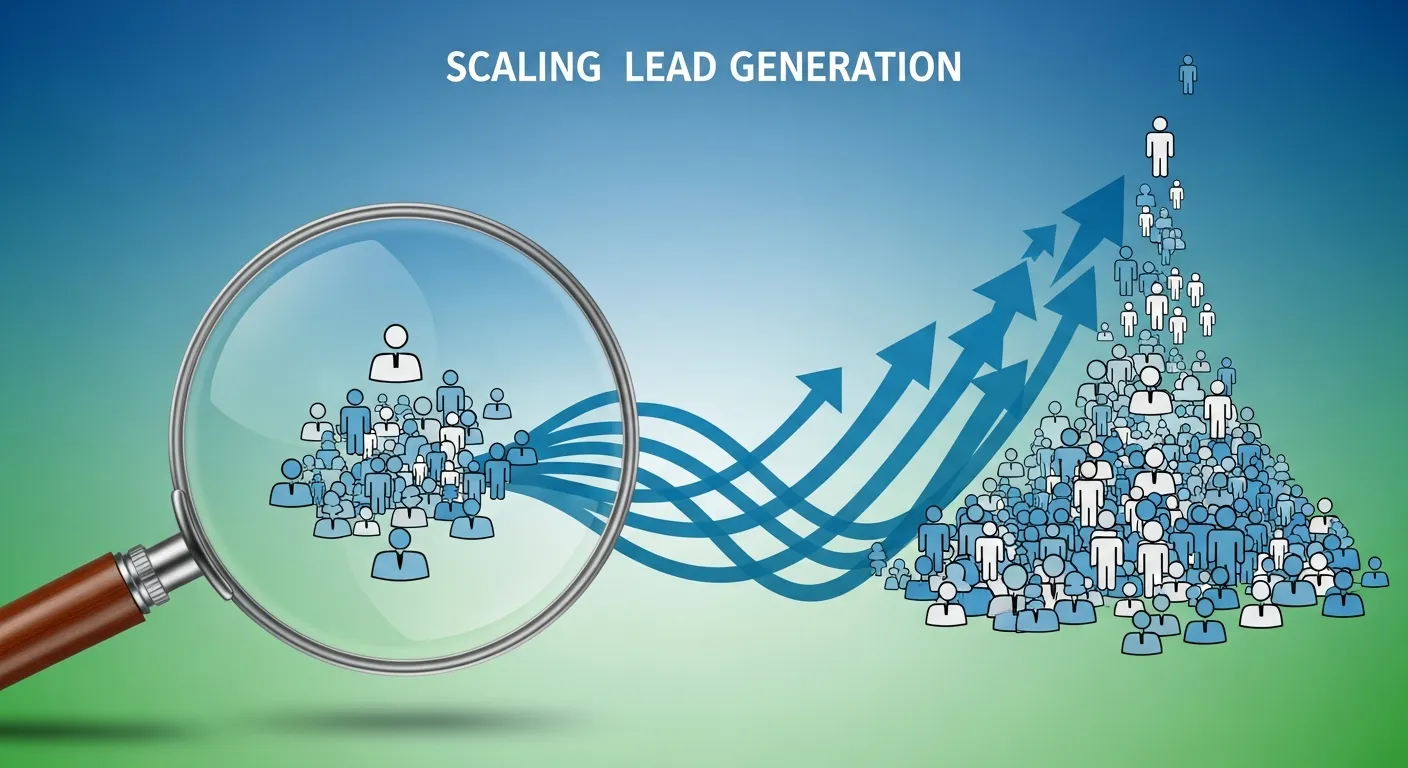
Once lead-generation processes are in place, VAs can help scale efforts quickly without major overhead costs. Whether adding new platforms, launching multiple email campaigns, or handling larger CRM databases, a VA ensures operational efficiency. They can coordinate with other team members or freelancers, manage additional tasks, and replicate successful campaigns across markets or products. This flexibility allows businesses to grow their lead generation capacity incrementally, adapting to changing demand. By leveraging a VA for scalable operations, companies can maintain quality, increase output, and accelerate growth without the need to hire a large in-house team.
Conclusion
Virtual assistants are more than administrative support—they’re a lead generation powerhouse. By delegating research, outreach, CRM management, social engagement, and campaigns to skilled VAs, businesses save time, reduce costs, and scale effectively. Incorporating a VA into your lead generation strategy can transform your sales pipeline into a consistent, high-performing growth engine.
Frequently Asked Questions (FAQ)
1. What is lead generation, and why is it important?
Lead generation is the process of identifying potential customers who may eventually purchase your products or services. It’s a crucial step in the sales funnel, ensuring a steady flow of prospects, increasing revenue, and supporting sustainable business growth. Effective lead generation helps prioritize high-quality prospects over random outreach.
2. How can a virtual assistant improve lead generation?
A VA can streamline repetitive tasks like prospect research, CRM updates, email outreach, and follow-ups. By handling these operations efficiently, VAs allow your team to focus on strategy, closing deals, and nurturing high-value leads. Their consistent effort ensures no potential lead falls through the cracks.
3. Do I need a marketing background to hire a VA?
Not necessarily. While understanding lead generation helps in guiding tasks, many experienced VAs can independently run campaigns with proper onboarding. Providing clear goals, access to tools, and brand guidelines is usually sufficient for a VA to deliver effective results.
4. Which tools should my VA be proficient in?
Essential tools include CRMs such as HubSpot, Salesforce, or Zoho for lead tracking; email automation platforms like Mailchimp or Klaviyo; social media management tools; analytics dashboards; and reporting software. Familiarity with automation tools like Zapier or Integromat adds efficiency and saves time.
5. How do I find and hire the right VA?
Start by clearly defining job requirements, skills, tools knowledge, and industry experience. Use platforms like Upwork, Freelancer, Fiverr, or specialized VA agencies. Consider a short trial period or paid test project to evaluate performance, communication skills, and cultural fit before committing long-term.
6. Should a VA handle social media for lead generation?
Yes. Social media is a rich lead source. A VA can engage with prospects via comments, messages, and posts, schedule content, and maintain brand visibility. Active social engagement builds trust, humanizes the brand, and helps generate leads from platforms like LinkedIn, Instagram, or Facebook.
7. Can a VA manage paid advertising campaigns?
Skilled VAs can create ad content, schedule campaigns, monitor performance, and optimize paid ads across Google, Facebook, LinkedIn, and other platforms. With proper guidance, a VA can maintain ROI, adjust targeting, and report results, freeing marketing teams to focus on strategy rather than manual campaign management.
8. How do I measure a VA’s effectiveness?
Effectiveness can be tracked using KPIs such as leads generated, CRM updates, email open/reply rates, social engagement, conversion rates, and overall campaign performance. Regular reporting and review ensure the VA is meeting targets and allows adjustments to improve efficiency and ROI.
9. Are VAs more cost-effective than hiring full-time staff?
Typically, yes. VAs provide flexibility, scalability, and specialized expertise without long-term employment costs like benefits, taxes, or office space. They can handle tasks on-demand or for specific hours, making them ideal for small businesses or teams looking to reduce overhead.
10. How quickly can I see results from a VA-led lead generation campaign?
Initial results, such as lead list creation or email outreach, can appear within a few days. Full engagement, follow-ups, and conversion results usually take weeks or months, depending on the industry, lead quality, and sales cycle length. Consistent tracking helps optimize outcomes.
11. Can beginners hire a VA successfully?
Absolutely. Even small businesses or startups can leverage a VA for lead generation. By delegating repetitive or time-consuming tasks, beginners can focus on growth strategy, learning processes, and building relationships with high-quality leads while keeping costs manageable.
12. Is virtual assistant support scalable for growing businesses?
Yes. VA support is highly scalable. Businesses can increase or decrease hours, tasks, and responsibilities as demand changes. VAs can handle additional campaigns, platforms, or team coordination, ensuring efficiency and adaptability without the need to hire multiple in-house employees.



Leave a Reply