

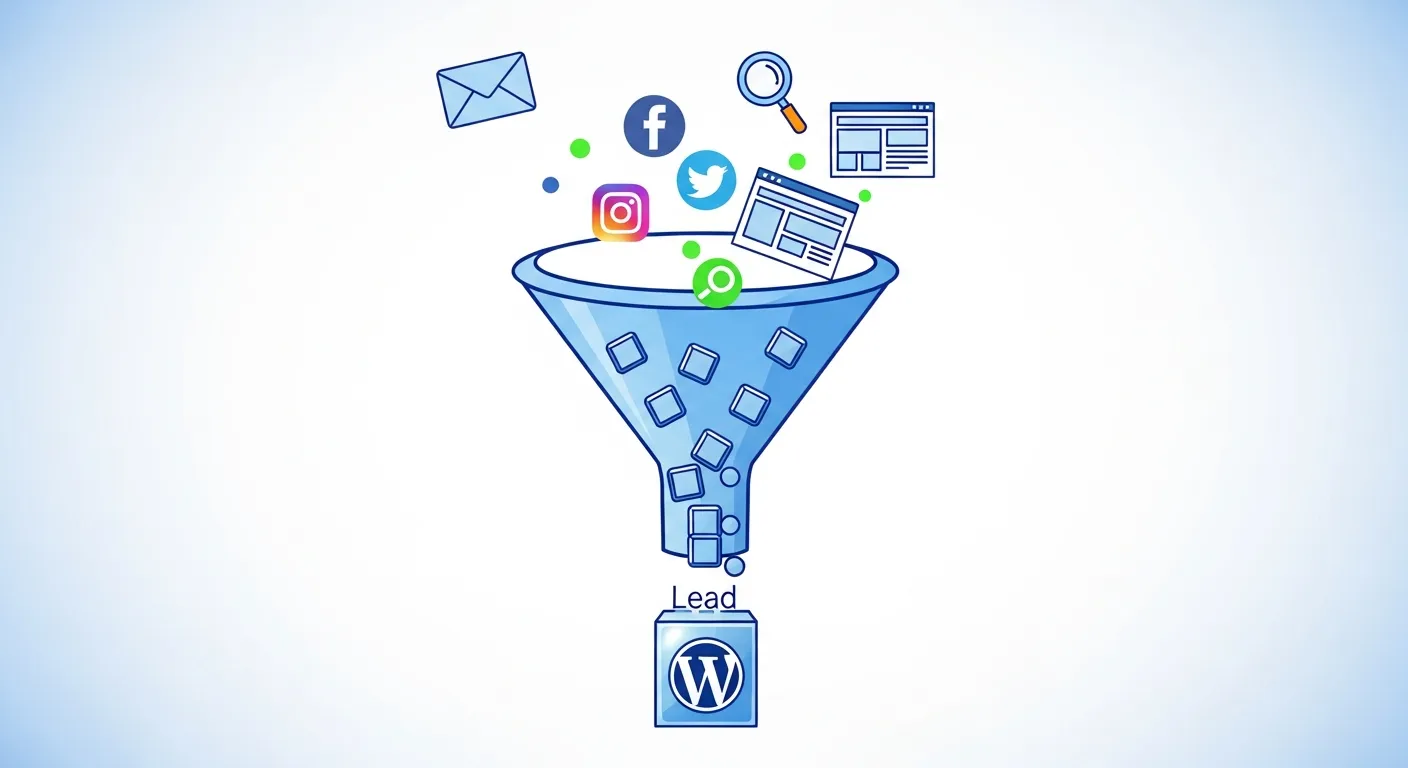
WordPress offers powerful tools for lead generation, including landing pages, forms, SEO plugins, and automation. With proper optimization, testing, and integration, businesses can attract, capture, and nurture leads effectively while building long-term growth without advanced technical skills.
WordPress offers unrivaled simplicity that allows you to customize, manage, and scale your website with complete freedom. This flexibility is one of the little-known secrets that make WordPress an ideal platform for businesses and marketers alike. Its intuitive user interface works seamlessly for both developers and non-programmers, making tasks like creating pages, managing content, and adding functionality effortless.
For aspiring online writers or businesses looking to capture leads, WordPress provides a rich ecosystem of tools, plugins, and resources designed to support WordPress Lead Generation. Whether you want to create landing pages, lead capture forms, pop-ups, or integrate email marketing, WordPress makes it straightforward to implement effective lead generation strategies without requiring advanced technical skills.
Moreover, WordPress continuously tests and supports new plugins and tools that enhance functionality. From analytics tracking to SEO optimization, marketing automation, and customer engagement tools, the platform is built to maximize conversions. Leveraging WordPress Lead Generation capabilities allows marketers to attract visitors, capture actionable leads, and nurture them into loyal customers efficiently.
With a thriving global community, extensive tutorials, and a wide range of customizable templates, WordPress ensures that anyone—from a beginner blogger to a seasoned marketer—can implement robust lead generation campaigns with minimal effort. By combining creativity, strategy, and the right plugins, your WordPress site can become a powerful engine for business growth, driving leads, engagement, and revenue in a structured and measurable way.
The Revolution: New Marketing Tools Find Their Way Into WordPress

To manage huge accumulations of user-generated content, WordPress 2.9 just got its first free plugin. “CageMatch” and “WordPress Database Jungle” will let you see (and rearrange in genuinely unique ways) the newest generation of online content in GoogleDocs-like style.
Emptying the Caching Can… When Security Is at Stake
The most common hosts include: 4YourWebsite; HostGator; 1and1 Hosting; HostFor. Me are just a few that come readily to mind.
WordPress is a constantly singing advertising platform for software developers, supported by their prospective clients and will be completed soon after this being the common language.
Essential Components for Lead Generation on WordPress
1. Landing Pages That Convert
Highly-converting landing pages are the backbone of any successful lead generation strategy. Designated as individual pages with just one purpose in mind, these pages aim to convert visitors into leads.
Template: Page Builders:
Tools like Elementor, Beaver Builder, and Divi remove the headaches of building another page. Even if you’re new at design, they will create anything from popups or animations to adding up elements – moving navigation items through hovers and amending fonts until everything looks perfect at 800 x 600 px resolution.
Knowledge Base Article: Template: Projects:
When creating your Call-to-Action buttons, you should aim to use strategically placed buttons. They guide visitors towards a desired objective such as filling out forms or downloading eBooks.
Pro Tip:
Keep your landing pages focused on one specific goal. For example, if you want users to sign up for a webinar, remove distractions like menu navigation or unrelated links.
2. Lead Capture Forms
At the heart of lead generation is capturing visitors’ information (like email addresses, phone numbers or other data) through contact forms.
Forms: Plugins for WordPress
Many plugins offer the ability to create powerful forms with just a few mouse clicks including Gravity Forms, WPForms and Ninja Forms. With these tools, you can custom form like you want or use them out of the box and be done.
Conditional Logic:
Some plugins have sophisticated features like conditional logic that adapts form fields according to user response for a more precision experience. If you integrate with Mailchimp, for example, the leads collected can immediately be sending emails to and syncing with major email marketing tools.
Example:
On home page: A form offering free consultations. Ask for basic information such as name, email, and phone number to convert casual visitors into actionable leads.
3. Popups and Slide-ins
If done right, popups and slide-ins that are timed just so can astronomically upgrade your lead capture rates without intruding at all on your visitors’ experiences.
How WordPress Helps:
Popup Plugins– Use something like OptinMonster, Bloom or Sumo to create a customized popup that suits not only your website but also reinforces your branding.
Exit Intent Technology:
With these plugins, ones that work in the background and follow your clients’ movements, you can see when someone’s about to leave and make a popup message to keep them on your page.
Tips for Popups:
- Encourage your visitors with incentives to take part in the call-to-action, such as discounts, free checklists or exclusive access to webinars.
- Ensure the popups you create don’t intrude on visitors’ use of your site by making them minimal and simple to act on.
4. Content Upgrades
Take your blog or guide posts to the next level with content upgrades–by adding high-value bit of information, in exchange for your readers’ contact information.
Examples of Content Upgrades:
- Add a downloadable PDF checklist or cheat sheet related to your blog topic.
- Provide bonus material, like an ebook, that takes an in-depth look into the topic.
How WordPress Helps You:
Attach lead magnets to forms via plugins like LeadPages or Convert Kit so the upgrade will be emailed automatically upon their signing up.
5. Analytics and Tracking
You won’t have a successful strategy for nurturing leads until you understand your visitors’ behavior on your site.
How WordPress Helps:
- Google Analytics Plugins: Add popular analytics plugins like Monster Insights to accumulate data on visitor patterns, best pages and conversions.
- Heatmaps: Tools such as Crazy Egg or Hotjar show you exactly where visitors are clicking, how far down the page they scroll and (more importantly) when they’re dropping off.
- A/B Testing: Fine-tune lead forms, popups and CTAs using tools like Nelo A/B Testing or Thrive Optimize.
6. Lead Generation Plugins You Need to Know About
WordPress has an enormous ecosystem of plugins. Here are some of the top tools to boost your lead generation.
- OptinMonster: For producing any pop-ups, slide-ins, and other lead capturing devices.
- HubSpot WordPress Plugin: CRM, Email Marketing, Forms and Analytics all in one.
- Thrive Leads: Advanced targeting and lead segregation.
- WPForms: Drag and drop form builder with built-in spam protection.
- Bloom by Elegant Themes: Email opt-in forms that conform to your WordPress theme.
7. WordPress and SEO: A Powerful Pair for Attracting Leads
Driving traffic to your lead generation pages is crucial, and that is where WordPress’s SEO capabilities come in very handy.
- Use SEO plugins like Yoast SEO or Rank Math for optimization.
- Use long tail keywords for How-To articles that solve your target audience’s challenges.
- Insert internal links to direct regular readers to specific landing tabs to help capture more customers.
Retargeting and Pixel Tracking
 Installing tracking tools like Facebook Pixel or Google Ads conversion tracking on your WordPress site is essential for maximizing the effectiveness of your marketing campaigns. These tools allow you to monitor visitor behavior, understand how users interact with your content, and most importantly, retarget those who didn’t convert on their first visit. Retargeting ads are a highly effective strategy in WordPress Lead Generation, as they keep your brand top-of-mind and encourage potential leads to return and complete actions like signing up, downloading resources, or making a purchase.
The best part? WordPress makes installation simple through plugins such as PixelYourSite, Site Kit by Google, or Insert Headers and Footers. These tools allow you to implement tracking pixels without writing a single line of code. Once set up, you can segment audiences, track conversions, and optimize your campaigns based on real user data. By combining retargeting with strategic landing pages, popups, and lead capture forms, you can significantly boost your WordPress Lead Generation efforts, improve ROI, and build a more reliable sales funnel.
Creating High-Value Blog Content
Content marketing attracts organic traffic. Publish SEO-optimized blog posts that answer audience questions. Use internal linking to direct readers to landing pages and lead magnets. High-quality content builds authority and improves search rankings. Over time, this generates consistent, sustainable leads.
Security and Data Protection
Protecting user data is a critical part of any WordPress Lead Generation strategy. Visitors are far more likely to submit personal information, such as email addresses or phone numbers, when they feel your website is secure and trustworthy. To achieve this, install reliable security plugins like Wordfence or Sucuri, which provide firewall protection, malware scanning, and real-time threat detection. Additionally, ensure your site uses an SSL certificate, enabling HTTPS to encrypt data between the user and your server. Choosing secure hosting that regularly updates servers and implements robust backups further strengthens your website’s defense.
Transparency also plays a key role in building trust. Display clear privacy policies, cookie consent banners, and opt-in checkboxes on lead capture forms. By combining strong technical security with visible user protections, you create a safer environment for visitors. This not only protects your audience but also boosts conversions, making it a vital component of a successful WordPress Lead Generation strategy.
Continuous Optimization and Testing
Lead generation is not a one-time task; it requires ongoing attention and optimization to achieve the best results. For a successful WordPress Lead Generation strategy, regularly test all critical elements of your website, including landing pages, forms, headlines, and call-to-action (CTA) buttons. Use analytics tools like Google Analytics or plugin-based tracking to monitor visitor behavior, conversion rates, and engagement metrics. A/B testing different headlines, button colors, form layouts, or content offers can reveal what resonates most with your audience. Continuously improving underperforming elements ensures that your lead capture efforts remain effective and scalable. Over time, this iterative approach helps you refine your campaigns, reduce bounce rates, and steadily increase conversions. By treating lead generation as an ongoing process rather than a single setup, your WordPress Lead Generation system can deliver consistent, measurable growth and maximize your marketing ROI.
Unleash the Power of WordPress for Lead Generation

In exploring lead generation for the first time or looking to take your efforts to the next level, WordPress has everything a marketer needs: landing pages, integrated forms and data tracking, and uncounted plugins that plug into it for customization.
The best part? You don’t have to be a programmer to make it all dance. Generating leads for your business will seem more natural than ever before when you work through WordPress’ straightforward admin interface and simple plugins just made to help with that sort of thing.
If you’re not using WordPress for lead generation by now, what are you waiting for? Take those forms and stretch them into the great unknown, play around with landing pages to see what works best, crunch your numbers till they sing. Replenish your fishbowl: Your growth potential is enormous.
Conclusion
WordPress is one of the most powerful platforms for lead generation. From landing pages and forms to SEO tools and automation systems, it provides everything needed to attract, capture, and nurture leads effectively. Its flexibility allows businesses of all sizes to create customized strategies without advanced technical skills. By combining smart design, optimized content, automation, and continuous testing, WordPress becomes more than just a website builder — it transforms into a complete marketing engine. Businesses that leverage these tools strategically can generate consistent, high-quality leads and drive long-term growth.
FAQs About WordPress Lead Generation
1. Why is WordPress good for lead generation?
WordPress is highly flexible and scalable, making it ideal for lead generation. It offers thousands of plugins for landing pages, forms, popups, SEO, analytics, and CRM integrations. Whether you are a beginner or an advanced marketer, WordPress allows full customization without heavy development costs. Its open-source ecosystem and strong community support make it easy to expand your strategy as your business grows.
2. Do I need coding skills to generate leads on WordPress?
No, coding skills are not required. Most WordPress tools use drag-and-drop builders like Elementor, Divi, or Beaver Builder. Form plugins and popup tools are designed for non-technical users. However, basic technical knowledge can help with advanced customization and optimization.
3. Which plugin is best for creating lead capture forms?
WPForms and Gravity Forms are two of the most popular options. WPForms is beginner-friendly with a simple drag-and-drop interface. Gravity Forms offers advanced features like conditional logic and integrations. Ninja Forms is another flexible alternative. The best plugin depends on your business needs and budget.
4. How can I increase form conversion rates?
Keep your forms short and simple. Ask only for essential information such as name and email. Use compelling call-to-action (CTA) buttons like “Get My Free Guide” instead of “Submit.” Add trust signals such as testimonials and privacy assurances. A/B testing different headlines and button placements can also improve conversions.
5. Are popups effective for lead generation?
Yes, when used correctly. Exit-intent popups, time-based triggers, and scroll-triggered popups can significantly increase conversions. However, aggressive or intrusive popups may harm user experience. Focus on value-driven offers like discounts, checklists, or free resources to make popups helpful rather than annoying.
6. How does SEO support lead generation?
SEO drives organic traffic to your website by helping your content rank in search engines. By targeting long-tail keywords and optimizing landing pages, you attract users who are actively searching for solutions. More targeted traffic means higher chances of converting visitors into leads.
7. Can I automate email follow-ups in WordPress?
Yes. WordPress integrates easily with email marketing platforms like Mailchimp, ConvertKit, ActiveCampaign, and HubSpot. Once a user submits a form, automated workflows can send welcome emails, nurture sequences, promotional offers, and reminders without manual effort.
8. What is a lead magnet in WordPress?
A lead magnet is a free resource offered in exchange for contact details. Examples include eBooks, templates, webinars, checklists, and free trials. WordPress plugins allow you to connect lead magnets directly to opt-in forms and automatically deliver them via email.
9. How do I track conversions effectively?
You can track conversions using Google Analytics, Google Tag Manager, and plugins like MonsterInsights. These tools help measure form submissions, landing page performance, bounce rates, and user behavior. Tracking data allows you to optimize campaigns for better results.
10. Is WordPress secure for collecting user data?
Yes, if properly configured. Use SSL certificates, secure hosting, and security plugins like Wordfence or Sucuri. Keep themes and plugins updated regularly. Adding privacy policies and consent checkboxes also ensures compliance with data protection regulations.
11. How often should I update my lead generation strategy?
Review your performance metrics at least once a month. Analyze traffic sources, form conversion rates, and email engagement. Regular testing and optimization help you identify weak areas and improve results over time.
12. Can small businesses use WordPress for lead generation?
Absolutely. WordPress is cost-effective and scalable. Small businesses can start with free plugins and affordable hosting, then expand as they grow. With the right strategy, even a small website can generate consistent, high-quality leads.



Leave a Reply