

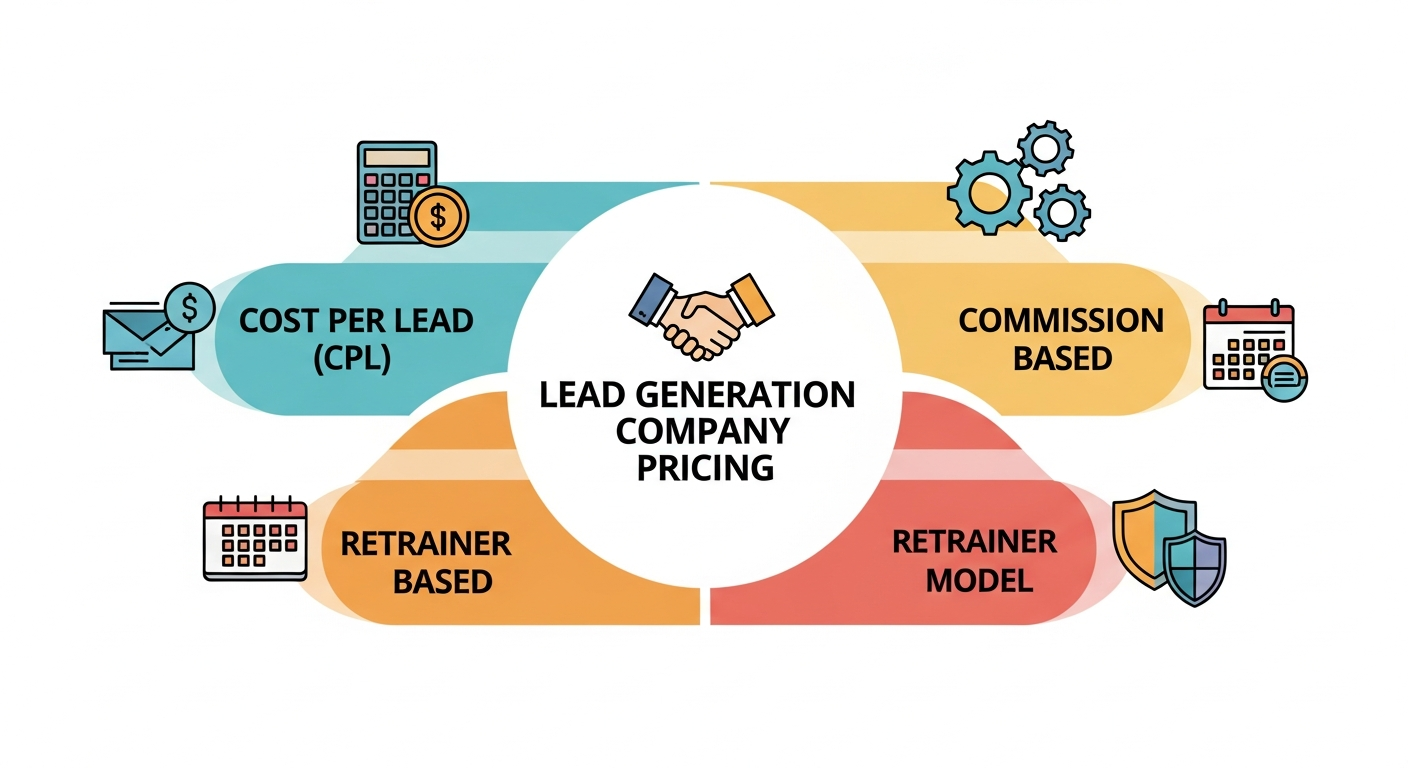
Lead generation company pricing depends on industry, lead quality, and pricing models such as pay-per-lead, retainers, or performance-based fees. Understanding hidden costs, ROI metrics, and scalability helps businesses choose the right provider. Smart pricing decisions turn lead generation into a long-term growth investment.
Choosing the right lead generation company can transform your sales pipeline, but understanding pricing structures often feels like navigating a maze. Most businesses discover that lead generation costs vary dramatically based on industry, lead quality, and service models.
How Lead Generation Companies Structure Their Pricing
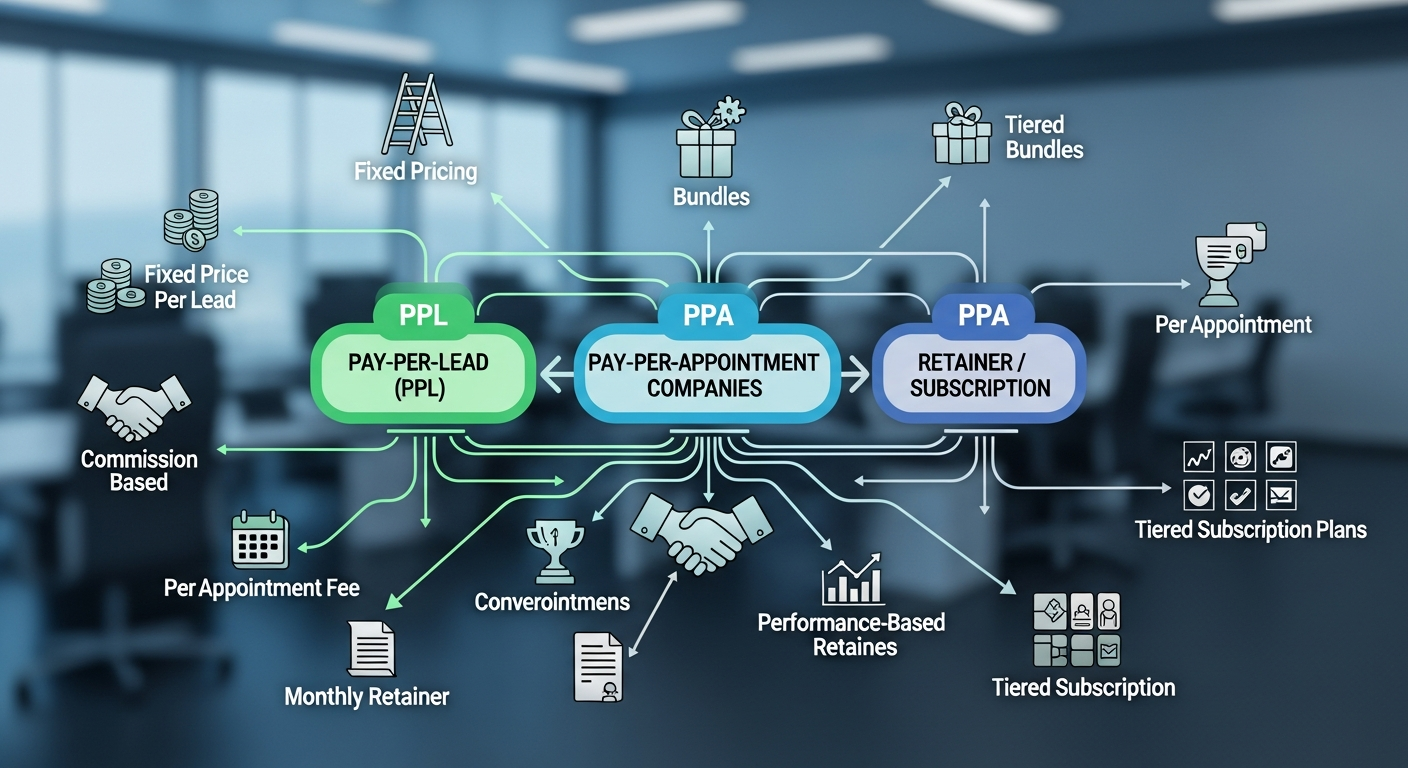
Lead generation companies use several distinct pricing models, each with unique advantages and considerations for your business.
Pay-Per-Lead Model
The pay-per-lead model charges you a fixed amount for each qualified lead delivered. This straightforward approach appeals to businesses wanting predictable costs and clear ROI tracking.
Typical pay-per-lead rates range from $50 to $500 per lead, depending on your industry and lead qualification criteria. B2B software leads often cost $200-400 each, while home services leads might range from $75-150.
The main advantage is cost predictability—you know exactly what each lead costs. However, lead quality can vary significantly between providers, making it essential to establish clear qualification standards upfront.
Monthly Retainer Pricing
Monthly retainer agreements involve paying a fixed fee for ongoing lead generation services. Retainers typically range from $2,000 to $15,000 per month, with most businesses paying between $3,000-8,000.
This model works well for companies needing consistent lead flow and comprehensive campaign management. You’ll often receive dedicated account management, regular reporting, and ongoing optimization included in the monthly fee.
The downside is less direct correlation between cost and results. Some months may yield fewer leads, while others exceed expectations, making ROI calculations more complex.
Performance-Based Pricing
Performance-based pricing ties compensation directly to results, such as appointments scheduled, demos completed, or actual sales closed. Companies might pay $100-300 per qualified appointment or 10-20% of closed deals.
This model aligns agency incentives with your business outcomes, reducing risk for businesses concerned about lead quality. However, performance-based agreements often require higher per-result payments and longer contract commitments.
Hybrid Pricing Models
Many lead generation companies now offer hybrid pricing, combining retainer fees with performance bonuses. You might pay a $5,000 monthly base fee plus $50 per additional lead beyond a guaranteed minimum.
Hybrid models balance predictable costs with performance incentives, often providing better value for growing businesses with fluctuating lead requirements.
Industry-Specific Pricing Breakdown
Lead generation costs vary significantly across industries due to factors like competition levels, average deal values, and target audience complexity.
B2B Technology and Software
Technology companies typically face higher lead generation costs due to complex sales cycles and sophisticated buyer personas. Expect to pay:
- Pay-per-lead: $150-500 per qualified lead
- Monthly retainers: $5,000-15,000
- Cost per appointment: $200-400
Enterprise software leads command premium prices, sometimes exceeding $1,000 per qualified opportunity due to high potential deal values and lengthy qualification processes.
Healthcare and Medical
Healthcare lead generation requires specialized compliance knowledge and careful targeting. Pricing typically includes:
- Medical device leads: $200-600 each
- Healthcare services: $100-300 per lead
- Pharmaceutical leads: $300-800 each
Regulatory requirements and strict qualification standards contribute to higher costs in healthcare sectors.
Financial Services
Financial services lead generation faces heavy regulation and intense competition. Common pricing ranges include:
- Insurance leads: $50-200 each
- Mortgage/lending leads: $100-400 each
- Investment services: $300-1,000 per qualified lead
Higher-value financial products justify premium pricing, while commodity services like basic insurance see more competitive rates.
Real Estate
Real estate lead generation pricing varies by property type and geographic market:
- Residential buyer leads: $25-100 each
- Commercial property leads: $200-500 each
- Property management leads: $75-200 each
Hot real estate markets typically see higher lead costs due to increased competition among agents and brokers.
Home Services and Contractors
Home services generally see more affordable lead generation costs:
- HVAC leads: $50-150 each
- Roofing leads: $100-300 each
- Plumbing/electrical: $75-200 each
Emergency services and high-ticket projects like roofing command higher prices, while routine maintenance services cost less per lead.
Additional Costs and Hidden Fees
Beyond base pricing, lead generation companies may charge additional fees that impact your total investment.
Setup and Onboarding Fees
Many companies charge $1,000-5,000 in setup fees covering campaign creation, landing page development, and initial optimization. Some waive setup fees for longer contract commitments or higher monthly spends.
Technology and Platform Fees
Advanced lead generation often requires specialized software and tools. Monthly platform fees of $200-1,000 might cover CRM integration, lead scoring systems, or proprietary targeting technology.
Creative and Content Development
Custom content creation, including landing pages, email sequences, and ad creative, typically costs $2,000-10,000 upfront. Some companies include basic creative in monthly retainers, while premium custom work requires additional investment.
Data and List Acquisition
High-quality prospect data isn’t free. Companies might charge $0.10-2.00 per contact for premium databases, or include data costs in overall pricing.
Reporting and Analytics
Advanced reporting beyond standard metrics might incur additional fees of $500-2,000 monthly, particularly for custom dashboards or detailed attribution analysis.
Factors That Influence Lead Generation Pricing
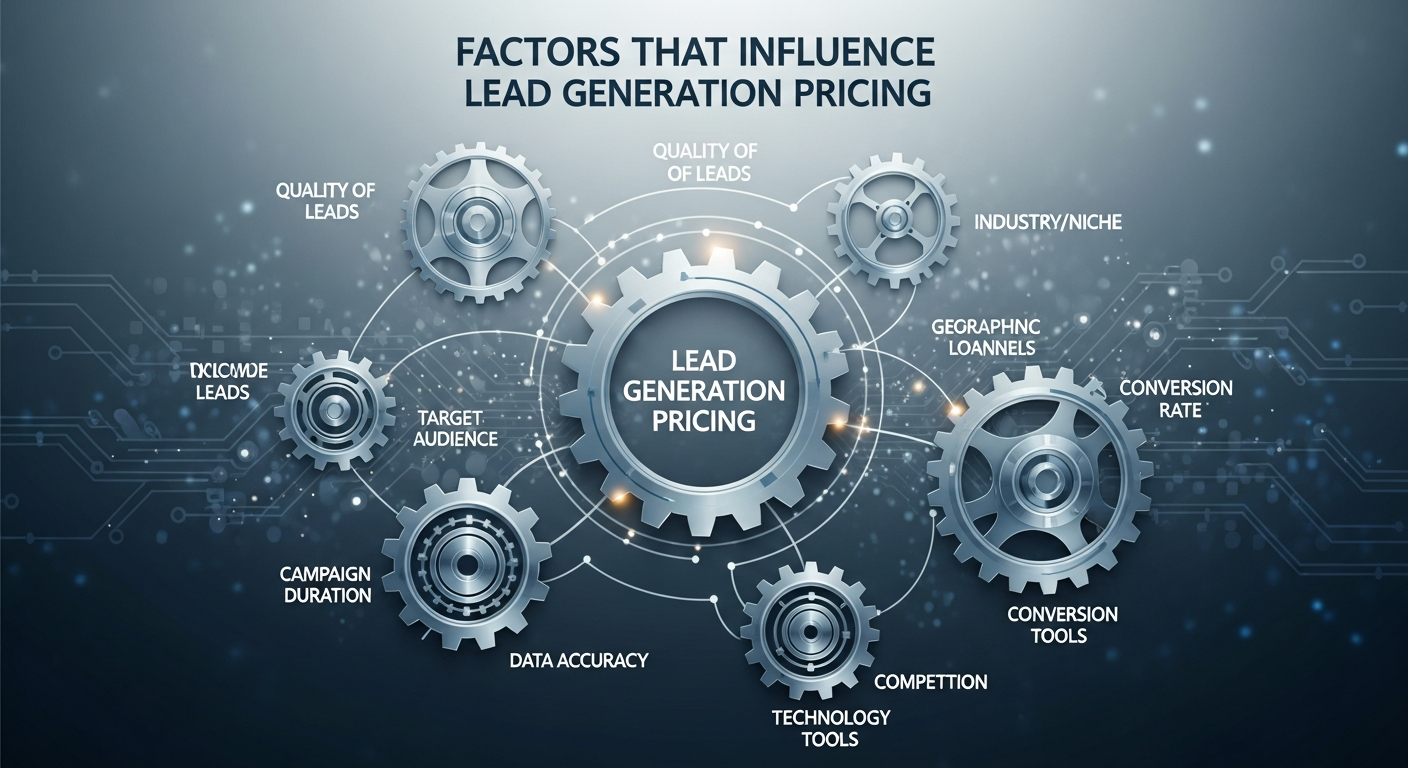
Understanding what drives lead generation costs helps you negotiate better deals and set realistic budget expectations.
Lead Quality Requirements
Higher qualification standards increase costs significantly. Basic contact information costs much less than leads requiring specific budget confirmation, timeline verification, and decision-maker identification.
Warm leads that have shown genuine interest cost 2-3 times more than cold prospects, but typically convert at much higher rates.
Target Audience Complexity
Broad audiences cost less to reach than highly specific niches. Targeting “small business owners” is cheaper than “manufacturing companies with 50-200 employees using specific ERP systems.”
Geographic targeting also impacts costs. Major metropolitan areas typically cost more due to competition, while rural or less competitive markets offer better value.
Industry Competition
Highly competitive industries see premium pricing due to increased advertising costs and audience saturation. Legal services, insurance, and financial sectors typically pay the highest rates.
Campaign Complexity
Simple email campaigns cost less than multi-channel approaches incorporating social media, content marketing, paid advertising, and phone outreach. Complex campaigns requiring multiple touchpoints increase monthly retainers and per-lead costs.
Contract Terms and Volume
Longer contract commitments often secure better pricing, with 12-month agreements typically offering 10-20% discounts compared to month-to-month arrangements.
Higher lead volumes also unlock better rates. Companies needing 200+ leads monthly usually negotiate significantly better per-lead pricing than those requiring 20-50 leads.
Evaluating Lead Generation ROI
Determining whether lead generation pricing provides good value requires careful analysis beyond simple cost-per-lead metrics.
Calculate True Cost Per Acquisition
Look beyond initial lead costs to understand total customer acquisition expense. If you pay $200 per lead and close 10% of leads into $5,000 customers, your true acquisition cost is $2,000 per customer.
Factor in internal sales costs, nurturing expenses, and time investment to get accurate ROI calculations.
Quality vs. Quantity Analysis
Cheaper leads aren’t always better value. Compare conversion rates, deal sizes, and customer lifetime value between different pricing tiers and providers.
A $300 lead that closes 20% of the time provides better ROI than $100 leads with 3% close rates, assuming similar deal values.
Consider Long-Term Value
Evaluate customer lifetime value and repeat business potential. Higher upfront lead costs might be justified if customers provide ongoing revenue through renewals, upgrades, or referrals.
Track Multiple Metrics
Monitor various performance indicators, including:
- Lead-to-opportunity conversion rate
- Opportunity-to-customer conversion rate
- Average deal size
- Sales cycle length
- Customer lifetime value
This comprehensive view helps identify the most cost-effective lead sources and pricing models.
How to Choose the Right Pricing Model
Selecting the optimal pricing structure depends on your business situation, risk tolerance, and growth stage.
For Startups and Small Businesses
Cash-constrained startups often benefit from pay-per-lead models, providing cost control and direct correlation between spending and results. However, ensure you have sufficient budget for meaningful lead volumes.
Performance-based pricing can work well for startups if you have strong sales processes and can afford higher per-result costs in exchange for reduced upfront risk.
For Growing Mid-Market Companies
Monthly retainers typically provide the best value for companies ready to invest in consistent lead generation. Predictable costs help with budgeting, while dedicated resources often improve campaign quality.
Hybrid models combining retainers with performance incentives can optimize both cost predictability and results quality.
For Enterprise Organizations
Large enterprises usually require comprehensive programs justifying higher monthly investments. Custom solutions, dedicated teams, and advanced reporting typically require $10,000+ monthly commitments.
Enterprise clients often negotiate volume discounts and performance guarantees based on substantial monthly spends.
Red Flags and Pricing Pitfalls to Avoid

Certain pricing practices should raise concerns about lead generation company legitimacy and effectiveness.
Unrealistically Low Prices
Companies offering leads for $10-25 each across competitive industries likely provide low-quality prospects or use questionable acquisition methods. Quality lead generation requires significant investment in targeting, content, and qualification.
No Minimum Quality Standards
Providers unwilling to define lead qualification criteria or guarantee minimum standards often deliver poor results. Establish clear expectations around lead quality before signing agreements.
Hidden Fee Structures
Companies that aren’t transparent about all potential costs may surprise you with unexpected charges. Demand detailed pricing breakdowns including all possible fees before committing.
No Performance Guarantees
Reputable lead generation companies should offer some form of performance guarantee or replacement policy for unqualified leads. Avoid providers unwilling to stand behind their work.
Pressure for Long-Term Contracts
While longer commitments can secure better pricing, companies pressuring immediate long-term agreements without trial periods may lack confidence in their results.
Making Your Investment Count
Lead generation company pricing represents a significant business investment that requires careful evaluation and ongoing management. The most expensive option isn’t always the best, just as the cheapest rarely delivers optimal results.
Focus on finding providers whose pricing models align with your business goals, risk tolerance, and growth stage. Establish clear quality standards and performance metrics upfront, and don’t hesitate to negotiate terms that work for your specific situation.
Remember that successful lead generation partnerships often evolve over time. Start with shorter commitments to test performance, then negotiate better long-term rates once you’ve proven the relationship works. The right pricing structure should feel like an investment in growth, not just another expense.
Conclusion
Lead generation company pricing varies widely based on industry, quality, and service model. Understanding pricing structures, hidden costs, and ROI metrics helps businesses choose the right partner. The best pricing model aligns with your growth stage, sales capacity, and risk tolerance. Strategic investment—not the lowest price—delivers sustainable pipeline growth.
Frequently Asked Questions (FAQ)
1. How much does a lead generation company usually charge?
Lead generation companies typically charge between $50 and $500 per lead, or $2,000 to $15,000 per month depending on the industry, lead quality, and service scope.
2. What is the cheapest pricing model?
The pay-per-lead model is usually the most affordable upfront option, as businesses only pay for leads delivered rather than ongoing services.
3. Are expensive leads always better?
Not always. However, higher-priced leads often come with better qualification, intent, and conversion potential, which can result in stronger ROI.
4. Can pricing be negotiated?
Yes. Pricing is often negotiable, especially for long-term contracts, high lead volumes, or bundled services.
5. Do lead generation companies guarantee results?
Some companies offer lead replacement, minimum lead volume, or quality guarantees, but full sales guarantees are rare.
6. Is performance-based pricing risk-free?
Performance-based pricing lowers upfront risk, but it usually comes with higher per-result costs and stricter contract terms.
7. What industries have the highest lead costs?
Industries such as legal services, financial services, healthcare, and enterprise SaaS typically have the highest lead generation costs.
8. Are setup fees normal?
Yes. Setup fees are common, especially for custom campaigns, landing page creation, and advanced targeting setups.
9. How long before results appear?
Inbound campaigns usually take 2–3 months, while outbound campaigns can start producing results within 2–4 weeks.
10. Are shared leads worth it?
Shared leads cost less but are sold to multiple businesses, which often results in lower conversion rates compared to exclusive leads.
11. Can small businesses afford lead generation services?
Yes. Small businesses can use pay-per-lead or hybrid pricing models with careful budget planning to manage costs effectively.
12. How do I measure pricing ROI?
Measure ROI by tracking cost per acquisition (CPA), lead-to-sale conversion rates, and customer lifetime value (LTV).



Leave a Reply