


Lead generation is the foundation of business growth, converting interested prospects into loyal customers through strategic content, nurturing, and engagement. Effective systems create predictable revenue, lower acquisition costs, and long-term scalability. By understanding customer behavior, leveraging multiple channels, and building relationships from day one, companies gain a competitive advantage, optimize decision-making, and ensure sustainable growth in increasingly crowded markets.
Every successful business shares one fundamental truth: without a steady stream of potential customers, growth becomes impossible. Lead generation serves as the bridge between your product or service and the people who need it most.
Think of lead generation as planting seeds for future harvests. Each lead represents a potential customer who has shown interest in what you offer. The more quality seeds you plant today, the more robust your sales pipeline becomes tomorrow. Companies that prioritize lead generation consistently outperform those that rely solely on referrals or chance encounters.
What Is Lead Generation and Why Does It Matter?

Lead generation encompasses all marketing activities designed to attract and capture potential customers’ interest in your products or services. A lead is someone who has expressed interest through actions like downloading a guide, signing up for a newsletter, or requesting a demo.
The process transforms strangers into prospects by offering value in exchange for contact information. This creates opportunities for nurturing relationships until prospects are ready to make purchasing decisions.
The Lead Generation Ecosystem
Modern lead generation operates across multiple channels:
- Content marketing that addresses customer pain points
- Social media engagement that builds brand awareness
- Email campaigns that nurture relationships over time
- Paid advertising that targets specific demographics
- Search engine optimization that captures organic traffic
Each channel serves a different purpose in the customer journey, from initial awareness to final conversion.
Revenue Growth Through Consistent Lead Flow
Converting Interest Into Income
When you generate quality leads consistently, your sales team spends less time prospecting and more time closing deals. This efficiency directly translates to increased revenue per salesperson and shorter sales cycles.
Research shows that companies excelling at lead nurturing generate 50% more sales-ready leads at 33% lower cost. This cost efficiency allows businesses to reinvest savings into further growth initiatives.
Building Predictable Sales Pipelines
Lead generation creates visibility into future revenue streams. Instead of wondering where next month’s customers will come from, businesses can track leads through defined stages and predict closing probabilities.
This predictability enables better resource allocation, inventory planning, and staffing decisions. Companies can confidently invest in growth knowing their pipeline supports expansion plans.
Long-Term Business Growth and Scalability
Creating Compounding Returns
Effective lead generation compounds over time. Content created today continues attracting leads months or years later. Email subscribers become long-term customers who make multiple purchases. Brand awareness built through consistent lead generation efforts creates word-of-mouth referrals.
This compounding effect means early investments in lead generation pay dividends far beyond initial campaigns. Companies that start early and stay consistent build significant competitive advantages.
Market Expansion Opportunities
Strong lead generation capabilities enable businesses to enter new markets confidently. The same systems that generate leads in existing markets can be adapted for new geographic regions, customer segments, or product lines.
This flexibility supports aggressive growth strategies while minimizing risks. Companies can test new markets with controlled investments before committing significant resources.
Competitive Advantage in Crowded Markets
Lead generation helps businesses stand out in saturated markets by consistently putting their message in front of potential customers.
Mind Share and Market Position
Regular lead generation activities keep your brand visible when prospects are ready to buy. This consistent presence builds trust and positions your company as an industry leader.
Companies that generate leads consistently stay top-of-mind with potential customers, even during long consideration periods. When buying decisions arise, these businesses are already part of the conversation.
Customer Acquisition Cost Optimization
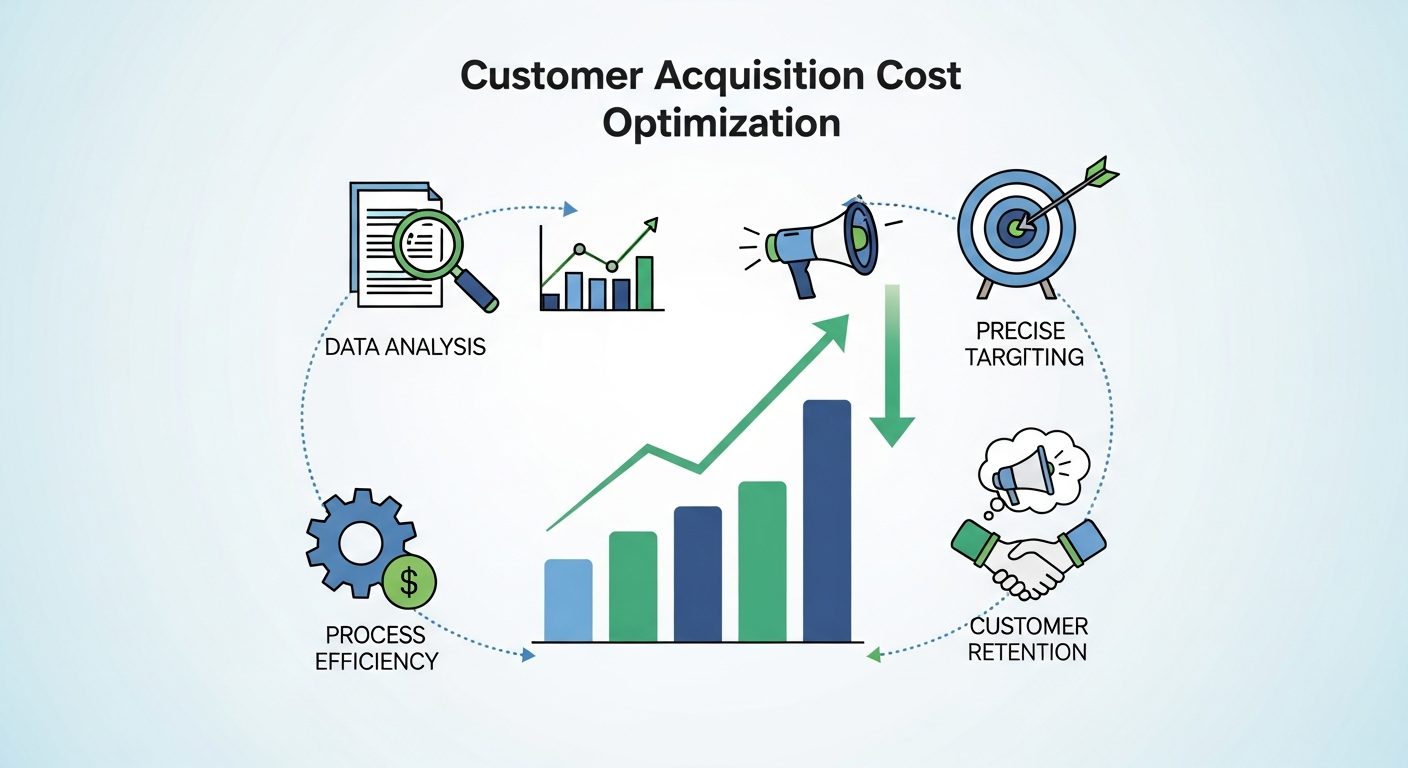
Systematic lead generation allows businesses to optimize customer acquisition costs across different channels. By tracking which sources generate the highest-quality leads at the lowest cost, companies can allocate marketing budgets more effectively.
This optimization creates cost advantages over competitors who rely on expensive, last-minute acquisition tactics. Lower acquisition costs mean higher profit margins and more resources available for growth investments.
Data-Driven Decision Making
Lead generation provides valuable data about market demand, customer preferences, and campaign effectiveness. This information guides strategic business decisions beyond marketing. By tracking how prospects interact with content, products, and campaigns, businesses can uncover insights about buying behaviors, popular features, and unmet needs. These insights inform decisions on product development, pricing, expansion, and overall strategy, ensuring that the company aligns its offerings with actual market demand and customer expectations for sustainable growth.
Understanding Market Demand
Lead generation metrics reveal which products or services generate the most interest. This insight guides product development, pricing strategies, and resource allocation decisions.
Companies can identify emerging trends by monitoring lead generation patterns across different offerings. Early identification of growing demand segments creates first-mover advantages.
Customer Behavior Insights
Lead generation processes capture detailed information about customer preferences, pain points, and decision-making factors. This data improves product development, customer service, and sales approaches.
Understanding how leads interact with different content types, channels, and messages helps businesses refine their value propositions and communication strategies.
Building Customer Relationships from Day One
Lead generation initiates relationships with potential customers long before sales conversations begin. This head start creates stronger connections and higher conversion rates.
Trust Building Through Value Delivery
Effective lead generation provides value upfront through educational content, free resources, or useful tools. This value-first approach builds trust and positions your business as a helpful partner rather than just another vendor.
Prospects who receive value before being asked to buy develop stronger emotional connections to your brand. These connections influence purchasing decisions and create customer loyalty.
Nurturing Long Sales Cycles
Many industries have extended sales cycles where prospects research options for months before making decisions. Lead generation enables businesses to maintain relationships throughout these long cycles. Regular communication through email sequences, valuable content, and personalized outreach keeps your solution top-of-mind. When prospects are ready to buy, you’ve already built the relationship foundation needed for successful sales conversations.
Crafting Effective Lead Magnets
Lead magnets are valuable resources offered in exchange for contact information. Examples include ebooks, templates, webinars, and free trials. Effective lead magnets address specific customer pain points and provide immediate value, positioning your business as a helpful partner. High-quality magnets attract more engaged prospects, increase conversion rates, and build trust from the first interaction. Regularly updating lead magnets keeps content relevant and improves performance over time.
Optimizing Landing Pages for Conversions
A landing page’s primary purpose is to convert visitors into leads. Clear headlines, persuasive copy, and visually appealing layouts enhance conversion rates. Including a single, compelling call-to-action and minimal distractions improves focus. Forms should balance essential data collection with ease of completion. A/B testing different layouts, copy, and CTA placements provides actionable insights. Optimized landing pages ensure that your lead magnets reach the maximum audience effectively.
Implementing Multi-Channel Lead Generation
Successful lead generation leverages multiple channels simultaneously. SEO attracts organic traffic, social media builds awareness, email nurtures leads, and paid ads target specific audiences. Each channel contributes to the overall pipeline, addressing different stages of the customer journey. Coordinating campaigns across channels ensures consistent messaging and maximizes reach. Multi-channel strategies improve lead quality, enhance engagement, and create a cohesive brand presence that strengthens trust and conversion potential.
Lead Scoring and Qualification
Not all leads are equally ready to buy. Lead scoring assigns values based on demographics, behaviors, and engagement. Qualified leads are prioritized for personalized sales follow-up, increasing conversion rates and sales efficiency. Scoring helps marketing and sales teams align, improving communication and resource allocation. Over time, refining scoring criteria ensures that efforts focus on high-potential prospects, reduces wasted time, and maximizes ROI.
Nurturing Leads Through Email Campaigns
Email campaigns are central to lead nurturing. Automated sequences deliver targeted content based on interests, behavior, and stage in the buying journey. Valuable content, personalized messaging, and consistent follow-ups build trust and engagement over time. Nurturing campaigns help maintain top-of-mind presence during long sales cycles, improve conversion rates, and strengthen brand loyalty. Measuring open rates, click-throughs, and engagement ensures continuous optimization.
Leveraging Analytics for Continuous Improvement
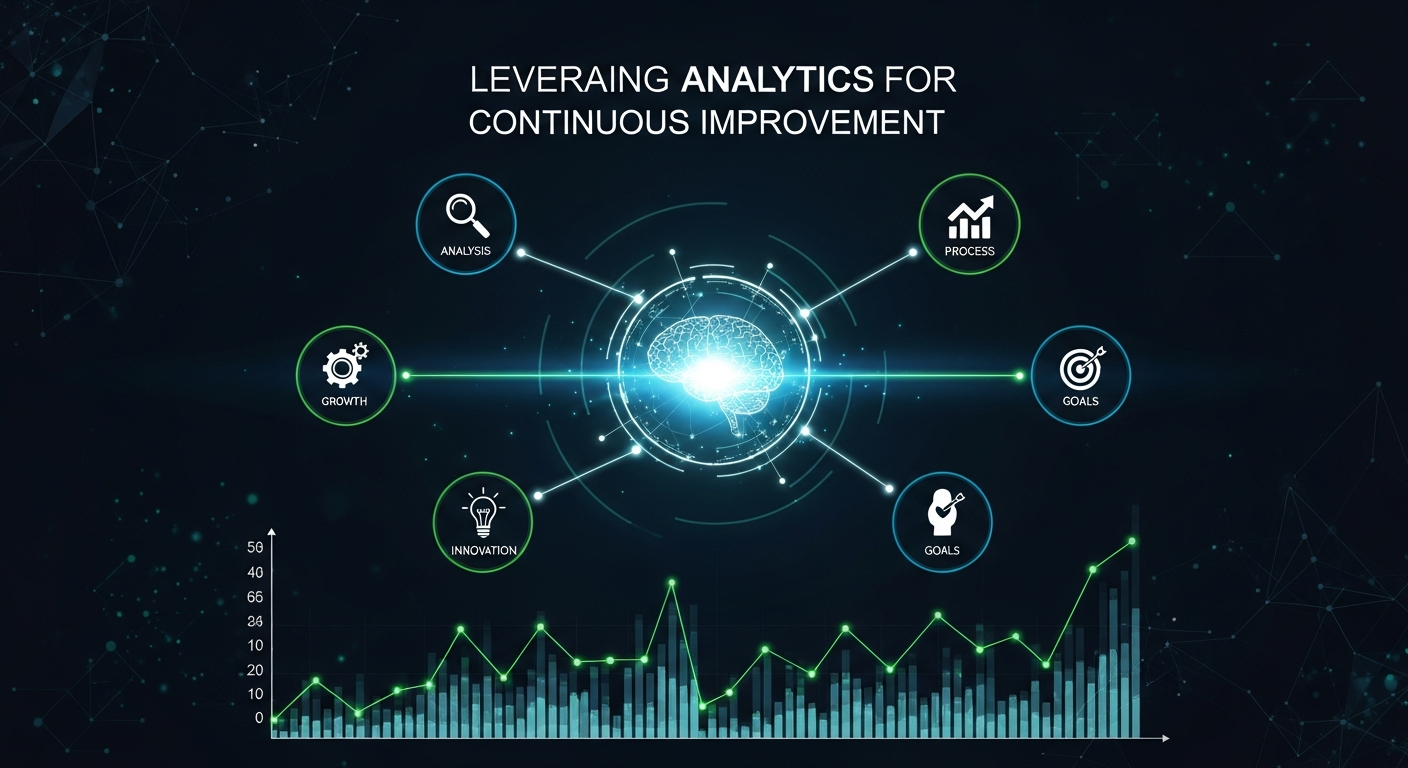
Data-driven lead generation is essential for sustainable growth. Analytics reveal which channels, campaigns, and content perform best, providing insights into customer preferences and market demand. Continuous monitoring allows businesses to optimize strategies, reallocate resources, and improve targeting. By analyzing patterns and trends, companies can refine messaging, enhance lead quality, and predict sales outcomes. Analytics transform lead generation from guesswork into a precise, scalable growth engine.
Starting Your Lead Generation Journey
Effective lead generation requires strategic planning and consistent execution. Begin by identifying your ideal customer profiles and understanding their information needs.
Create valuable content that addresses specific customer pain points. Develop landing pages and forms that capture lead information in exchange for this value. Implement email sequences that nurture leads through the buying process.
Most importantly, measure and optimize your efforts continuously. Track which channels generate the highest-quality leads and double down on successful strategies while eliminating underperforming activities.
Lead generation isn’t just a marketing tactic—it’s a business growth strategy that creates sustainable competitive advantages. Companies that master lead generation build predictable revenue streams, stronger customer relationships, and the foundation for long-term success.
Conclusion
Lead generation is more than a marketing tactic—it’s a strategic growth engine. By systematically attracting, nurturing, and converting prospects, businesses create predictable revenue streams, optimize acquisition costs, and build lasting customer relationships. Companies that invest in consistent lead generation establish scalable processes, gain valuable market insights, and position themselves as trusted industry leaders. Over time, these efforts compound, delivering both immediate results and long-term competitive advantages.
Frequently Asked Questions (FAQ)
-
What is lead generation?
Lead generation is the process of attracting and capturing potential customers’ interest in your products or services through actions like downloads, sign-ups, or demo requests. -
Why is lead generation important?
It creates a steady stream of prospects, builds relationships, and ensures predictable revenue, making business growth sustainable and scalable. -
Which channels are best for lead generation?
Content marketing, SEO, social media, paid advertising, and email campaigns all work together to capture leads at different stages of the customer journey. -
How can I measure lead generation success?
Track metrics such as lead quality, conversion rates, cost per lead, engagement levels, and ROI to assess performance and optimize campaigns. -
Can small businesses benefit from lead generation?
Absolutely. Even minimal campaigns, such as blog posts, lead magnets, and email sequences, can generate high-quality leads and grow revenue. -
How long does it take to see results?
Results vary, but consistent execution typically shows measurable outcomes within months, with compounding benefits over time. -
What makes a lead “high-quality”?
High-quality leads match your ideal customer profile, show genuine interest, and are more likely to convert into paying customers. -
Is lead nurturing necessary?
Yes. Nurturing strengthens relationships, builds trust, and guides prospects through long sales cycles, increasing the likelihood of conversion. -
How can lead generation reduce customer acquisition costs?
By identifying effective channels and focusing on quality leads, businesses spend less on acquiring each customer while increasing ROI. -
Can lead generation help enter new markets?
Yes. Scalable lead generation systems can be adapted for new geographies, segments, or products, supporting strategic expansion. -
How does lead generation improve decision-making?
Lead data provides insights into market demand, customer behavior, and campaign effectiveness, guiding strategic, data-driven business decisions.



Leave a Reply