


Lead generation drives business growth by attracting, nurturing, and converting potential customers. Through content, SEO, email, social media, and automation, businesses can build trust and generate qualified leads consistently. Success requires strategic execution, continuous optimization, and a strong focus on customer value rather than aggressive selling.
Every business faces the same challenge: finding new customers. You’ve built a great product or service, but without a steady stream of potential buyers discovering what you offer, growth stagnates. Lead generation isn’t just about casting a wide net and hoping for the best—it requires strategic thinking, the right tools, and consistent execution.
Whether you’re a startup looking to gain traction or an established company aiming to expand your customer base, understanding how to generate more leads effectively can transform your business. The good news? You don’t need a massive marketing budget to see results. Many of the most successful lead generation techniques rely more on creativity and persistence than deep pockets.
Create Compelling Lead Magnets
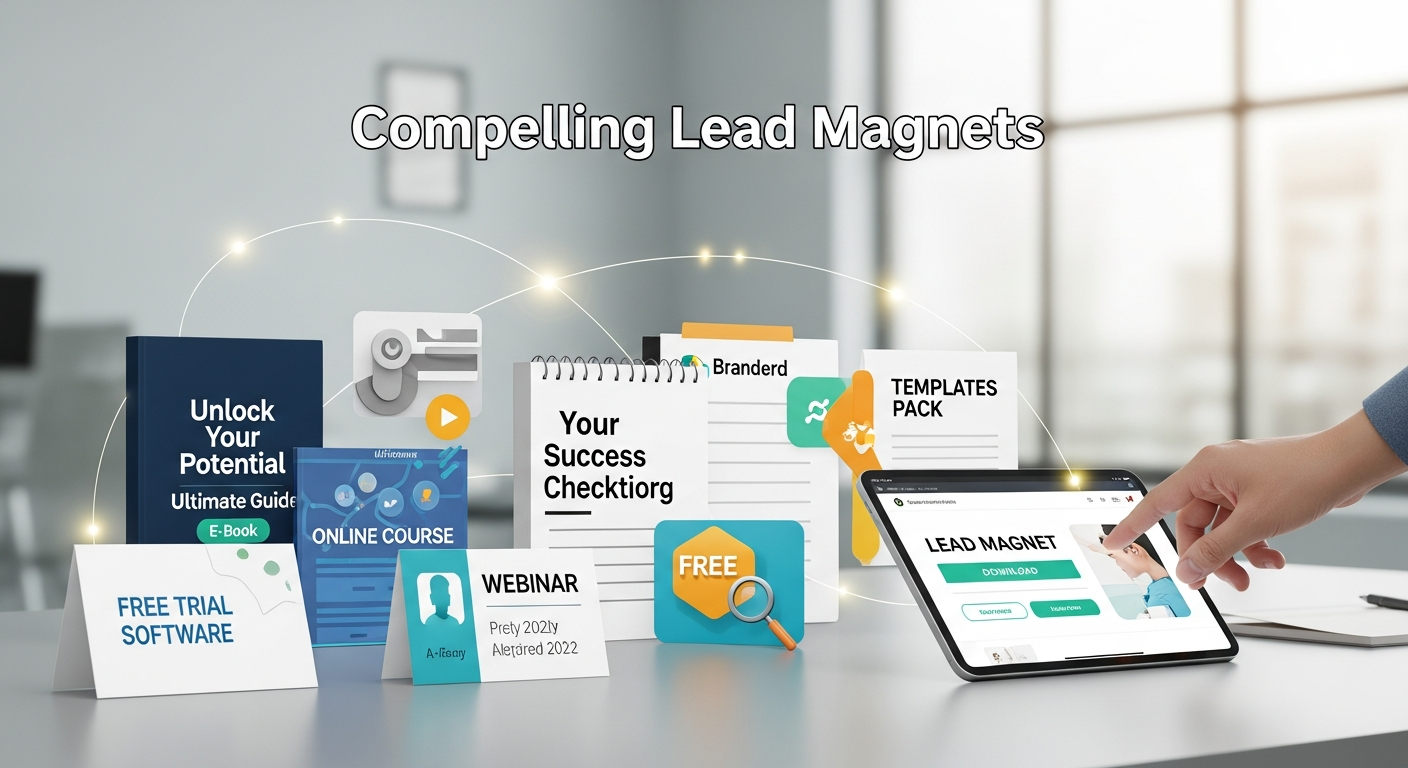
Lead magnets are valuable resources you offer in exchange for contact information. They work because they provide immediate value while allowing you to nurture prospects over time.
The most effective lead magnets solve specific problems your target audience faces. Consider creating:
Free guides and ebooks that address common pain points in your industry. A marketing agency might offer “The Complete Guide to Social Media ROI,” while a fitness trainer could create “7-Day Meal Planning Made Simple.”
Templates and checklists save people time and effort. These practical tools often have high conversion rates because they provide immediate utility. Think project management templates, budget calculators, or compliance checklists.
Exclusive webinars allow you to demonstrate expertise while building relationships. The live format creates urgency and enables real-time interaction with prospects.
Place your lead magnets strategically throughout your website—in blog posts, on your homepage, and as exit-intent popups. Make sure the value proposition is clear and the signup process is frictionless.
Optimize Your Website for Lead Generation
Your website should work as a 24/7 lead generation machine. Every page presents an opportunity to capture visitor information and move them closer to a purchase decision.
Start with your homepage. Visitors should immediately understand what you do and how you can help them. Include a clear value proposition, compelling headlines, and obvious calls-to-action (CTAs) above the fold.
Create dedicated landing pages for each of your lead magnets and campaigns. These focused pages eliminate distractions and guide visitors toward one specific action. Use A/B testing to optimize headlines, copy, and form placement.
Implement live chat functionality to capture leads who have questions but aren’t ready to fill out a form. Many visitors prefer this immediate interaction over traditional contact forms.
Don’t forget about mobile optimization. With over half of web traffic coming from mobile devices, your lead generation forms must work seamlessly on smartphones and tablets.
Leverage Content Marketing
Content marketing remains one of the most cost-effective ways to generate leads. By creating valuable, relevant content, you attract potential customers who are actively searching for solutions you provide.
Blog posts targeting long-tail keywords can drive organic traffic for years. Focus on topics your ideal customers search for, and always include relevant CTAs within your posts.
Video content often generates higher engagement rates than text alone. Create how-to videos, customer testimonials, or behind-the-scenes content that showcases your expertise.
Case studies provide social proof while demonstrating real-world results. They’re particularly effective for B2B companies with longer sales cycles.
Infographics make complex information digestible and shareable. They’re excellent for generating backlinks and social media engagement.
Remember to repurpose content across multiple channels. Turn a comprehensive blog post into a video, infographic, podcast episode, and social media series to maximize its reach.
Harness the Power of Social Media
Social media platforms offer unprecedented access to your target audience. The key is choosing the right platforms and engaging authentically with your community.
LinkedIn excels for B2B lead generation. Share industry insights, participate in relevant groups, and use LinkedIn’s advanced targeting options for paid campaigns.
Facebook and Instagram work well for B2C businesses. Use these platforms to showcase your brand personality, share customer stories, and run targeted advertising campaigns.
Twitter can be valuable for real-time engagement and customer service. Monitor industry hashtags and join relevant conversations to increase visibility.
Create platform-specific content rather than posting identical messages everywhere. Each platform has its own culture and optimal content formats.
Engage genuinely with your audience by responding to comments, sharing others’ content, and participating in industry discussions. Social selling works best when it feels natural and helpful rather than pushy.
Implement Email Marketing Campaigns

Email marketing consistently delivers one of the highest returns on investment among digital marketing channels. The key is building targeted lists and sending relevant, valuable content.
Welcome sequences nurture new subscribers by introducing your brand, sharing your best content, and gradually moving them toward a purchase decision.
Newsletter campaigns keep your brand top-of-mind by sharing industry news, company updates, and helpful resources on a regular schedule.
Automated drip campaigns can nurture leads based on their behavior and interests. Someone who downloads a pricing guide might receive different emails than someone who attends a webinar.
Segment your email lists based on demographics, behavior, and preferences to increase relevance and engagement rates. Personalized emails generate significantly higher open and click-through rates than generic broadcasts.
Optimize for Search Engines
Search engine optimization (SEO) drives qualified traffic to your website by helping you rank for terms your potential customers are searching for.
Keyword research forms the foundation of effective SEO. Use tools like Google Keyword Planner or SEMrush to identify terms with good search volume and manageable competition.
On-page optimization includes optimizing title tags, meta descriptions, headers, and content for your target keywords. Focus on creating comprehensive, helpful content that thoroughly answers user questions.
Local SEO is crucial for businesses serving specific geographic areas. Claim your Google My Business listing, gather customer reviews, and ensure your business information is consistent across online directories.
Link building helps establish authority and improve rankings. Create valuable content that others want to link to, guest post on relevant websites, and build relationships with industry influencers.
Use Paid Advertising Strategically
Paid advertising can generate leads quickly, but success requires careful targeting and optimization.
Google Ads put your business in front of people actively searching for your products or services. Start with exact-match keywords and gradually expand based on performance data.
Social media advertising allows precise demographic and interest-based targeting. Facebook and LinkedIn ads can be particularly effective for lead generation campaigns.
Retargeting campaigns re-engage visitors who didn’t convert on their first visit. These campaigns often have higher conversion rates because they target warm prospects.
Start with small budgets and scale successful campaigns. Monitor key metrics like cost per lead and lifetime customer value to ensure profitability.
Network and Build Partnerships
Personal relationships remain crucial for business growth, especially in B2B industries.
Industry events provide opportunities to meet prospects face-to-face and build meaningful connections. Come prepared with clear value propositions and follow up promptly after events.
Strategic partnerships can provide access to new audiences. Consider collaborating with complementary businesses that serve similar customers but aren’t direct competitors.
Referral programs incentivize existing customers to recommend your business. Satisfied customers are often your best lead generation source.
Professional associations and chambers of commerce offer networking opportunities and credibility within your industry.
Leverage Customer Reviews and Testimonials
Social proof significantly influences purchase decisions. Potential customers trust peer recommendations more than advertising messages.
Online reviews on Google, Yelp, and industry-specific platforms build credibility and improve local search rankings. Actively request reviews from satisfied customers and respond professionally to all feedback.
Customer testimonials on your website provide specific examples of how you’ve helped others. Include photos, company names, and specific results when possible.
Case studies offer detailed stories of customer success, making them particularly valuable for complex or expensive purchases.
Video testimonials often feel more authentic than written reviews and can be repurposed across multiple marketing channels.
Offer Free Consultations or Trials
Removing barriers to entry can significantly increase lead generation for service-based businesses and software companies.
Free consultations allow prospects to experience your expertise without financial commitment. Use these sessions to understand their needs and demonstrate how you can help.
Free trials let potential customers experience your product’s value firsthand. Focus on helping users achieve quick wins during the trial period.
Freemium models provide ongoing value while encouraging upgrades to paid features. This approach works well for software and online services.
Make the signup process as simple as possible and provide excellent support during free trials to maximize conversion rates.
Implement Marketing Automation
Marketing automation helps you nurture leads efficiently by delivering the right message at the right time based on prospect behaviour.
Lead scoring systems help prioritise your efforts by identifying prospects most likely to convert. Assign points based on actions like email opens, website visits, and content downloads.
Behavioural triggers automatically send relevant content based on user actions. Someone who visits your pricing page multiple times might receive a case study or special offer.
CRM integration ensures sales and marketing teams have access to the same lead information and can coordinate their efforts effectively.
Start with simple automation workflows and gradually add complexity as you gather data about what works best for your audience.
Track and Measure Your Results
Effective lead generation requires continuous measurement and optimization. Track key metrics to understand what’s working and where you can improve.
Conversion rates show how well your lead magnets and landing pages perform. Test different headlines, copy, and form designs to improve these rates.
Cost per lead helps you allocate budget across different channels and campaigns. Focus resources on the most cost-effective lead sources.
Lead quality metrics ensure you’re attracting prospects likely to become customers. Track how leads from different sources progress through your sales funnel.
Customer lifetime value helps determine how much you can afford to spend acquiring new leads while maintaining profitability.
Use analytics tools like Google Analytics, CRM reports, and marketing automation platforms to gather this data and make informed decisions about your lead generation strategy.
Start Building Your Lead Generation Engine Today

Learning how to generate more leads is an ongoing process that requires patience, persistence, and continuous optimization. The strategies outlined above work best when implemented systematically rather than all at once.
Start by auditing your current lead generation efforts to identify the biggest opportunities for improvement. Choose 2-3 tactics that align with your target audience and business model, then execute them consistently for at least 3-6 months before adding new strategies.
Remember that effective lead generation is about building relationships, not just capturing contact information. Focus on providing genuine value to your prospects, and the leads will follow naturally. With time and consistent effort, these proven strategies will help you build a sustainable pipeline of qualified prospects ready to become your next customers.
Conclusion
Lead generation is the foundation of sustainable business growth. By combining strategy, creativity, and data-driven optimization, businesses can attract qualified prospects consistently. The most successful companies focus on providing value, building trust, and nurturing relationships rather than chasing quick wins. With patience and persistence, lead generation becomes a powerful growth engine.
Frequently Asked Questions (FAQ)
1. What is lead generation?
Lead generation is the process of attracting potential customers and converting their interest into contact information, such as email addresses or phone numbers. It focuses on identifying people who may benefit from your product or service and starting a relationship that can be nurtured into a sale. Effective lead generation combines marketing, content, and data-driven strategies to build a consistent pipeline of prospects.
2. Are lead magnets effective?
Yes, lead magnets are highly effective when they address real problems or needs your audience cares about. Resources like guides, templates, webinars, or free tools create immediate value and motivate users to share their contact details. The more specific and useful the lead magnet, the higher the conversion rate and lead quality.
3. Which channels work best?
SEO, email marketing, content marketing, and social media consistently deliver strong lead generation results. The best channel depends on your audience and business model. Organic channels like SEO and content build long-term value, while email nurtures relationships. Social media adds reach and engagement when used strategically.
4. How long does lead generation take?
Lead generation is not instant. While paid campaigns can produce faster results, organic methods such as SEO and content typically take several months to gain momentum. Over time, however, these channels compound, delivering more consistent and cost-effective leads as trust and visibility grow.
5. Is paid advertising necessary?
Paid advertising is helpful but not mandatory. It can accelerate lead generation and support short-term goals, especially for launches or promotions. However, many businesses successfully generate leads through inbound strategies like blogging, email, referrals, and social engagement without relying heavily on ads.
6. How do I improve lead quality?
Improving lead quality requires better targeting, clearer messaging, and effective nurturing. Focus on attracting the right audience through relevant content and qualifying leads using forms, questions, and behavior tracking. Personalized follow-ups and segmented email campaigns also help turn interested prospects into sales-ready leads.
7. Can small businesses generate leads affordably?
Yes, small businesses can generate leads affordably using inbound marketing methods. Content creation, SEO, email marketing, and social engagement require more time than money. When executed consistently, these strategies deliver sustainable results without the high costs of traditional advertising.
8. How do I track lead performance?
Lead performance can be tracked using analytics tools, CRM systems, and marketing automation platforms. Key metrics include conversion rates, source attribution, lead quality, and sales outcomes. Tracking this data helps identify which channels and campaigns deliver the best ROI.
9. Is automation important?
Yes, automation is essential for scaling lead generation efficiently. It allows businesses to nurture leads with timely, personalized messages without manual effort. Automation tools support email sequences, lead scoring, follow-ups, and CRM updates, saving time while improving consistency and conversions.
10. Do reviews impact lead conversion?
Strongly. Reviews and testimonials act as social proof, increasing trust and credibility. Potential leads are far more likely to convert when they see positive experiences from real customers. Reviews also influence SEO, click-through rates, and purchasing decisions across digital channels.
11. Should sales be involved early?
Yes, early alignment between sales and marketing improves lead quality and conversion rates. Sales insights help refine targeting, messaging, and qualification criteria. When both teams collaborate, leads are nurtured more effectively and handoffs feel natural rather than forced.
12. Is lead generation ongoing?
Absolutely. Lead generation is not a one-time activity but an ongoing process. Markets change, customer needs evolve, and competition grows. Consistent effort, optimization, and experimentation are required to maintain a healthy pipeline and long-term business growth.



Leave a Reply